YouTube
Surma Sarobar Lake, Bajhang | Hidden Himalayan Paradise of Nepal
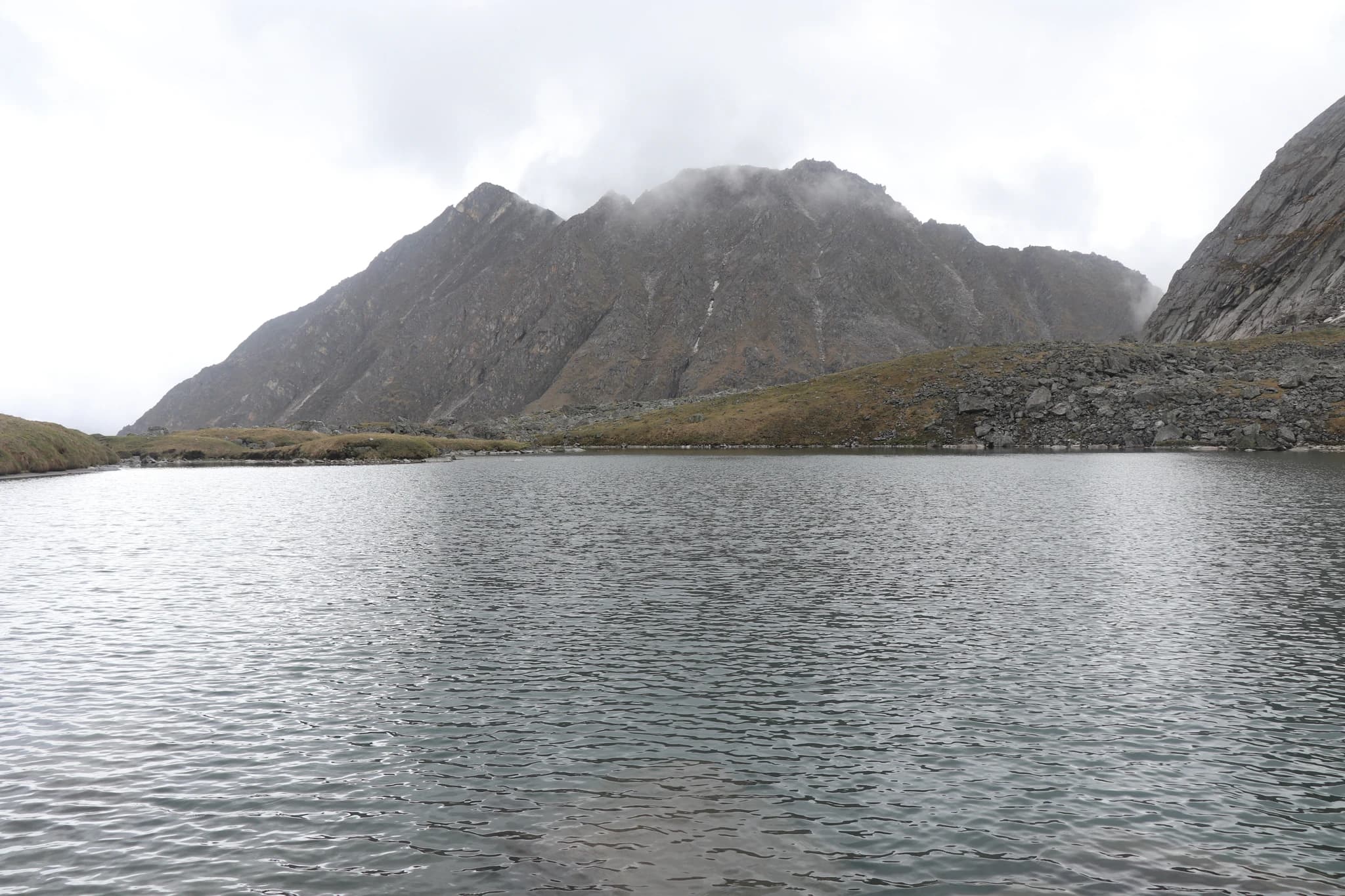
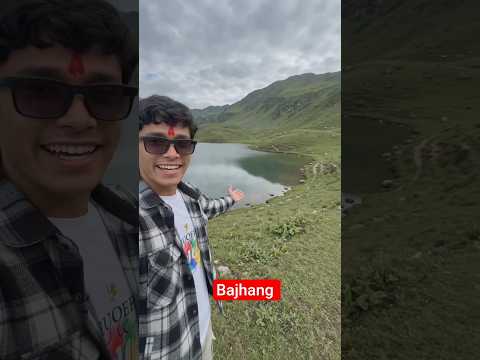
Surma Sarovar (सुर्मा सरोवर), revered across Far-Western Nepal as the Mini Kailash, is a pristine high-altitude glacial tarn situated at an elevation of 4,333 metres beneath the towering ice walls of the Gurans Himal in Surma Rural Municipality, Bajhang District. In regional Hindu cosmology, Surma Sarovar is revered as the divine abode of Goddess Surma Devi, a benevolent manifestation of Goddess Parvati. Local tradition holds that taking a sacred ablution in its crystal-clear emerald waters purifies devotees of lifetime sins and grants spiritual liberation. The lake is the epicenter of the legendary Birijat Mela, a biennial pilgrimage held during Janai Purnima (Bhadra Shukla Chaturdashi). Tens of thousands of devotees, ascetics, and shamanic mediums (Dhamis) from across Sudurpashchim and neighboring Uttarakhand undertake an arduous multi-day barefoot journey across high alpine ridges, glacial moraines, and scree passes without modern footwear, guided only by spiritual fortitude and traditional devotional hymns. Ceremonial copper pitchers containing holy waters from the lake are carried back down to ancestral village shrines to consecrate farmlands and livestock. Beyond its immense sacred value, Surma Sarovar is an exceptional alpine trekking wonderland. The approach leads through lush subtropical valleys, ancient deodar and rhododendron groves, before bursting onto high alpine meadows carpeted with rare Himalayan wildflowers and medicinal flora including yarsagumba (caterpillar fungus) and padmachal (Himalayan rhubarb). From the amphitheater surrounding the lake, trekkers enjoy breathtaking close-up vistas of glaciated horns and cascading icefalls, making it one of Nepal's most mesmerizing and spiritually charged wilderness journeys.
Surma Sarovar (सुर्मा सरोवर), revered across Far-Western Nepal as the Mini Kailash, is a pristine high-altitude glacial tarn situated at an elevation of 4,333 metres beneath the towering ice walls of the Gurans Himal in Surma Rural Municipality, Bajhang District. In regional Hindu cosmology, Surma Sarovar is revered as the divine abode of Goddess Surma Devi, a benevolent manifestation of Goddess Parvati. Local tradition holds that taking a sacred ablution in its crystal-clear emerald waters purifies devotees of lifetime sins and grants spiritual liberation. The lake is the epicenter of the legendary Birijat Mela, a biennial pilgrimage held during Janai Purnima (Bhadra Shukla Chaturdashi). Tens of thousands of devotees, ascetics, and shamanic mediums (Dhamis) from across Sudurpashchim and neighboring Uttarakhand undertake an arduous multi-day barefoot journey across high alpine ridges, glacial moraines, and scree passes without modern footwear, guided only by spiritual fortitude and traditional devotional hymns. Ceremonial copper pitchers containing holy waters from the lake are carried back down to ancestral village shrines to consecrate farmlands and livestock. Beyond its immense sacred value, Surma Sarovar is an exceptional alpine trekking wonderland. The approach leads through lush subtropical valleys, ancient deodar and rhododendron groves, before bursting onto high alpine meadows carpeted with rare Himalayan wildflowers and medicinal flora including yarsagumba (caterpillar fungus) and padmachal (Himalayan rhubarb). From the amphitheater surrounding the lake, trekkers enjoy breathtaking close-up vistas of glaciated horns and cascading icefalls, making it one of Nepal's most mesmerizing and spiritually charged wilderness journeys.
4 available
1 available
YouTube
Surma Sarobar Lake, Bajhang | Hidden Himalayan Paradise of Nepal
Discover More

Chainpur Bazaar (चैनपुर बजार) is the historic administrative capital, cultural heart, and commercial trading center of Bajhang District, situated in a scenic valley bowl at an elevation of 1,280 metres at the confluence of the Bauli Gad and the West Seti River in Jaya Prithvi Municipality. Surrounded by terraced hillsides and framed by high mountain ridges, Chainpur is characterized by its stone-paved lanes, traditional multi-story slate-roofed buildings, and warm Far-Western hospitality. Historically, Chainpur served as the principal political and commercial crossroads of the Kingdom of Bajhang. It is celebrated as the ancestral home and administrative seat of Raja Jaya Prithvi Bahadur Singh (1877–1940), Nepal's 16th National Hero (Rastriya Bibhuti), visionary humanist, philosopher, and early educational reformer who championed civil liberties, established pioneering schools, and authored early civic textbooks here. Nearby royal heritage landmarks include the historic Hattisar Durbar and Bhojpur royal precinct. As the central urban and transit hub of Bajhang, Chainpur functions as the premier staging point and gateway for trekking expeditions venturing into Khaptad National Park, Surma Sarovar, and Mount Saipal Base Camp. The town offers travelers an authentic blend of Far-Western urban life, riverside suspension bridge crossings, local food culture, and direct road connectivity along the Jaya Prithvi Highway.

Khaptad National Park is one of Nepal's most distinctive protected areas, spanning four districts (Bajhang, Bajura, Achham, and Doti) in the far-western hills of Sudurpashchim Province. Unlike most Himalayan parks, Khaptad's defining landscape is a series of undulating sub-alpine meadows (patans) at 3,000 to 3,500 metres -- broad, rolling grasslands fringed by dense cedar and rhododendron forests. The park covers 225 square kilometres and protects an ecosystem with leopards, black bears, deer, wolves, and over 270 bird species. The meadows support rare medicinal herbs and wildflowers historically collected by the hermit-sage Khaptad Swami, who lived within the park's boundaries for decades until his death in 1996. His ashram and sacred sites within the park remain important Hindu pilgrimage destinations. The Triveni -- a confluence of three small rivers within the park -- is the most sacred point and attracts large numbers of pilgrims, especially during the Shivaratri festival. Several small lakes (dahals) dot the plateau, and views extend to the Api and Saipal Himalayan peaks on clear days. Access requires flights to Dhangadhi or Dipayal followed by road and foot travel. The most-used trekking routes enter from the Sanfebagar side in Achham district. Best visited from May to October when the meadows are green; snow makes access difficult in winter. An NP entry permit is required.

Mount Saipal (साइपाल हिमाल), rising to an imposing summit elevation of 7,031 metres (23,068 feet), is the second-highest peak in Sudurpashchim Province and the defining geographical landmark of Far-Western Nepal. Anchoring the rugged Gurans Himal massif on the northern boundary of Bajhang District (Saipal Rural Municipality), this glaciated colossus forms the high watershed between Bajhang, Humla, and Bajura, its ice battlements visible from vantage points across thousands of square kilometers of Western Nepal. Known affectionately as the 'Guardian of the Far West', Saipal holds profound mythological and cultural significance. Local Khas and Bhotiya mountain communities revere the glaciated peak as the sacred throne of guardian deities and celestial spirits. First successfully summited in 1963 by an Austrian expedition led by Dr. Rudolf Jonas, Mount Saipal remains one of the most technically demanding and remote climbing objectives in the Great Himalayan Range, celebrated for its massive hanging glaciers, steep avalanche-prone couloirs, and sheer rock towers. For adventurous trekkers, the trek to Saipal Base Camp (approx. 4,200m) offers an unparalleled wilderness expedition through untouched Himalayan valleys. Following the northern course of the Seti River through Dhalaun and Yangadhar, the route passes through traditional Bhotiya settlements, ancient sheep pastoral encampments, and untouched birch forests before emerging into a raw glacial amphitheater. Here, travelers are greeted by immense lateral moraines, active ice calvings, and unbroken vistas of the Saipal icefield beneath crisp azure skies.

Aalital is the largest natural freshwater lake in Dadeldhura District, situated at an elevation of 800 metres in the verdant southern foothills of the Mahabharat range in Ward 3 of Aalital Rural Municipality. Spanning approximately 1,175 metres in length, 400 metres in width, and depths reaching up to 22 metres, the expansive natural water body is cradled within dense subtropical sal, pine, and mixed deciduous forests. Famed for its pristine natural serenity, avian biodiversity, and scenic reflections of the surrounding hills, Aalital has emerged as a premier eco-tourism destination equipped with community paddle boating facilities, lakeshore nature trails, a lakeside suspension bridge, a scenic viewing tower, and the revered local shrine of Sameji Devata on its forested banks.

Andha-Andhi Daha (अन्धा-अन्धी दह), also revered as Shravan Kumar Pokhari, is a sacred natural alpine lake and wetland situated in Aandhikhola Rural Municipality Ward 2 (Chilaunebas) of northern Syangja. Located at an altitude of approximately 1,750 meters in the verdant foothills south of the Panchase protected forest, this tranquil lake is deeply embedded in Hindu mythology as the legendary origin spring of the holy Aandhikhola river. According to the ancient Ramayana epic, when the dutiful son Shravan Kumar was mistakenly struck by King Dasharatha's hunting arrow while drawing water for his thirsty blind parents, the grief-stricken hermits cursed the king and wept inconsolably until their demise. Sacred folklore holds that the perennial springs of Andha-Andhi Daha were formed from the endless tears of the devoted blind parents, and that the waters flowing from the pond gave birth to the tears-river, the Aandhikhola. A dedicated shrine and memorial statue of Shravan Kumar carrying his elderly parents in woven baskets commemorate this immortal tale of filial devotion. The lake is enveloped by pristine rhododendron, oak, and pine woodlands rich in diverse birdlife, medicinal flora, and wild orchids. Its peaceful, reflective surface mirrors towering mossy trees and crisp blue skies, offering an atmosphere of serene contemplation. The site serves as a scenic eco-tourism and cultural retreat, accessible via hiking trails from Panchase or rural motorable roads connecting Aandhikhola with the Siddhartha Highway corridor.

Known as one of Siraha's peaceful natural lakes, Baba Taal is a serene destination surrounded by lush greenery and the tranquil landscapes of the eastern Terai. Revered by local communities, the lake is associated with spiritual beliefs and is named after a respected holy figure, giving it both cultural and religious significance. Its calm waters provide a refreshing escape for visitors seeking peace, while the surrounding trees and open spaces create an ideal setting for picnics, leisurely walks, and relaxation. The lake also supports a variety of local birds and aquatic life, making it an attractive spot for birdwatching and nature photography. Early mornings and evenings offer especially beautiful reflections on the water, with sunrise and sunset adding to the lake's scenic charm. Throughout the year, local visitors gather here for recreation, worship, and community celebrations, preserving the area's cultural importance. Whether you're looking to unwind in nature, capture stunning photographs, or experience one of Siraha's hidden gems, Baba Taal offers a calm and memorable retreat.