YouTube
Chainpur Farwest Bajhang
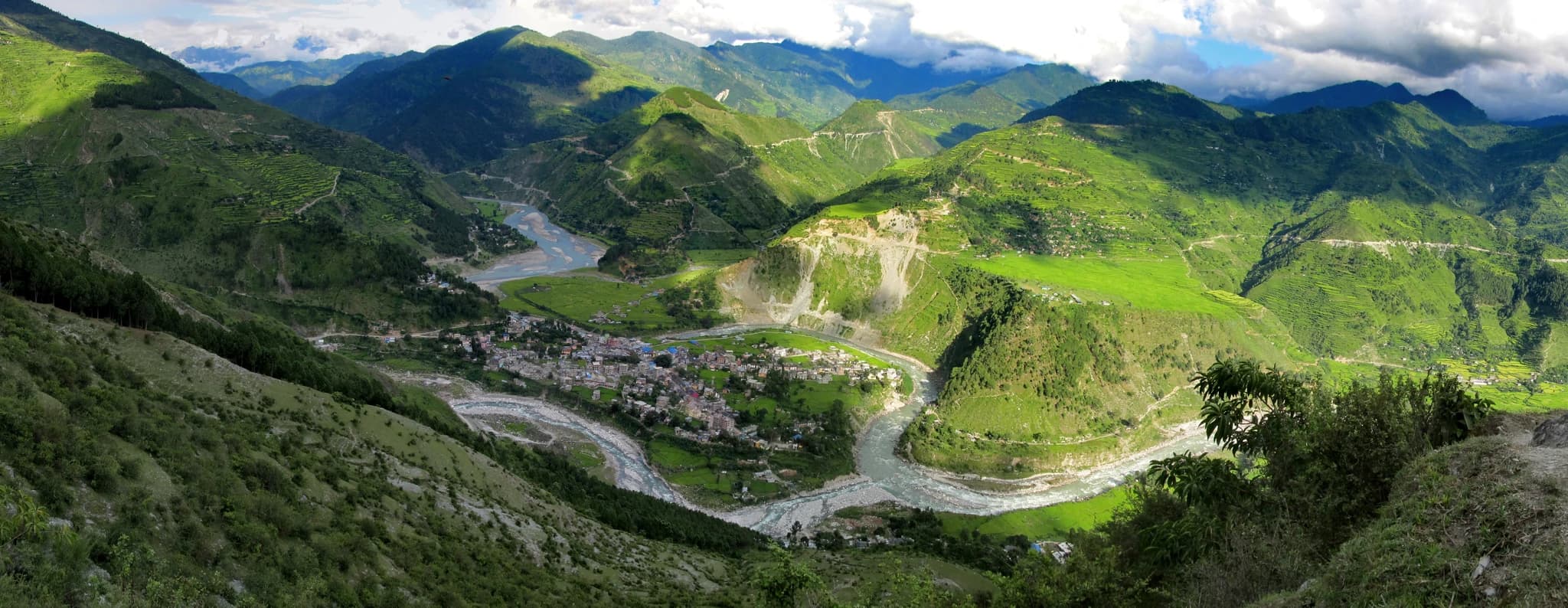
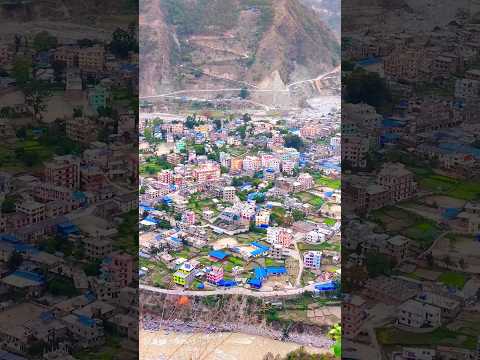
Chainpur Bazaar (चैनपुर बजार) is the historic administrative capital, cultural heart, and commercial trading center of Bajhang District, situated in a scenic valley bowl at an elevation of 1,280 metres at the confluence of the Bauli Gad and the West Seti River in Jaya Prithvi Municipality. Surrounded by terraced hillsides and framed by high mountain ridges, Chainpur is characterized by its stone-paved lanes, traditional multi-story slate-roofed buildings, and warm Far-Western hospitality. Historically, Chainpur served as the principal political and commercial crossroads of the Kingdom of Bajhang. It is celebrated as the ancestral home and administrative seat of Raja Jaya Prithvi Bahadur Singh (1877–1940), Nepal's 16th National Hero (Rastriya Bibhuti), visionary humanist, philosopher, and early educational reformer who championed civil liberties, established pioneering schools, and authored early civic textbooks here. Nearby royal heritage landmarks include the historic Hattisar Durbar and Bhojpur royal precinct. As the central urban and transit hub of Bajhang, Chainpur functions as the premier staging point and gateway for trekking expeditions venturing into Khaptad National Park, Surma Sarovar, and Mount Saipal Base Camp. The town offers travelers an authentic blend of Far-Western urban life, riverside suspension bridge crossings, local food culture, and direct road connectivity along the Jaya Prithvi Highway.
Chainpur Bazaar (चैनपुर बजार) is the historic administrative capital, cultural heart, and commercial trading center of Bajhang District, situated in a scenic valley bowl at an elevation of 1,280 metres at the confluence of the Bauli Gad and the West Seti River in Jaya Prithvi Municipality. Surrounded by terraced hillsides and framed by high mountain ridges, Chainpur is characterized by its stone-paved lanes, traditional multi-story slate-roofed buildings, and warm Far-Western hospitality. Historically, Chainpur served as the principal political and commercial crossroads of the Kingdom of Bajhang. It is celebrated as the ancestral home and administrative seat of Raja Jaya Prithvi Bahadur Singh (1877–1940), Nepal's 16th National Hero (Rastriya Bibhuti), visionary humanist, philosopher, and early educational reformer who championed civil liberties, established pioneering schools, and authored early civic textbooks here. Nearby royal heritage landmarks include the historic Hattisar Durbar and Bhojpur royal precinct. As the central urban and transit hub of Bajhang, Chainpur functions as the premier staging point and gateway for trekking expeditions venturing into Khaptad National Park, Surma Sarovar, and Mount Saipal Base Camp. The town offers travelers an authentic blend of Far-Western urban life, riverside suspension bridge crossings, local food culture, and direct road connectivity along the Jaya Prithvi Highway.
3 available
1 available
YouTube
Chainpur Farwest Bajhang
Discover More

Khaptad National Park is one of Nepal's most distinctive protected areas, spanning four districts (Bajhang, Bajura, Achham, and Doti) in the far-western hills of Sudurpashchim Province. Unlike most Himalayan parks, Khaptad's defining landscape is a series of undulating sub-alpine meadows (patans) at 3,000 to 3,500 metres -- broad, rolling grasslands fringed by dense cedar and rhododendron forests. The park covers 225 square kilometres and protects an ecosystem with leopards, black bears, deer, wolves, and over 270 bird species. The meadows support rare medicinal herbs and wildflowers historically collected by the hermit-sage Khaptad Swami, who lived within the park's boundaries for decades until his death in 1996. His ashram and sacred sites within the park remain important Hindu pilgrimage destinations. The Triveni -- a confluence of three small rivers within the park -- is the most sacred point and attracts large numbers of pilgrims, especially during the Shivaratri festival. Several small lakes (dahals) dot the plateau, and views extend to the Api and Saipal Himalayan peaks on clear days. Access requires flights to Dhangadhi or Dipayal followed by road and foot travel. The most-used trekking routes enter from the Sanfebagar side in Achham district. Best visited from May to October when the meadows are green; snow makes access difficult in winter. An NP entry permit is required.

Mount Saipal (साइपाल हिमाल), rising to an imposing summit elevation of 7,031 metres (23,068 feet), is the second-highest peak in Sudurpashchim Province and the defining geographical landmark of Far-Western Nepal. Anchoring the rugged Gurans Himal massif on the northern boundary of Bajhang District (Saipal Rural Municipality), this glaciated colossus forms the high watershed between Bajhang, Humla, and Bajura, its ice battlements visible from vantage points across thousands of square kilometers of Western Nepal. Known affectionately as the 'Guardian of the Far West', Saipal holds profound mythological and cultural significance. Local Khas and Bhotiya mountain communities revere the glaciated peak as the sacred throne of guardian deities and celestial spirits. First successfully summited in 1963 by an Austrian expedition led by Dr. Rudolf Jonas, Mount Saipal remains one of the most technically demanding and remote climbing objectives in the Great Himalayan Range, celebrated for its massive hanging glaciers, steep avalanche-prone couloirs, and sheer rock towers. For adventurous trekkers, the trek to Saipal Base Camp (approx. 4,200m) offers an unparalleled wilderness expedition through untouched Himalayan valleys. Following the northern course of the Seti River through Dhalaun and Yangadhar, the route passes through traditional Bhotiya settlements, ancient sheep pastoral encampments, and untouched birch forests before emerging into a raw glacial amphitheater. Here, travelers are greeted by immense lateral moraines, active ice calvings, and unbroken vistas of the Saipal icefield beneath crisp azure skies.

Surma Sarovar (सुर्मा सरोवर), revered across Far-Western Nepal as the Mini Kailash, is a pristine high-altitude glacial tarn situated at an elevation of 4,333 metres beneath the towering ice walls of the Gurans Himal in Surma Rural Municipality, Bajhang District. In regional Hindu cosmology, Surma Sarovar is revered as the divine abode of Goddess Surma Devi, a benevolent manifestation of Goddess Parvati. Local tradition holds that taking a sacred ablution in its crystal-clear emerald waters purifies devotees of lifetime sins and grants spiritual liberation. The lake is the epicenter of the legendary Birijat Mela, a biennial pilgrimage held during Janai Purnima (Bhadra Shukla Chaturdashi). Tens of thousands of devotees, ascetics, and shamanic mediums (Dhamis) from across Sudurpashchim and neighboring Uttarakhand undertake an arduous multi-day barefoot journey across high alpine ridges, glacial moraines, and scree passes without modern footwear, guided only by spiritual fortitude and traditional devotional hymns. Ceremonial copper pitchers containing holy waters from the lake are carried back down to ancestral village shrines to consecrate farmlands and livestock. Beyond its immense sacred value, Surma Sarovar is an exceptional alpine trekking wonderland. The approach leads through lush subtropical valleys, ancient deodar and rhododendron groves, before bursting onto high alpine meadows carpeted with rare Himalayan wildflowers and medicinal flora including yarsagumba (caterpillar fungus) and padmachal (Himalayan rhubarb). From the amphitheater surrounding the lake, trekkers enjoy breathtaking close-up vistas of glaciated horns and cascading icefalls, making it one of Nepal's most mesmerizing and spiritually charged wilderness journeys.

Beni Bazaar, situated at an altitude of 830 metres, is the vibrant administrative, commercial, and transport capital of Myagdi District. The town occupies a dramatic geographical setting at the confluence where the sacred Kali Gandaki River meets the crystal-clear waters of the Myagdi Khola, nestled in a deep valley bowl between surrounding green hills. Historically, Beni was an important trading crossroads for Trans-Himalayan salt caravans moving between Tibet, Mustang, and the southern plains of Nepal. Today, it serves as the essential gateway for overland expeditions heading north along the Kali Gandaki corridor toward Jomsom and Muktinath, as well as the western roadhead for treks entering the Dhaulagiri Circuit and Dhorpatan Hunting Reserve. Beni features lively market streets lined with traditional Newar and Magar merchants, handicraft shops, local restaurants serving authentic Thakali and Magar cuisine, and the sacred sangam (river confluence) where devout Hindus perform ritual ablutions. From the nearby vantage point of Lovely Hill, visitors can enjoy a panoramic bird's-eye view of the entire confluence town and the distant snowcaps of the Dhaulagiri range.

Besisahar, located at an altitude of 760 metres along the banks of the roaring Marshyangdi River, is the administrative headquarters of Lamjung District and world-renowned as the historic starting point (Kilometer 0) of the iconic Annapurna Circuit trek. Surrounded by lush, green terraced hillsides, subtropical bamboo groves, and limestone cliffs, the town has welcomed international mountaineers, trekkers, and explorers from every corner of the globe for over five decades. Before modern mountain roads connected into upper Manang, every Annapurna Circuit trekker began their multi-week journey on foot right from the cobblestone streets of Besisahar. Today, the town remains the vital logistics, supply, and transportation nerve center of northern Gandaki Province. Here, travelers acquire Annapurna Conservation Area Project (ACAP) and TIMS permits, hire licensed mountain guides and porters, purchase trekking gear, and board mountain jeeps heading into the high Himalayan valleys of Chame and Manang. Beyond its role as a bustling trekking trailhead, Besisahar offers charming cultural viewpoints and peaceful river walks. The town hosts the sacred Bhimsen Mandir, cultural parks, and weekly agricultural markets where highland Gurung farmers trade produce with valley residents. It also serves as the ideal springboard for day hikes ascending to Lamjung Durbar, Kaulepani, and Purankot.

Known as the traditional home of Nepal's world-famous Khukuri craftsmanship, Bhojpur Bazaar and nearby Taksar are among eastern Nepal's most culturally significant destinations. For generations, skilled blacksmiths of Taksar have handcrafted the iconic Bhojpure Khukuri, renowned for its exceptional quality, durability, and craftsmanship, making it one of Nepal's most celebrated cultural products. Nestled amidst rolling hills, Bhojpur Bazaar serves as the district's commercial and cultural hub, where visitors can explore vibrant local markets, traditional Newari-style architecture, and authentic eastern Nepali cuisine. The region also offers opportunities to witness the centuries-old art of Khukuri forging, providing a fascinating glimpse into Nepal's rich artisan heritage. Surrounded by scenic hills and picturesque landscapes, the town combines cultural exploration with natural beauty. Throughout the year, local festivals and traditional celebrations reflect the diverse heritage of the Rai, Newar, and other communities living in the area. Whether you're interested in history, handicrafts, shopping, or local culture, Bhojpur Bazaar and Taksar offer a unique and memorable experience that showcases the proud craftsmanship and traditions of eastern Nepal.