YouTube
Open YouTube
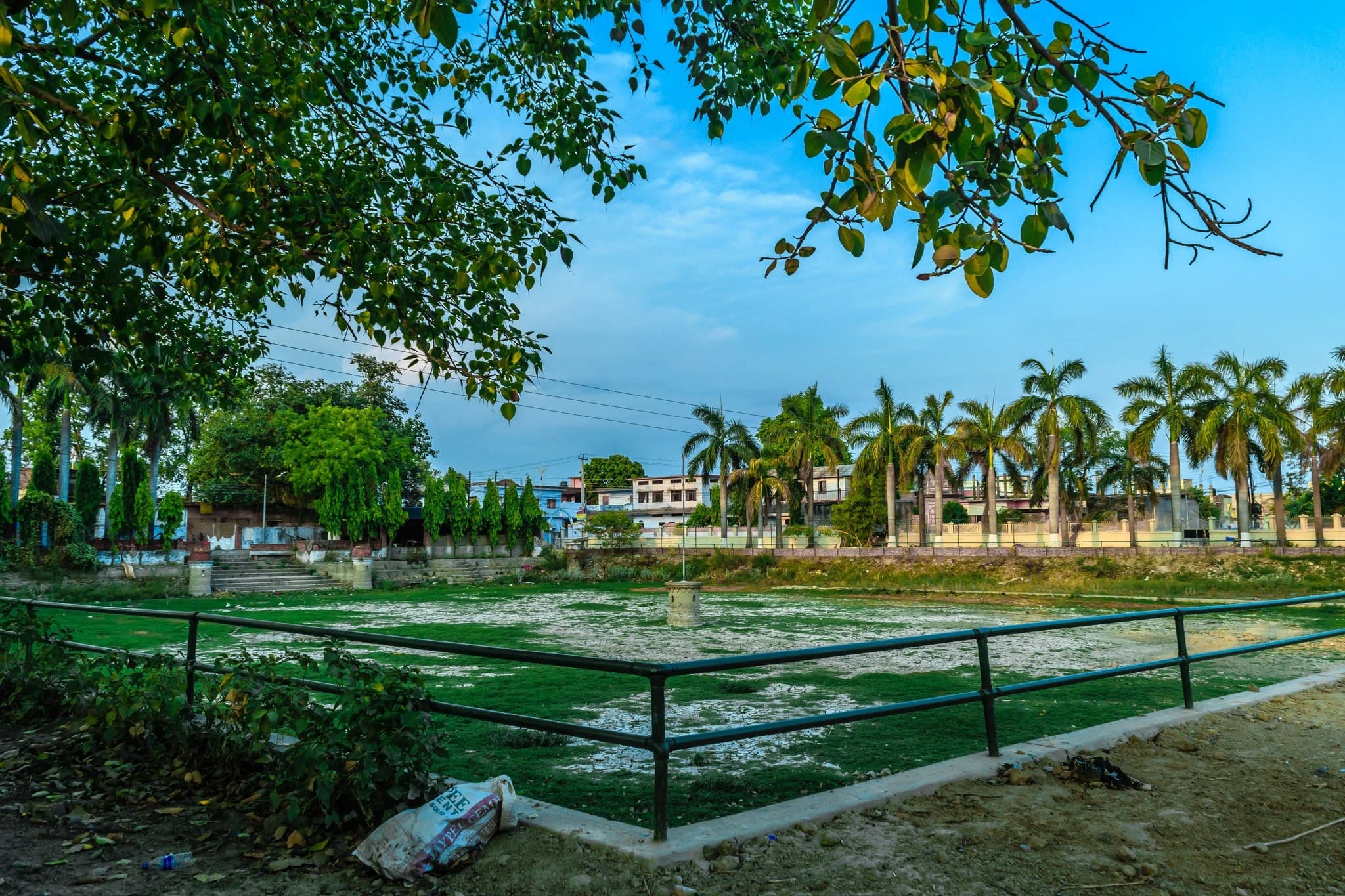
Rani Talau (रानी तलाउ तथा ऐतिहासिक उद्यान), gracefully situated in Nepalgunj Sub-Metropolitan City-8 near the historic city center, is an iconic Rana-era oval recreational lake and landscaped botanical park. Commissioned over a century ago during the late 19th-century administrative founding of modern 'Naya Muluk' Nepalgunj under Rana prime ministers, Rani Talau (Queen's Pond) was engineered as an ornamental royal reservoir and public water garden. Encircled by paved stone promenades, blooming seasonal flower beds, towering sub-tropical trees, and musical fountains, the tranquil lake features a central island gazebo reached via decorative footbridges. Today, Rani Talau serves as Nepalgunj's premier urban eco-park and leisure sanctuary, offering paddle boating across the calm waters, shaded rest pavillions, and an enchanting evening gathering spot for families, travelers, and morning joggers seeking relaxation amid the vibrant cultural tapestry of Nepalgunj.
Rani Talau (रानी तलाउ तथा ऐतिहासिक उद्यान), gracefully situated in Nepalgunj Sub-Metropolitan City-8 near the historic city center, is an iconic Rana-era oval recreational lake and landscaped botanical park. Commissioned over a century ago during the late 19th-century administrative founding of modern 'Naya Muluk' Nepalgunj under Rana prime ministers, Rani Talau (Queen's Pond) was engineered as an ornamental royal reservoir and public water garden. Encircled by paved stone promenades, blooming seasonal flower beds, towering sub-tropical trees, and musical fountains, the tranquil lake features a central island gazebo reached via decorative footbridges. Today, Rani Talau serves as Nepalgunj's premier urban eco-park and leisure sanctuary, offering paddle boating across the calm waters, shaded rest pavillions, and an enchanting evening gathering spot for families, travelers, and morning joggers seeking relaxation amid the vibrant cultural tapestry of Nepalgunj.
1 available
1 available
YouTube
Open YouTube
Discover More

Bageshwori Temple (बागेश्वरी मन्दिर तथा जुँगे महादेव), located in the bustling historic heart of Nepalgunj Sub-Metropolitan City-2, is the supreme mother-goddess pilgrimage shrine and religious pride of Banke District. Revered as an ancient Shaktipeeth, the sacred sanctuary is dedicated to Goddess Bageshwori (an incarnation of Goddess Durga/Parvati). The temple is world-famous for its central sacred pond (*Bageshwori Talau*), at the center of which stands the legendary temple of 'Munghe Mahadev' (जुँगे महादेव / Shiva with a mustache)—the only known idol of Lord Shiva in the entire world depicted sporting a traditional Nepali mustache. Legend attributes the founding of the temple to the revered Nath yogis, who discovered the svayambhu (self-manifested) footprint of the goddess in ancient times. During Vijaya Dashami, Chaite Dashain, Maha Shivaratri, and Maghe Sankranti, the temple campus becomes a vibrant spiritual spectacle, drawing hundreds of thousands of Hindu, Buddhist, and Jain devotees from across Nepal and neighboring Indian states. Pilgrims circumambulate the holy pond, offer tridents and bells, and participate in colorful evening aartis.

Banke National Park (बाँके राष्ट्रिय निकुञ्ज), established in 2010 as Nepal's tenth national park and formally recognized by the government as a 'Gift to the Earth', spans 550 square kilometers across the rugged Chure-Bhabar and Terai lowlands of Banke District, buffered by an additional 343 square kilometers of community forestry. Strategically adjoined to the internationally acclaimed Bardia National Park to the west and India's Suhelwa Wildlife Sanctuary to the south, Banke National Park serves as a crucial trans-boundary biological corridor within the Terai Arc Landscape (TAL). The protected area is characterized by eight distinct ecosystem types, ranging from towering Sal (*Shorea robusta*) woodlands and riverine savannahs to mixed deciduous hill forests along the southern slopes of the Siwalik hills. The park provides vital sanctuary for endangered Royal Bengal tigers, wild Asian elephants, four-horned antelopes (*chausingha*), striped hyenas, leopards, and over 300 documented bird species including the great hornbill and Bengal florican. Visitors can embark on guided jungle jeep safaris, nature wilderness walks, and birdwatching excursions based from the park headquarters at Obhari along the East-West Highway, experiencing an untamed, pristine wildlife frontier in western Nepal.

Aalital is the largest natural freshwater lake in Dadeldhura District, situated at an elevation of 800 metres in the verdant southern foothills of the Mahabharat range in Ward 3 of Aalital Rural Municipality. Spanning approximately 1,175 metres in length, 400 metres in width, and depths reaching up to 22 metres, the expansive natural water body is cradled within dense subtropical sal, pine, and mixed deciduous forests. Famed for its pristine natural serenity, avian biodiversity, and scenic reflections of the surrounding hills, Aalital has emerged as a premier eco-tourism destination equipped with community paddle boating facilities, lakeshore nature trails, a lakeside suspension bridge, a scenic viewing tower, and the revered local shrine of Sameji Devata on its forested banks.

Andha-Andhi Daha (अन्धा-अन्धी दह), also revered as Shravan Kumar Pokhari, is a sacred natural alpine lake and wetland situated in Aandhikhola Rural Municipality Ward 2 (Chilaunebas) of northern Syangja. Located at an altitude of approximately 1,750 meters in the verdant foothills south of the Panchase protected forest, this tranquil lake is deeply embedded in Hindu mythology as the legendary origin spring of the holy Aandhikhola river. According to the ancient Ramayana epic, when the dutiful son Shravan Kumar was mistakenly struck by King Dasharatha's hunting arrow while drawing water for his thirsty blind parents, the grief-stricken hermits cursed the king and wept inconsolably until their demise. Sacred folklore holds that the perennial springs of Andha-Andhi Daha were formed from the endless tears of the devoted blind parents, and that the waters flowing from the pond gave birth to the tears-river, the Aandhikhola. A dedicated shrine and memorial statue of Shravan Kumar carrying his elderly parents in woven baskets commemorate this immortal tale of filial devotion. The lake is enveloped by pristine rhododendron, oak, and pine woodlands rich in diverse birdlife, medicinal flora, and wild orchids. Its peaceful, reflective surface mirrors towering mossy trees and crisp blue skies, offering an atmosphere of serene contemplation. The site serves as a scenic eco-tourism and cultural retreat, accessible via hiking trails from Panchase or rural motorable roads connecting Aandhikhola with the Siddhartha Highway corridor.

Known as one of Siraha's peaceful natural lakes, Baba Taal is a serene destination surrounded by lush greenery and the tranquil landscapes of the eastern Terai. Revered by local communities, the lake is associated with spiritual beliefs and is named after a respected holy figure, giving it both cultural and religious significance. Its calm waters provide a refreshing escape for visitors seeking peace, while the surrounding trees and open spaces create an ideal setting for picnics, leisurely walks, and relaxation. The lake also supports a variety of local birds and aquatic life, making it an attractive spot for birdwatching and nature photography. Early mornings and evenings offer especially beautiful reflections on the water, with sunrise and sunset adding to the lake's scenic charm. Throughout the year, local visitors gather here for recreation, worship, and community celebrations, preserving the area's cultural importance. Whether you're looking to unwind in nature, capture stunning photographs, or experience one of Siraha's hidden gems, Baba Taal offers a calm and memorable retreat.

Badhaiya Tal (बढैयाताल), spanning over 105 hectares in Badhaiyatal Rural Municipality-8, is celebrated as the largest natural lake and wetland sanctuary in Bardiya District and one of the premier avian biodiversity hotspots in southwestern Nepal. Formed by ancient natural river meanders and perennial seepage springs, this vast shallow lake is recognized as a vital wetland habitat supporting over 100 resident and wintering migratory bird species. Every winter between October and March, thousands of waterfowl from Siberia, Mongolia, and the Tibetan Plateau make Badhaiya Tal their seasonal home—including painted storks, Asian openbills, sarus cranes, bar-headed geese, ferruginous ducks, and cotton pygmy geese. Surrounded by lush green paddy plains and indigenous Tharu farming hamlets, the lake is developed as an eco-tourism destination equipped with wooden observation towers for birdwatching, traditional wooden paddle boats for gliding through blooming lotus patches, and scenic peripheral walking promenades. It offers nature lovers, ornithologists, and photographers a peaceful haven of undisturbed wetland life.