
YouTube
Open YouTube
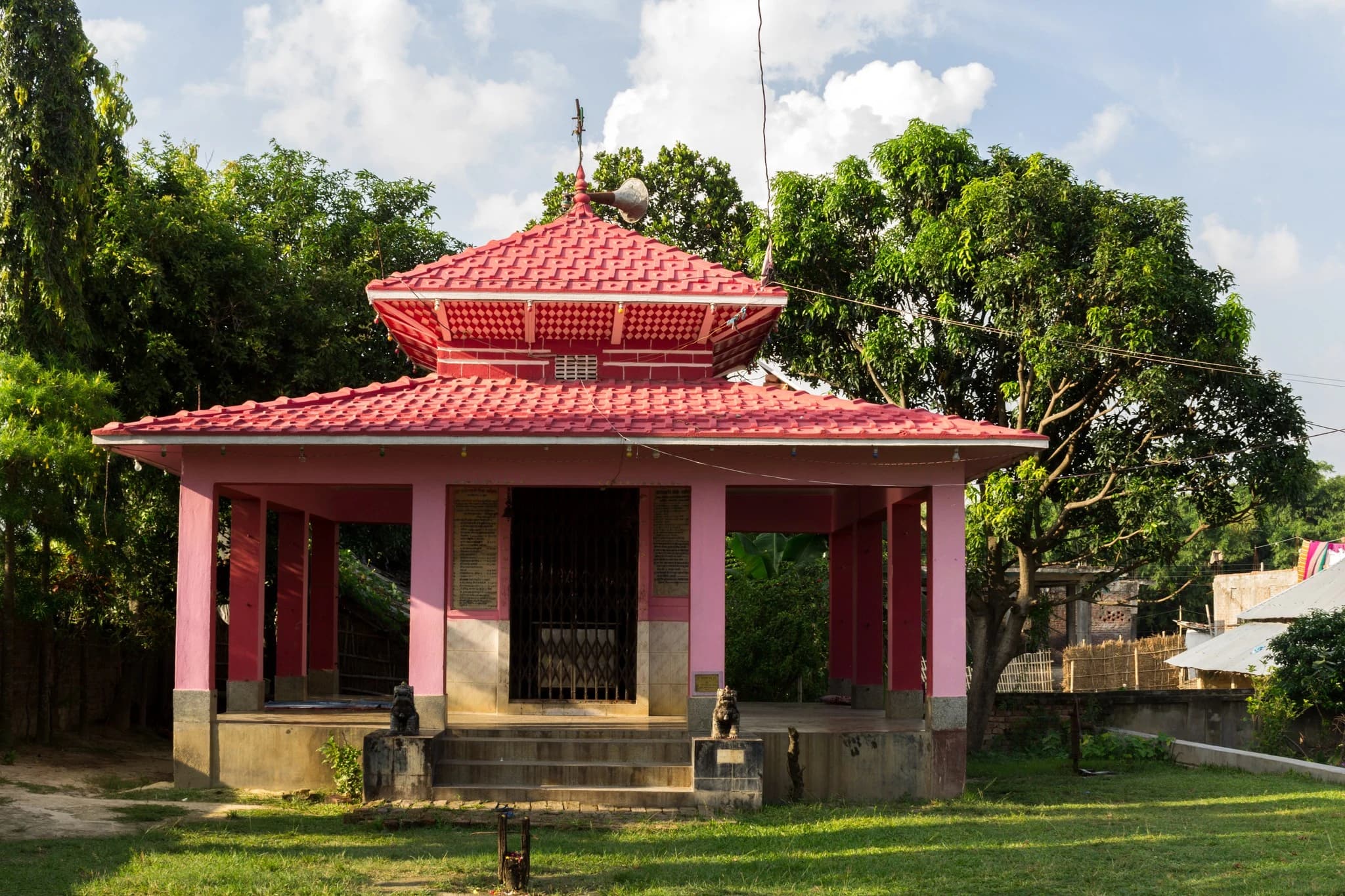
Bageshwori Temple (बागेश्वरी मन्दिर तथा जुँगे महादेव), located in the bustling historic heart of Nepalgunj Sub-Metropolitan City-2, is the supreme mother-goddess pilgrimage shrine and religious pride of Banke District. Revered as an ancient Shaktipeeth, the sacred sanctuary is dedicated to Goddess Bageshwori (an incarnation of Goddess Durga/Parvati). The temple is world-famous for its central sacred pond (*Bageshwori Talau*), at the center of which stands the legendary temple of 'Munghe Mahadev' (जुँगे महादेव / Shiva with a mustache)—the only known idol of Lord Shiva in the entire world depicted sporting a traditional Nepali mustache. Legend attributes the founding of the temple to the revered Nath yogis, who discovered the svayambhu (self-manifested) footprint of the goddess in ancient times. During Vijaya Dashami, Chaite Dashain, Maha Shivaratri, and Maghe Sankranti, the temple campus becomes a vibrant spiritual spectacle, drawing hundreds of thousands of Hindu, Buddhist, and Jain devotees from across Nepal and neighboring Indian states. Pilgrims circumambulate the holy pond, offer tridents and bells, and participate in colorful evening aartis.
Bageshwori Temple (बागेश्वरी मन्दिर तथा जुँगे महादेव), located in the bustling historic heart of Nepalgunj Sub-Metropolitan City-2, is the supreme mother-goddess pilgrimage shrine and religious pride of Banke District. Revered as an ancient Shaktipeeth, the sacred sanctuary is dedicated to Goddess Bageshwori (an incarnation of Goddess Durga/Parvati). The temple is world-famous for its central sacred pond (*Bageshwori Talau*), at the center of which stands the legendary temple of 'Munghe Mahadev' (जुँगे महादेव / Shiva with a mustache)—the only known idol of Lord Shiva in the entire world depicted sporting a traditional Nepali mustache. Legend attributes the founding of the temple to the revered Nath yogis, who discovered the svayambhu (self-manifested) footprint of the goddess in ancient times. During Vijaya Dashami, Chaite Dashain, Maha Shivaratri, and Maghe Sankranti, the temple campus becomes a vibrant spiritual spectacle, drawing hundreds of thousands of Hindu, Buddhist, and Jain devotees from across Nepal and neighboring Indian states. Pilgrims circumambulate the holy pond, offer tridents and bells, and participate in colorful evening aartis.
2 available
2 available
YouTube
Open YouTube
YouTube
Open YouTube
Discover More

Banke National Park (बाँके राष्ट्रिय निकुञ्ज), established in 2010 as Nepal's tenth national park and formally recognized by the government as a 'Gift to the Earth', spans 550 square kilometers across the rugged Chure-Bhabar and Terai lowlands of Banke District, buffered by an additional 343 square kilometers of community forestry. Strategically adjoined to the internationally acclaimed Bardia National Park to the west and India's Suhelwa Wildlife Sanctuary to the south, Banke National Park serves as a crucial trans-boundary biological corridor within the Terai Arc Landscape (TAL). The protected area is characterized by eight distinct ecosystem types, ranging from towering Sal (*Shorea robusta*) woodlands and riverine savannahs to mixed deciduous hill forests along the southern slopes of the Siwalik hills. The park provides vital sanctuary for endangered Royal Bengal tigers, wild Asian elephants, four-horned antelopes (*chausingha*), striped hyenas, leopards, and over 300 documented bird species including the great hornbill and Bengal florican. Visitors can embark on guided jungle jeep safaris, nature wilderness walks, and birdwatching excursions based from the park headquarters at Obhari along the East-West Highway, experiencing an untamed, pristine wildlife frontier in western Nepal.

Rani Talau (रानी तलाउ तथा ऐतिहासिक उद्यान), gracefully situated in Nepalgunj Sub-Metropolitan City-8 near the historic city center, is an iconic Rana-era oval recreational lake and landscaped botanical park. Commissioned over a century ago during the late 19th-century administrative founding of modern 'Naya Muluk' Nepalgunj under Rana prime ministers, Rani Talau (Queen's Pond) was engineered as an ornamental royal reservoir and public water garden. Encircled by paved stone promenades, blooming seasonal flower beds, towering sub-tropical trees, and musical fountains, the tranquil lake features a central island gazebo reached via decorative footbridges. Today, Rani Talau serves as Nepalgunj's premier urban eco-park and leisure sanctuary, offering paddle boating across the calm waters, shaded rest pavillions, and an enchanting evening gathering spot for families, travelers, and morning joggers seeking relaxation amid the vibrant cultural tapestry of Nepalgunj.

Alamdevi Temple (आलमदेवी मन्दिर), situated in Lasargha within Kaligandaki Rural Municipality Ward 3 of Syangja District, is one of the most historically significant and sacred pilgrimage shrines in western Nepal. Venerated as the ancestral tutelary deity (Kuldevi) of the Shah kings of Nepal, the shrine traces its spiritual origin back over seven centuries. According to historical chronicles, when Prince Mincha Khan and his descendants established the principality of Nuwakot in Syangja and later expanded toward Kaski and Lamjung, Alamdevi was established as their protective sovereign deity. To this day, royal priests and state representatives continue to conduct solemn rituals here during major national festivals. A fascinating and distinctive ritual feature of Alamdevi is its open-air architecture and priestcraft tradition. Unlike typical multi-tiered Hindu pagodas, the main sanctum is a subterranean, roofless pit covered by stone and sacred sal trees, where the deity is worshipped as a hidden divine force. Furthermore, in an enduring testament to historic syncretism between the hill Magar populace and the ruling dynasty, the chief officiating priests (pujaris) belong strictly to the Rana Magar clan. Only the appointed Magar priest is permitted to enter the inner sanctum to perform esoteric Vedic-Tantric rituals and offer daily oblations. Perched on a forested hill overlooking the sweeping bends of the Kali Gandaki valley, Alamdevi attracts tens of thousands of pilgrims, particularly during Chaitra Dashain and the autumn Bada Dashain festivals. Devotees visit from across Nepal and India to seek blessings for protection, courage, and prosperity. The shrine is accessible via a motorable road branching off from the Siddhartha Highway at Waling or Galyang through scenic rural ridgelines.

Amar Narayan Temple (अमर नारायण मन्दिर), situated in Tansen Municipality Ward 3 of Palpa District, is a masterpiece of early 19th-century pagoda architecture and classical Nepali woodcarving. Commissioned in 1806 AD (1863 BS) by General Amar Singh Thapa, the legendary Gorkhali military commander and hero of the Anglo-Nepal War during his tenure as governor of Palpa, the temple was dedicated to Lord Vishnu. The structure is built in classical triple-roofed pagoda style, distinguished by intricate wooden roof struts embellished with erotic carvings and depictions of Hindu deities, rivaling the artistic brilliance of Kathmandu Valley artisans. The temple is encircled by a high stone perimeter wall known locally as the 'Great Wall of Tansen', preserving an inner courtyard paved with flagstones and blessed by natural cold-water perennial stone spouts (Dhunge Dhara). Devotees from throughout the hill districts visit Amar Narayan Temple during Haribodhini Ekadashi and Janmashtami, admiring its serene historic ambiance and classical architectural elegance.

Ambikeshwari Bhagwati Temple (अम्बिकेश्वरी भगवती मन्दिर), gracefully situated along the tranquil banks of the Sechha (Katuwa) River in Ambabali within Ghorahi Sub-Metropolitan City-19, is the premier Shaktipeeth and supreme mother-goddess pilgrimage sanctuary of the Dang Valley. Celebrated in regional scriptures and Hindu lore as one of the 51 sacred Shaktipeeths, legend recounts that the right ear (*Karna*) of Sati Devi fell at this consecrated spot while Lord Shiva roamed the cosmos carrying her physical form. The temple houses an aniconic natural rock shrine representing the divine feminine energy, embellished with sacred silver plating, gilded ornaments, and traditional tridents. The pagoda-style main temple is complemented by subsidiary shrines dedicated to Lord Ganesh, Bhairav, and Shiva, all surrounded by sprawling banyan and peepal trees providing cool shade. During Navaratri, Dashain, and Chaite Dashain, Ambikeshwari becomes the vibrant focal point of western Nepal's religious life, echoing with sacred Vedic hymns, devotional *bhajan-kirtan*, and traditional panche baja music. Pilgrims from Dang, Pyuthan, Rolpa, Banke, and cross-border regions visit to seek blessings for protection, prosperity, and spiritual fulfillment.

Known as one of Jhapa's most sacred religious destinations, Arjundhara Jaleshwor Dham is a revered Hindu pilgrimage site famous for its naturally flowing water spring and ancient Shiva temple. According to local legend, the spring was created when Arjuna, one of the Pandava brothers from the Mahabharata, struck the ground with his arrow to provide water, giving the place its name "Arjundhara." Devotees believe the holy spring possesses spiritual significance and visit throughout the year to offer prayers and seek blessings from Lord Shiva. The temple complex is surrounded by lush greenery, peaceful ponds, and beautifully maintained gardens, creating a calm and refreshing atmosphere for visitors. During Maha Shivaratri and other Hindu festivals, thousands of pilgrims gather here to celebrate with great devotion and cultural enthusiasm. The blend of mythology, natural beauty, and religious heritage makes the site one of eastern Nepal's most cherished landmarks. Whether you're exploring its fascinating legends, experiencing its spiritual ambiance, or enjoying the tranquil surroundings, Arjundhara Jaleshwor Dham offers a memorable journey into Nepal's rich cultural and religious traditions.