YouTube
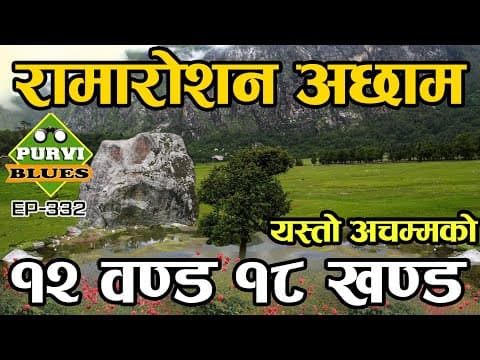
Ramaroshan Achham || 12 Banda 18 Khanda Hidden Gems of West Nepal
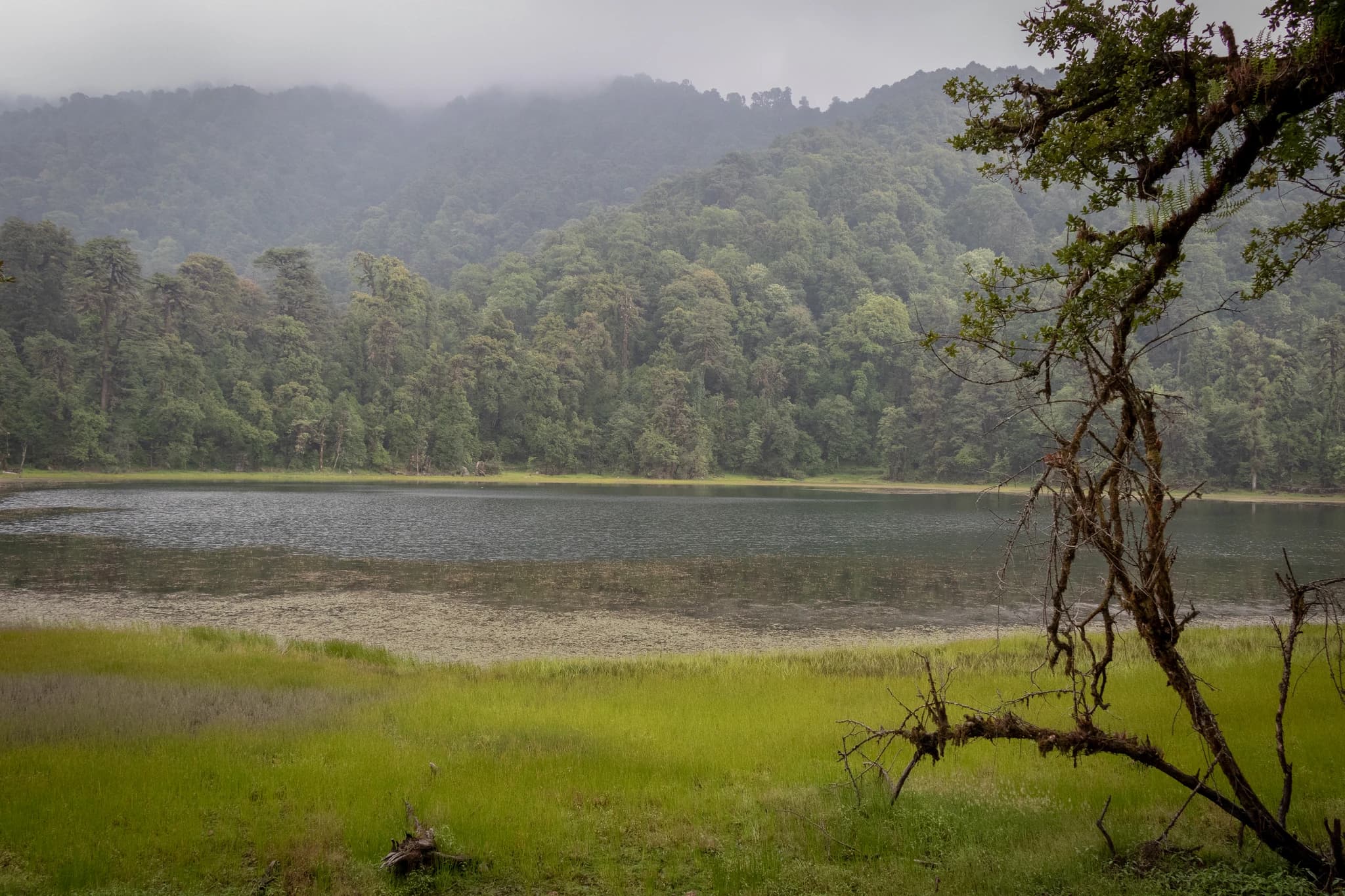
Ramaroshan Wetland Complex (रामारोशन क्षेत्र), renowned across Far-Western Nepal as 'Barha Banda, Athara Khanda' (बाह्र बण्ड, अठार खण्ड — Twelve Lakes and Eighteen Grasslands), is a breathtaking high-altitude alpine wetland plateau and biodiversity sanctuary situated at an elevation of 2,500 metres in Ramaroshan Rural Municipality, Achham District. Nestled amidst pristine temperate forests of blooming rhododendron, Himalayan oak, and blue pine, Ramaroshan is considered the premier eco-tourism wonderland and wilderness trekking destination of Achham. The wetland complex encompasses twelve natural freshwater lakes of glacial and tectonic origin, each with distinct characteristics, headed by Jigale Lake (जिगाले ताल), an expansive waterbody shaped like a natural English 'C' or 'Y', and Mathillo Dhaune Lake, celebrated as the deepest. Surrounding the lakes are eighteen sprawling alpine meadows (patans), most notably Kinemini Chaur (किनेमिने चउर), through which the crystal-clear Kailash Khola serenely meanders. The plateau serves as a vital ecological haven for endangered wildlife including the musk deer, Himalayan monal (Danfe), cheer pheasant, and leopard cat. Beyond its extraordinary ecological value, Ramaroshan holds deep cultural significance as a sacred grazing realm and ancient pilgrimage landscape. Trekkers ascending to Ramaroshan enjoy panoramic vistas of Mount Saipal (7,031m) and the Api Himal massif to the northwest, as well as dramatic cascading waterfalls including Bange Chhahara. In 2026, the Government of Nepal formally recognized the corridor connecting Ramaroshan to Badimalika as a vital regional protected forest sanctuary.
Ramaroshan Wetland Complex (रामारोशन क्षेत्र), renowned across Far-Western Nepal as 'Barha Banda, Athara Khanda' (बाह्र बण्ड, अठार खण्ड — Twelve Lakes and Eighteen Grasslands), is a breathtaking high-altitude alpine wetland plateau and biodiversity sanctuary situated at an elevation of 2,500 metres in Ramaroshan Rural Municipality, Achham District. Nestled amidst pristine temperate forests of blooming rhododendron, Himalayan oak, and blue pine, Ramaroshan is considered the premier eco-tourism wonderland and wilderness trekking destination of Achham. The wetland complex encompasses twelve natural freshwater lakes of glacial and tectonic origin, each with distinct characteristics, headed by Jigale Lake (जिगाले ताल), an expansive waterbody shaped like a natural English 'C' or 'Y', and Mathillo Dhaune Lake, celebrated as the deepest. Surrounding the lakes are eighteen sprawling alpine meadows (patans), most notably Kinemini Chaur (किनेमिने चउर), through which the crystal-clear Kailash Khola serenely meanders. The plateau serves as a vital ecological haven for endangered wildlife including the musk deer, Himalayan monal (Danfe), cheer pheasant, and leopard cat. Beyond its extraordinary ecological value, Ramaroshan holds deep cultural significance as a sacred grazing realm and ancient pilgrimage landscape. Trekkers ascending to Ramaroshan enjoy panoramic vistas of Mount Saipal (7,031m) and the Api Himal massif to the northwest, as well as dramatic cascading waterfalls including Bange Chhahara. In 2026, the Government of Nepal formally recognized the corridor connecting Ramaroshan to Badimalika as a vital regional protected forest sanctuary.
3 available
1 available
YouTube
Ramaroshan Achham || 12 Banda 18 Khanda Hidden Gems of West Nepal
Discover More

Baidyanath Dham (वैद्यनाथ धाम), situated in Sanfebagar Municipality-1 at an elevation of 920 metres, is one of the four legendary Char Dham holy pilgrimage shrines of Nepal and the spiritual epicenter of Achham District. Perched at the sacred confluence (Triveni sangam) of the holy Budhiganga River and the Saraswati (Vriddhaganga) River, Baidyanath is venerated as an extraordinarily auspicious Shaivite pilgrimage sanctuary mentioned prominently in the ancient Manaskhanda of the Skanda Purana. According to Hindu religious tradition and scriptural lore, this sacred river confluence is where the mythical Lanka king Ravana performed intense penance (tapasya) dedicated to Lord Shiva, severing his ten heads one after another. Lord Shiva, pleased by his devotion, appeared in the divine form of a celestial physician ('Baidya') to restore his heads and grant him boons, thereby consecrating the sanctuary as 'Baidyanath' (Lord of Physicians). Today, pilgrims bathe in the sacred sangam to seek spiritual purification, health, and relief from chronic ailments. The temple complex features ancient stone sculptures, a traditional multi-tiered sanctum, and the renowned Baidyanath Ved Vidyashram, a residential Vedic academy preserving traditional Sanskrit chanting, scriptures, and ritual learning. During the grand festival of Maha Shivaratri, tens of thousands of pilgrims, sadhus, and cultural troupes from across Sudurpashchim, Karnali, and Northern India converge here for sacred rituals, holy dips, and festive cultural celebrations along the riverbanks.

Binayak Panchadewal (विनायक पञ्चदेवल — Five Temples of Binayak) is a magnificent group of five medieval dry-stone Shikhara-style beehive temples situated in Panchadewal Binayak Municipality-3, Achham District, along the historic Mid-Hill Highway at an elevation of 1,345 metres. Listed as a protected national monument by the Department of Archaeology (DOA), this architectural masterpiece stands as one of the most significant and intact archaeological relics of the medieval Khas-Malla Empire in western Nepal. An ancient stone inscription carved into the monumental lintels records that these five Shikhara devals were constructed in Saka Era 1212 (1337 BS / 1290 CE) during the reign of Khas King Akshay Malla (अक्षय मल्ल). Renowned historian and antiquarian Yogi Naraharinath extensively documented the site, deciphering its Khas script inscriptions and linking the monuments to the imperial stone-masonry traditions centered at the Sinja capital of the Khas Kingdom. Each deval is erected with precision dry-stone masonry, featuring intricately carved doorframes, floral relief motifs, geometric lintels, and crowning ribbed stone amalaka capitals. Standing gracefully on a raised stone terrace in the heart of Binayak town, the monuments provide invaluable archaeological insight into the artistic heights, Shaivite devotional practices, and architectural engineering of 13th-century Western Nepal. The site is easily accessible to cultural travelers traversing the Mid-Hill Highway connecting Karnali and Sudurpashchim.

Mangalsen Durbar (मङ्गलसेन दरबार — Achham Palace), situated at an elevation of 1,746 metres in the district headquarters of Mangalsen Municipality, is the historic royal palace of the Achhami Rajas and the foremost civic heritage landmark of Achham District. Originally commissioned by King Tikabhuk Shah and completed in 1935 BS (1878 CE) under his son King Dal Bahadur Shah, the palace stands as a grand testament to the historical Baise Rajya principality of Achham. Architecturally, Mangalsen Durbar was constructed in an imposing three-story syncretic style combining classical Khas fortress masonry with intricate Newari wood-carving aesthetics reminiscent of the Kathmandu Valley durbars. The structure features elaborately carved wooden multi-bay windows, courtyards, and thick dressed-stone walls. Tragically, the historic palace was completely destroyed during a fierce conflict battle on the night of Falgun 4, 2058 BS (February 17, 2002). Following decades of civic advocacy, the Government of Nepal executed a faithful multi-million rupee architectural reconstruction to restore the palace to its original 19th-century splendor. Today, the restored Mangalsen Durbar functions as a premier cultural heritage monument, district museum, and civic landmark. Overlooking the scenic Mangalsen valley bowl with sweeping views of surrounding terraced hillsides, the palace offers visitors an immersive journey into the medieval kingship, wartime history, and resilient architectural rebirth of Far-Western Nepal.

Aalital is the largest natural freshwater lake in Dadeldhura District, situated at an elevation of 800 metres in the verdant southern foothills of the Mahabharat range in Ward 3 of Aalital Rural Municipality. Spanning approximately 1,175 metres in length, 400 metres in width, and depths reaching up to 22 metres, the expansive natural water body is cradled within dense subtropical sal, pine, and mixed deciduous forests. Famed for its pristine natural serenity, avian biodiversity, and scenic reflections of the surrounding hills, Aalital has emerged as a premier eco-tourism destination equipped with community paddle boating facilities, lakeshore nature trails, a lakeside suspension bridge, a scenic viewing tower, and the revered local shrine of Sameji Devata on its forested banks.

Andha-Andhi Daha (अन्धा-अन्धी दह), also revered as Shravan Kumar Pokhari, is a sacred natural alpine lake and wetland situated in Aandhikhola Rural Municipality Ward 2 (Chilaunebas) of northern Syangja. Located at an altitude of approximately 1,750 meters in the verdant foothills south of the Panchase protected forest, this tranquil lake is deeply embedded in Hindu mythology as the legendary origin spring of the holy Aandhikhola river. According to the ancient Ramayana epic, when the dutiful son Shravan Kumar was mistakenly struck by King Dasharatha's hunting arrow while drawing water for his thirsty blind parents, the grief-stricken hermits cursed the king and wept inconsolably until their demise. Sacred folklore holds that the perennial springs of Andha-Andhi Daha were formed from the endless tears of the devoted blind parents, and that the waters flowing from the pond gave birth to the tears-river, the Aandhikhola. A dedicated shrine and memorial statue of Shravan Kumar carrying his elderly parents in woven baskets commemorate this immortal tale of filial devotion. The lake is enveloped by pristine rhododendron, oak, and pine woodlands rich in diverse birdlife, medicinal flora, and wild orchids. Its peaceful, reflective surface mirrors towering mossy trees and crisp blue skies, offering an atmosphere of serene contemplation. The site serves as a scenic eco-tourism and cultural retreat, accessible via hiking trails from Panchase or rural motorable roads connecting Aandhikhola with the Siddhartha Highway corridor.

Known as one of Siraha's peaceful natural lakes, Baba Taal is a serene destination surrounded by lush greenery and the tranquil landscapes of the eastern Terai. Revered by local communities, the lake is associated with spiritual beliefs and is named after a respected holy figure, giving it both cultural and religious significance. Its calm waters provide a refreshing escape for visitors seeking peace, while the surrounding trees and open spaces create an ideal setting for picnics, leisurely walks, and relaxation. The lake also supports a variety of local birds and aquatic life, making it an attractive spot for birdwatching and nature photography. Early mornings and evenings offer especially beautiful reflections on the water, with sunrise and sunset adding to the lake's scenic charm. Throughout the year, local visitors gather here for recreation, worship, and community celebrations, preserving the area's cultural importance. Whether you're looking to unwind in nature, capture stunning photographs, or experience one of Siraha's hidden gems, Baba Taal offers a calm and memorable retreat.