YouTube
Pilgrimage guide and courtyard darshan at Digre Sai Kumari Mandir, Rukum West (Video: Upakar Bhandari)
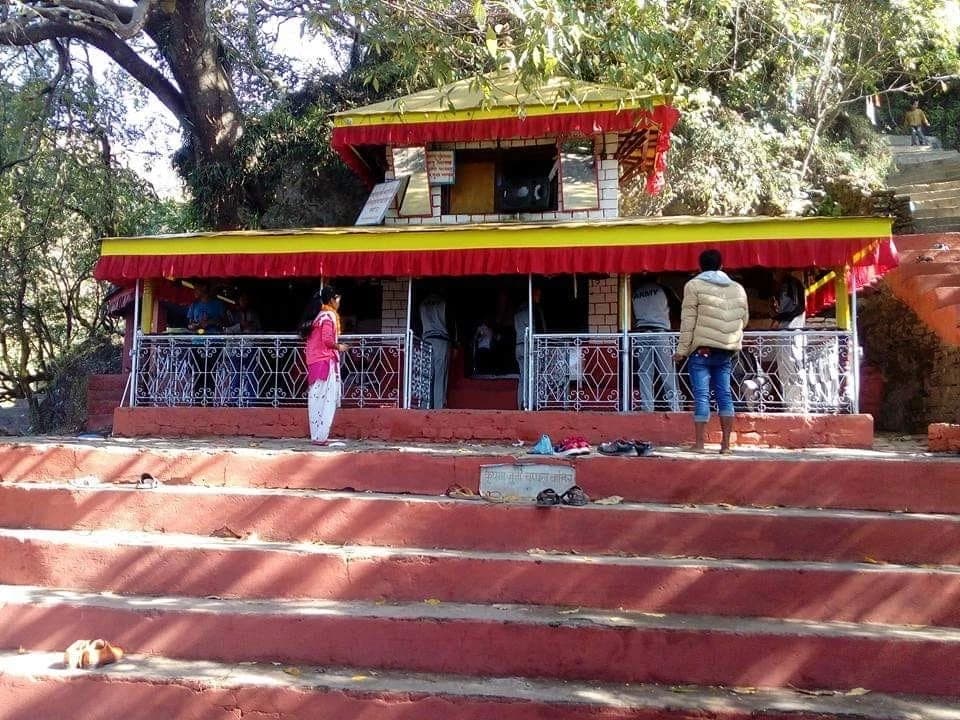
Located at Tharpu in Musikot Municipality, Digre Sai Kumari Bhagawati Temple (डिग्रे शाईकुमारी भगवती मन्दिर) is one of the most revered and ancient Shakta pilgrimage shrines in Western Nepal, cataloged under national archaeological monument inventory NP-RK-06. The sanctuary enshrines a sacred manifestation of Goddess Durga and houses a historic bronze temple bell dating back to 1641 BS (1584 CE). According to sacred local legend, the subterranean inner sanctum contains a natural limestone fissure traditionally believed to connect directly to the waters of the sacred Sani Bheri River. The temple is the focal point of an immense five-day religious fair held annually from Haribodhini Ekadashi to Kartik Purnima, drawing tens of thousands of pilgrims from across Karnali and Lumbini provinces. During the festival, devotees participate in vibrant spiritual rites and witness the iconic Sagal Nach (martial stick dance), creating an unforgettable cultural and spiritual spectacle.
Located at Tharpu in Musikot Municipality, Digre Sai Kumari Bhagawati Temple (डिग्रे शाईकुमारी भगवती मन्दिर) is one of the most revered and ancient Shakta pilgrimage shrines in Western Nepal, cataloged under national archaeological monument inventory NP-RK-06. The sanctuary enshrines a sacred manifestation of Goddess Durga and houses a historic bronze temple bell dating back to 1641 BS (1584 CE). According to sacred local legend, the subterranean inner sanctum contains a natural limestone fissure traditionally believed to connect directly to the waters of the sacred Sani Bheri River. The temple is the focal point of an immense five-day religious fair held annually from Haribodhini Ekadashi to Kartik Purnima, drawing tens of thousands of pilgrims from across Karnali and Lumbini provinces. During the festival, devotees participate in vibrant spiritual rites and witness the iconic Sagal Nach (martial stick dance), creating an unforgettable cultural and spiritual spectacle.
1 available
1 available
YouTube
Pilgrimage guide and courtyard darshan at Digre Sai Kumari Mandir, Rukum West (Video: Upakar Bhandari)
Discover More

Spread across an expansive subtropical plateau along the eastern banks of the Bheri River, Chaurjahari Valley (चौरजहारी उपत्यका) is the largest and most striking flat river plain in the mountainous Karnali Province. Perched at an agreeable elevation of approximately 780 meters, this fertile agricultural wonderland is renowned as the breadbasket of Western Rukum, blanketed with flourishing paddy fields, golden wheat terraces, and sun-ripened citrus orchards. The Government of Nepal has designated Chaurjahari as one of the ten model Smart New Cities along the Mid-Hill Highway corridor, blending historic Newari-influenced bazaar quarters with modern town planning. The valley offers sweeping views of the turquoise Bheri River winding beneath rugged limestone cliffs, historic pedestrian suspension bridges linking Rukum West with Jajarkot, and panoramic vantage points from the surrounding hilltops.

Perched dramatically along a high mountain spine commanding the Sani Bheri river basin, the Musikot Khalanga Historic Ridge (मुसिकोट खलङ्गा ऐतिहासिक गढी) represents the historical and administrative heart of Rukum West. This strategic hilltop was the fortified citadel seat of the medieval Musikoti Rajas, one of the prominent principalities of the Baise Rajya confederacy before its incorporation into unified Nepal in 1787 CE. The ridge preserves the historic ruins of Musikot Durbar, ancient defensive stone bastions, and the royal palace temple complex restored under archaeological oversight. Walking along the traditional stone-paved paths through the old Khalanga settlement, visitors encounter distinctive vernacular stone masonry architecture, panoramic 360-degree viewpoints stretching north toward the snow-capped Sisne range, and rich cultural lore surrounding the founder-maid Musi and the martial history of the Karnali hills.

Nestled among the terraced hills of Banfikot in Rukum West, Syarpu Lake (स्यार्पू ताल) is the premier freshwater gem of the Mid-Western hills. Spanning a water surface of approximately 49 hectares within a wider 2.6-square-kilometer catchment basin, this serene body of water reflects rolling green pine ridges and terraced village farms. The lake is fed by pristine natural springs and the cascading waters of the Simaichhari waterfall, supporting thriving local carp fisheries and vibrant biodiversity. Visitors can glide across its tranquil turquoise waters on traditional wooden rowboats, hike scenic rim trails connecting lakeside homestays, and savor fresh local fish prepared by welcoming Magar and Chhetri communities. The annual Syarpu Tourism Festival celebrates the lake's cultural and ecological prominence, making it an essential eco-tourism and nature retreat in Karnali Province.

Alamdevi Temple (आलमदेवी मन्दिर), situated in Lasargha within Kaligandaki Rural Municipality Ward 3 of Syangja District, is one of the most historically significant and sacred pilgrimage shrines in western Nepal. Venerated as the ancestral tutelary deity (Kuldevi) of the Shah kings of Nepal, the shrine traces its spiritual origin back over seven centuries. According to historical chronicles, when Prince Mincha Khan and his descendants established the principality of Nuwakot in Syangja and later expanded toward Kaski and Lamjung, Alamdevi was established as their protective sovereign deity. To this day, royal priests and state representatives continue to conduct solemn rituals here during major national festivals. A fascinating and distinctive ritual feature of Alamdevi is its open-air architecture and priestcraft tradition. Unlike typical multi-tiered Hindu pagodas, the main sanctum is a subterranean, roofless pit covered by stone and sacred sal trees, where the deity is worshipped as a hidden divine force. Furthermore, in an enduring testament to historic syncretism between the hill Magar populace and the ruling dynasty, the chief officiating priests (pujaris) belong strictly to the Rana Magar clan. Only the appointed Magar priest is permitted to enter the inner sanctum to perform esoteric Vedic-Tantric rituals and offer daily oblations. Perched on a forested hill overlooking the sweeping bends of the Kali Gandaki valley, Alamdevi attracts tens of thousands of pilgrims, particularly during Chaitra Dashain and the autumn Bada Dashain festivals. Devotees visit from across Nepal and India to seek blessings for protection, courage, and prosperity. The shrine is accessible via a motorable road branching off from the Siddhartha Highway at Waling or Galyang through scenic rural ridgelines.

Amar Narayan Temple (अमर नारायण मन्दिर), situated in Tansen Municipality Ward 3 of Palpa District, is a masterpiece of early 19th-century pagoda architecture and classical Nepali woodcarving. Commissioned in 1806 AD (1863 BS) by General Amar Singh Thapa, the legendary Gorkhali military commander and hero of the Anglo-Nepal War during his tenure as governor of Palpa, the temple was dedicated to Lord Vishnu. The structure is built in classical triple-roofed pagoda style, distinguished by intricate wooden roof struts embellished with erotic carvings and depictions of Hindu deities, rivaling the artistic brilliance of Kathmandu Valley artisans. The temple is encircled by a high stone perimeter wall known locally as the 'Great Wall of Tansen', preserving an inner courtyard paved with flagstones and blessed by natural cold-water perennial stone spouts (Dhunge Dhara). Devotees from throughout the hill districts visit Amar Narayan Temple during Haribodhini Ekadashi and Janmashtami, admiring its serene historic ambiance and classical architectural elegance.

Ambikeshwari Bhagwati Temple (अम्बिकेश्वरी भगवती मन्दिर), gracefully situated along the tranquil banks of the Sechha (Katuwa) River in Ambabali within Ghorahi Sub-Metropolitan City-19, is the premier Shaktipeeth and supreme mother-goddess pilgrimage sanctuary of the Dang Valley. Celebrated in regional scriptures and Hindu lore as one of the 51 sacred Shaktipeeths, legend recounts that the right ear (*Karna*) of Sati Devi fell at this consecrated spot while Lord Shiva roamed the cosmos carrying her physical form. The temple houses an aniconic natural rock shrine representing the divine feminine energy, embellished with sacred silver plating, gilded ornaments, and traditional tridents. The pagoda-style main temple is complemented by subsidiary shrines dedicated to Lord Ganesh, Bhairav, and Shiva, all surrounded by sprawling banyan and peepal trees providing cool shade. During Navaratri, Dashain, and Chaite Dashain, Ambikeshwari becomes the vibrant focal point of western Nepal's religious life, echoing with sacred Vedic hymns, devotional *bhajan-kirtan*, and traditional panche baja music. Pilgrims from Dang, Pyuthan, Rolpa, Banke, and cross-border regions visit to seek blessings for protection, prosperity, and spiritual fulfillment.