YouTube
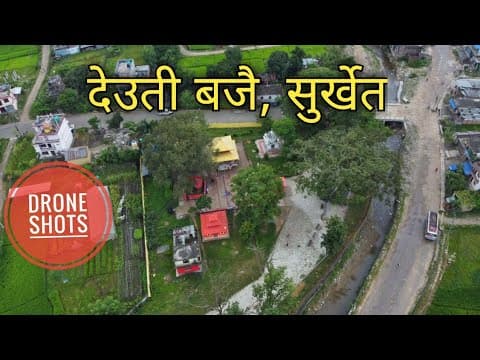
Deuti Bajai Temple Surkhet Documentary and Heritage | YATRI
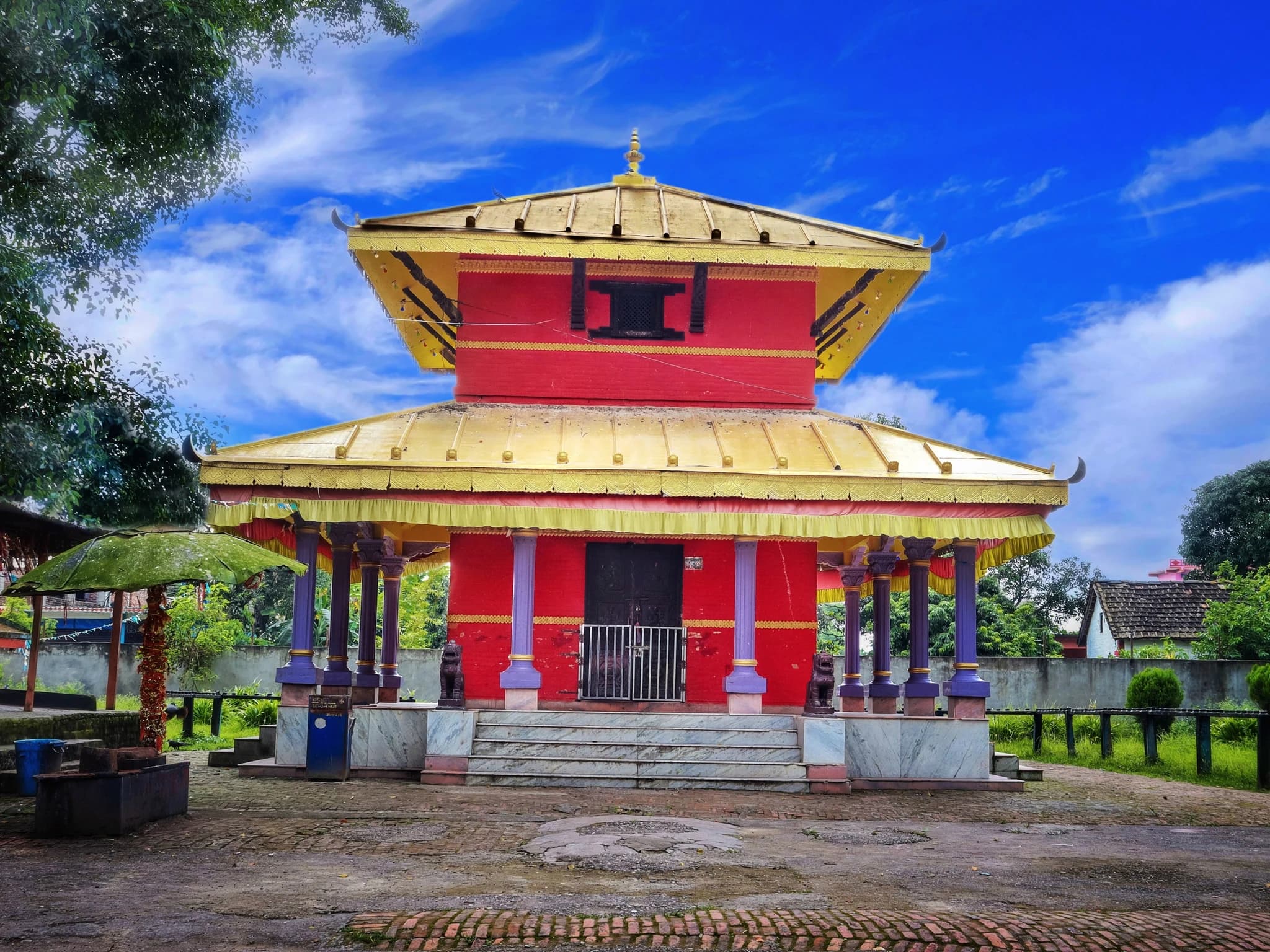
Deuti Bajai Temple (देउती बज्यै मन्दिर), situated in Birendranagar Municipality-11, is the foremost historic Hindu pilgrimage temple and spiritual guardian shrine of Surkhet District and the wider Bheri river valley. Dedicated to Goddess Deuti Bajai, a revered manifestation of Goddess Durga/Bhagwati, the temple is steeped in ancient folklore dating back to the Khas kingdom era. According to regional legend, the shrine was originally consecrated around a holy self-manifested stone discovered along the Bheri riverbanks by the indigenous Raji people—an ancient semi-nomadic riverine tribe of western Nepal—who served as the shrine's hereditary priests and protectors for centuries. Devotees from across Karnali, Lumbini, and Sudurpashchim provinces visit the temple to offer worship, seek blessings for fulfillment of personal vows, and pray for safe journeys before embarking along the arduous mountain highways toward Jumla, Rara, and Dolpa. The temple precinct buzzes with devotional fervor during Sharadiya Navaratri and Chaitra Dashain, when thousands gather to witness traditional animal rituals, ceremonial drumming, and sacred offerings in its verdant red-brick courtyards.
Deuti Bajai Temple (देउती बज्यै मन्दिर), situated in Birendranagar Municipality-11, is the foremost historic Hindu pilgrimage temple and spiritual guardian shrine of Surkhet District and the wider Bheri river valley. Dedicated to Goddess Deuti Bajai, a revered manifestation of Goddess Durga/Bhagwati, the temple is steeped in ancient folklore dating back to the Khas kingdom era. According to regional legend, the shrine was originally consecrated around a holy self-manifested stone discovered along the Bheri riverbanks by the indigenous Raji people—an ancient semi-nomadic riverine tribe of western Nepal—who served as the shrine's hereditary priests and protectors for centuries. Devotees from across Karnali, Lumbini, and Sudurpashchim provinces visit the temple to offer worship, seek blessings for fulfillment of personal vows, and pray for safe journeys before embarking along the arduous mountain highways toward Jumla, Rara, and Dolpa. The temple precinct buzzes with devotional fervor during Sharadiya Navaratri and Chaitra Dashain, when thousands gather to witness traditional animal rituals, ceremonial drumming, and sacred offerings in its verdant red-brick courtyards.
2 available
1 available
YouTube
Deuti Bajai Temple Surkhet Documentary and Heritage | YATRI
Discover More

The Bheri River Rafting Corridor (भेरी नदी जलयात्रा तथा साहसिक करिडोर), traversing the rugged southern canyons of Surkhet District across Bheriganga, Gurbhakot, and Barahatal municipalities, is celebrated internationally as one of Nepal's finest multi-day white-water river adventures and sport angling destinations. Originating high in the glaciated ridges of the Dhaulagiri and Kanjiroba massifs, the Bheri River carves through untamed subtropical valleys, towering limestone bluffs, pristine sal forests, and expansive white sand beaches before uniting with the Karnali River at Kuneghat. The Surkhet section features thrilling Class III and Class IV rapids interspersed with gentle, glassy turquoise pools ideal for beginner and experienced rafters, kayakers, and wilderness campers alike. In addition to exhilarating white-water navigation, the Bheri River is globally acclaimed as a prime habitat for the endangered Golden Mahseer (Tor putitora), attracting catch-and-release sport anglers from around the world. Multi-day river expeditions offer secluded riverside wilderness camping under starlit skies, canyon birdwatching (including endangered river lapwings and fish eagles), and an intimate look at the indigenous fishing lifestyles of the Raji and Majhi river communities.

Bulbule Lake (बुलबुले ताल तथा पर्या-पर्यटन पार्क), located in Birendranagar Municipality-10, is Surkhet's most iconic natural landmark and recreational eco-park, eternally celebrated across Nepal through the classic folk song 'Surkhetma Bulbule Taal...'. Spanning approximately 28 bighas, the park derives its name from the continuous, natural underground freshwater springs that bubble ('bulbule') up through the subterranean gravel beds to feed the lake. The site has been developed into a scenic urban wetland and botanical sanctuary featuring an expansive boating lake where visitors can paddle across calm waters, traditional stone water spouts (dhunge dhara) flowing with pure artesian spring water, manicured flower gardens, and shaded picnic groves. Serving as the social and ecological heart of the provincial capital, Bulbule Lake is an essential stop for families, travelers acclimating in Birendranagar, and nature lovers seeking relaxed afternoon strolls along weeping willow trees and lotus pools with sweeping views of the surrounding Surkhet hills.

Kakre Bihar (काँक्रेविहार), situated atop a forested hillock in Birendranagar Municipality-11, is a monumental 12th-century archaeological masterpiece celebrated as the 'Lumbini of Western Nepal' and the premier cultural heritage landmark of Karnali Province. Constructed during the zenith of the medieval Khas-Malla Empire under King Krachalla and his successors, Kakre Bihar originally stood as an extraordinary syncretic Shikhara-style stone temple and Buddhist monastic complex. Discovered in ruins in the late 20th century, the monument was meticulously excavated and reassembled by the Department of Archaeology using anastylosis, re-erecting hundreds of original hand-carved stone blocks adorned with intricate bas-relief carvings of Gautama Buddha, Bodhisattvas, Saraswati, and Hindu deities alongside floral friezes. The temple is ensconced within a peaceful 175-hectare protected biodiversity forest reserve where spotted deer, barking deer, wild boars, and diverse sub-tropical birdlife roam freely under dense sal canopies. Located just five kilometers south of central Birendranagar, Kakre Bihar offers travelers an inspiring blend of deep archaeological history, sacred art, and tranquil woodland walking trails.

Alamdevi Temple (आलमदेवी मन्दिर), situated in Lasargha within Kaligandaki Rural Municipality Ward 3 of Syangja District, is one of the most historically significant and sacred pilgrimage shrines in western Nepal. Venerated as the ancestral tutelary deity (Kuldevi) of the Shah kings of Nepal, the shrine traces its spiritual origin back over seven centuries. According to historical chronicles, when Prince Mincha Khan and his descendants established the principality of Nuwakot in Syangja and later expanded toward Kaski and Lamjung, Alamdevi was established as their protective sovereign deity. To this day, royal priests and state representatives continue to conduct solemn rituals here during major national festivals. A fascinating and distinctive ritual feature of Alamdevi is its open-air architecture and priestcraft tradition. Unlike typical multi-tiered Hindu pagodas, the main sanctum is a subterranean, roofless pit covered by stone and sacred sal trees, where the deity is worshipped as a hidden divine force. Furthermore, in an enduring testament to historic syncretism between the hill Magar populace and the ruling dynasty, the chief officiating priests (pujaris) belong strictly to the Rana Magar clan. Only the appointed Magar priest is permitted to enter the inner sanctum to perform esoteric Vedic-Tantric rituals and offer daily oblations. Perched on a forested hill overlooking the sweeping bends of the Kali Gandaki valley, Alamdevi attracts tens of thousands of pilgrims, particularly during Chaitra Dashain and the autumn Bada Dashain festivals. Devotees visit from across Nepal and India to seek blessings for protection, courage, and prosperity. The shrine is accessible via a motorable road branching off from the Siddhartha Highway at Waling or Galyang through scenic rural ridgelines.

Amar Narayan Temple (अमर नारायण मन्दिर), situated in Tansen Municipality Ward 3 of Palpa District, is a masterpiece of early 19th-century pagoda architecture and classical Nepali woodcarving. Commissioned in 1806 AD (1863 BS) by General Amar Singh Thapa, the legendary Gorkhali military commander and hero of the Anglo-Nepal War during his tenure as governor of Palpa, the temple was dedicated to Lord Vishnu. The structure is built in classical triple-roofed pagoda style, distinguished by intricate wooden roof struts embellished with erotic carvings and depictions of Hindu deities, rivaling the artistic brilliance of Kathmandu Valley artisans. The temple is encircled by a high stone perimeter wall known locally as the 'Great Wall of Tansen', preserving an inner courtyard paved with flagstones and blessed by natural cold-water perennial stone spouts (Dhunge Dhara). Devotees from throughout the hill districts visit Amar Narayan Temple during Haribodhini Ekadashi and Janmashtami, admiring its serene historic ambiance and classical architectural elegance.

Ambikeshwari Bhagwati Temple (अम्बिकेश्वरी भगवती मन्दिर), gracefully situated along the tranquil banks of the Sechha (Katuwa) River in Ambabali within Ghorahi Sub-Metropolitan City-19, is the premier Shaktipeeth and supreme mother-goddess pilgrimage sanctuary of the Dang Valley. Celebrated in regional scriptures and Hindu lore as one of the 51 sacred Shaktipeeths, legend recounts that the right ear (*Karna*) of Sati Devi fell at this consecrated spot while Lord Shiva roamed the cosmos carrying her physical form. The temple houses an aniconic natural rock shrine representing the divine feminine energy, embellished with sacred silver plating, gilded ornaments, and traditional tridents. The pagoda-style main temple is complemented by subsidiary shrines dedicated to Lord Ganesh, Bhairav, and Shiva, all surrounded by sprawling banyan and peepal trees providing cool shade. During Navaratri, Dashain, and Chaite Dashain, Ambikeshwari becomes the vibrant focal point of western Nepal's religious life, echoing with sacred Vedic hymns, devotional *bhajan-kirtan*, and traditional panche baja music. Pilgrims from Dang, Pyuthan, Rolpa, Banke, and cross-border regions visit to seek blessings for protection, prosperity, and spiritual fulfillment.