YouTube
A Day at Bulbule Taal Surkhet | Beautiful Garden and Water Spouts | Fazal Vlogs
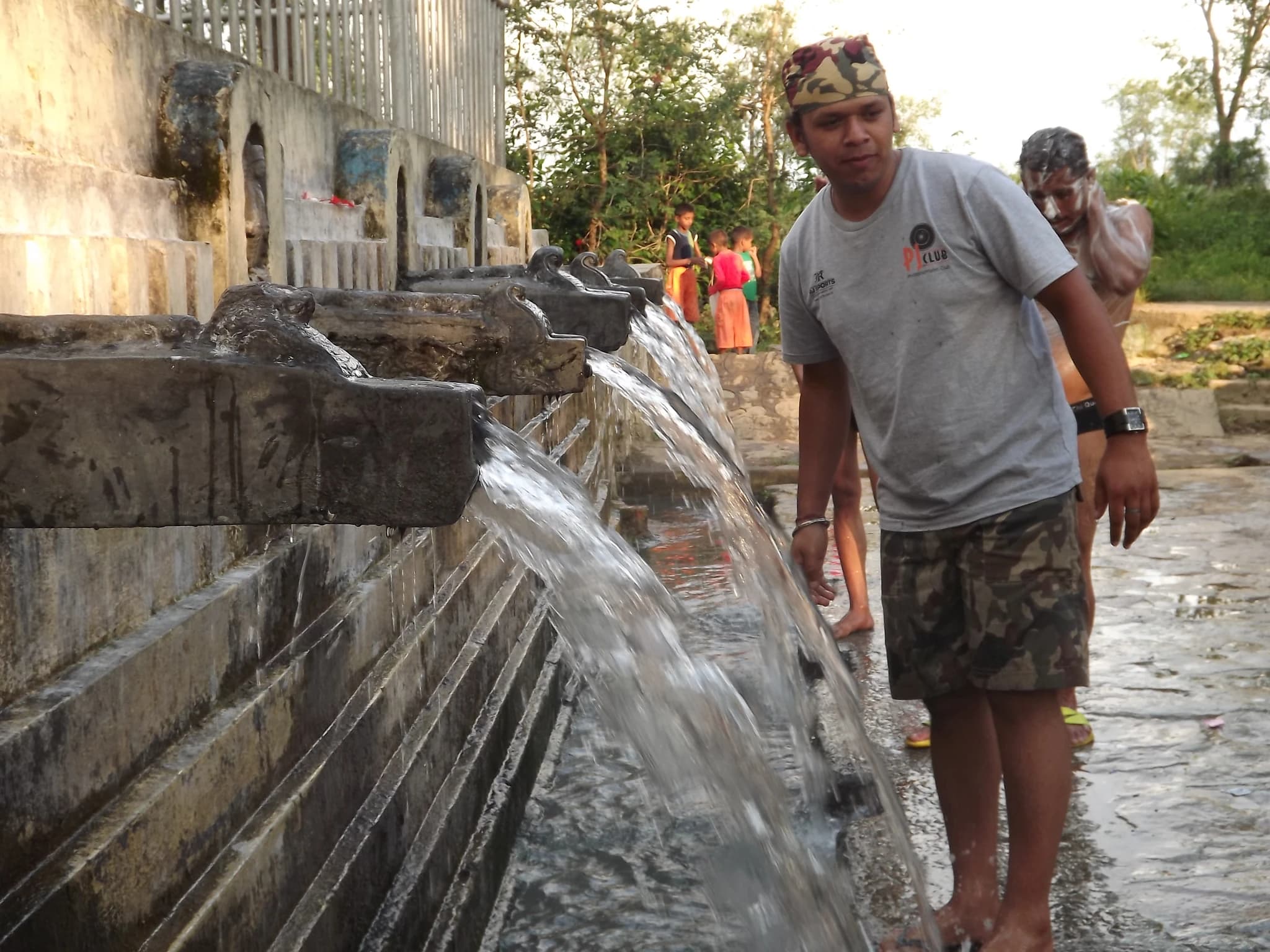
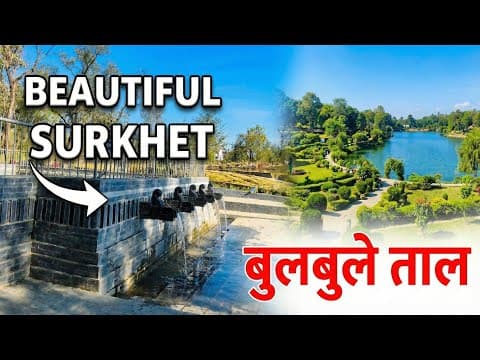
Bulbule Lake (बुलबुले ताल तथा पर्या-पर्यटन पार्क), located in Birendranagar Municipality-10, is Surkhet's most iconic natural landmark and recreational eco-park, eternally celebrated across Nepal through the classic folk song 'Surkhetma Bulbule Taal...'. Spanning approximately 28 bighas, the park derives its name from the continuous, natural underground freshwater springs that bubble ('bulbule') up through the subterranean gravel beds to feed the lake. The site has been developed into a scenic urban wetland and botanical sanctuary featuring an expansive boating lake where visitors can paddle across calm waters, traditional stone water spouts (dhunge dhara) flowing with pure artesian spring water, manicured flower gardens, and shaded picnic groves. Serving as the social and ecological heart of the provincial capital, Bulbule Lake is an essential stop for families, travelers acclimating in Birendranagar, and nature lovers seeking relaxed afternoon strolls along weeping willow trees and lotus pools with sweeping views of the surrounding Surkhet hills.
Bulbule Lake (बुलबुले ताल तथा पर्या-पर्यटन पार्क), located in Birendranagar Municipality-10, is Surkhet's most iconic natural landmark and recreational eco-park, eternally celebrated across Nepal through the classic folk song 'Surkhetma Bulbule Taal...'. Spanning approximately 28 bighas, the park derives its name from the continuous, natural underground freshwater springs that bubble ('bulbule') up through the subterranean gravel beds to feed the lake. The site has been developed into a scenic urban wetland and botanical sanctuary featuring an expansive boating lake where visitors can paddle across calm waters, traditional stone water spouts (dhunge dhara) flowing with pure artesian spring water, manicured flower gardens, and shaded picnic groves. Serving as the social and ecological heart of the provincial capital, Bulbule Lake is an essential stop for families, travelers acclimating in Birendranagar, and nature lovers seeking relaxed afternoon strolls along weeping willow trees and lotus pools with sweeping views of the surrounding Surkhet hills.
2 available
1 available
YouTube
A Day at Bulbule Taal Surkhet | Beautiful Garden and Water Spouts | Fazal Vlogs
Discover More

The Bheri River Rafting Corridor (भेरी नदी जलयात्रा तथा साहसिक करिडोर), traversing the rugged southern canyons of Surkhet District across Bheriganga, Gurbhakot, and Barahatal municipalities, is celebrated internationally as one of Nepal's finest multi-day white-water river adventures and sport angling destinations. Originating high in the glaciated ridges of the Dhaulagiri and Kanjiroba massifs, the Bheri River carves through untamed subtropical valleys, towering limestone bluffs, pristine sal forests, and expansive white sand beaches before uniting with the Karnali River at Kuneghat. The Surkhet section features thrilling Class III and Class IV rapids interspersed with gentle, glassy turquoise pools ideal for beginner and experienced rafters, kayakers, and wilderness campers alike. In addition to exhilarating white-water navigation, the Bheri River is globally acclaimed as a prime habitat for the endangered Golden Mahseer (Tor putitora), attracting catch-and-release sport anglers from around the world. Multi-day river expeditions offer secluded riverside wilderness camping under starlit skies, canyon birdwatching (including endangered river lapwings and fish eagles), and an intimate look at the indigenous fishing lifestyles of the Raji and Majhi river communities.

Deuti Bajai Temple (देउती बज्यै मन्दिर), situated in Birendranagar Municipality-11, is the foremost historic Hindu pilgrimage temple and spiritual guardian shrine of Surkhet District and the wider Bheri river valley. Dedicated to Goddess Deuti Bajai, a revered manifestation of Goddess Durga/Bhagwati, the temple is steeped in ancient folklore dating back to the Khas kingdom era. According to regional legend, the shrine was originally consecrated around a holy self-manifested stone discovered along the Bheri riverbanks by the indigenous Raji people—an ancient semi-nomadic riverine tribe of western Nepal—who served as the shrine's hereditary priests and protectors for centuries. Devotees from across Karnali, Lumbini, and Sudurpashchim provinces visit the temple to offer worship, seek blessings for fulfillment of personal vows, and pray for safe journeys before embarking along the arduous mountain highways toward Jumla, Rara, and Dolpa. The temple precinct buzzes with devotional fervor during Sharadiya Navaratri and Chaitra Dashain, when thousands gather to witness traditional animal rituals, ceremonial drumming, and sacred offerings in its verdant red-brick courtyards.

Kakre Bihar (काँक्रेविहार), situated atop a forested hillock in Birendranagar Municipality-11, is a monumental 12th-century archaeological masterpiece celebrated as the 'Lumbini of Western Nepal' and the premier cultural heritage landmark of Karnali Province. Constructed during the zenith of the medieval Khas-Malla Empire under King Krachalla and his successors, Kakre Bihar originally stood as an extraordinary syncretic Shikhara-style stone temple and Buddhist monastic complex. Discovered in ruins in the late 20th century, the monument was meticulously excavated and reassembled by the Department of Archaeology using anastylosis, re-erecting hundreds of original hand-carved stone blocks adorned with intricate bas-relief carvings of Gautama Buddha, Bodhisattvas, Saraswati, and Hindu deities alongside floral friezes. The temple is ensconced within a peaceful 175-hectare protected biodiversity forest reserve where spotted deer, barking deer, wild boars, and diverse sub-tropical birdlife roam freely under dense sal canopies. Located just five kilometers south of central Birendranagar, Kakre Bihar offers travelers an inspiring blend of deep archaeological history, sacred art, and tranquil woodland walking trails.

Aalital is the largest natural freshwater lake in Dadeldhura District, situated at an elevation of 800 metres in the verdant southern foothills of the Mahabharat range in Ward 3 of Aalital Rural Municipality. Spanning approximately 1,175 metres in length, 400 metres in width, and depths reaching up to 22 metres, the expansive natural water body is cradled within dense subtropical sal, pine, and mixed deciduous forests. Famed for its pristine natural serenity, avian biodiversity, and scenic reflections of the surrounding hills, Aalital has emerged as a premier eco-tourism destination equipped with community paddle boating facilities, lakeshore nature trails, a lakeside suspension bridge, a scenic viewing tower, and the revered local shrine of Sameji Devata on its forested banks.

Andha-Andhi Daha (अन्धा-अन्धी दह), also revered as Shravan Kumar Pokhari, is a sacred natural alpine lake and wetland situated in Aandhikhola Rural Municipality Ward 2 (Chilaunebas) of northern Syangja. Located at an altitude of approximately 1,750 meters in the verdant foothills south of the Panchase protected forest, this tranquil lake is deeply embedded in Hindu mythology as the legendary origin spring of the holy Aandhikhola river. According to the ancient Ramayana epic, when the dutiful son Shravan Kumar was mistakenly struck by King Dasharatha's hunting arrow while drawing water for his thirsty blind parents, the grief-stricken hermits cursed the king and wept inconsolably until their demise. Sacred folklore holds that the perennial springs of Andha-Andhi Daha were formed from the endless tears of the devoted blind parents, and that the waters flowing from the pond gave birth to the tears-river, the Aandhikhola. A dedicated shrine and memorial statue of Shravan Kumar carrying his elderly parents in woven baskets commemorate this immortal tale of filial devotion. The lake is enveloped by pristine rhododendron, oak, and pine woodlands rich in diverse birdlife, medicinal flora, and wild orchids. Its peaceful, reflective surface mirrors towering mossy trees and crisp blue skies, offering an atmosphere of serene contemplation. The site serves as a scenic eco-tourism and cultural retreat, accessible via hiking trails from Panchase or rural motorable roads connecting Aandhikhola with the Siddhartha Highway corridor.

Known as one of Siraha's peaceful natural lakes, Baba Taal is a serene destination surrounded by lush greenery and the tranquil landscapes of the eastern Terai. Revered by local communities, the lake is associated with spiritual beliefs and is named after a respected holy figure, giving it both cultural and religious significance. Its calm waters provide a refreshing escape for visitors seeking peace, while the surrounding trees and open spaces create an ideal setting for picnics, leisurely walks, and relaxation. The lake also supports a variety of local birds and aquatic life, making it an attractive spot for birdwatching and nature photography. Early mornings and evenings offer especially beautiful reflections on the water, with sunrise and sunset adding to the lake's scenic charm. Throughout the year, local visitors gather here for recreation, worship, and community celebrations, preserving the area's cultural importance. Whether you're looking to unwind in nature, capture stunning photographs, or experience one of Siraha's hidden gems, Baba Taal offers a calm and memorable retreat.