YouTube
Open YouTube
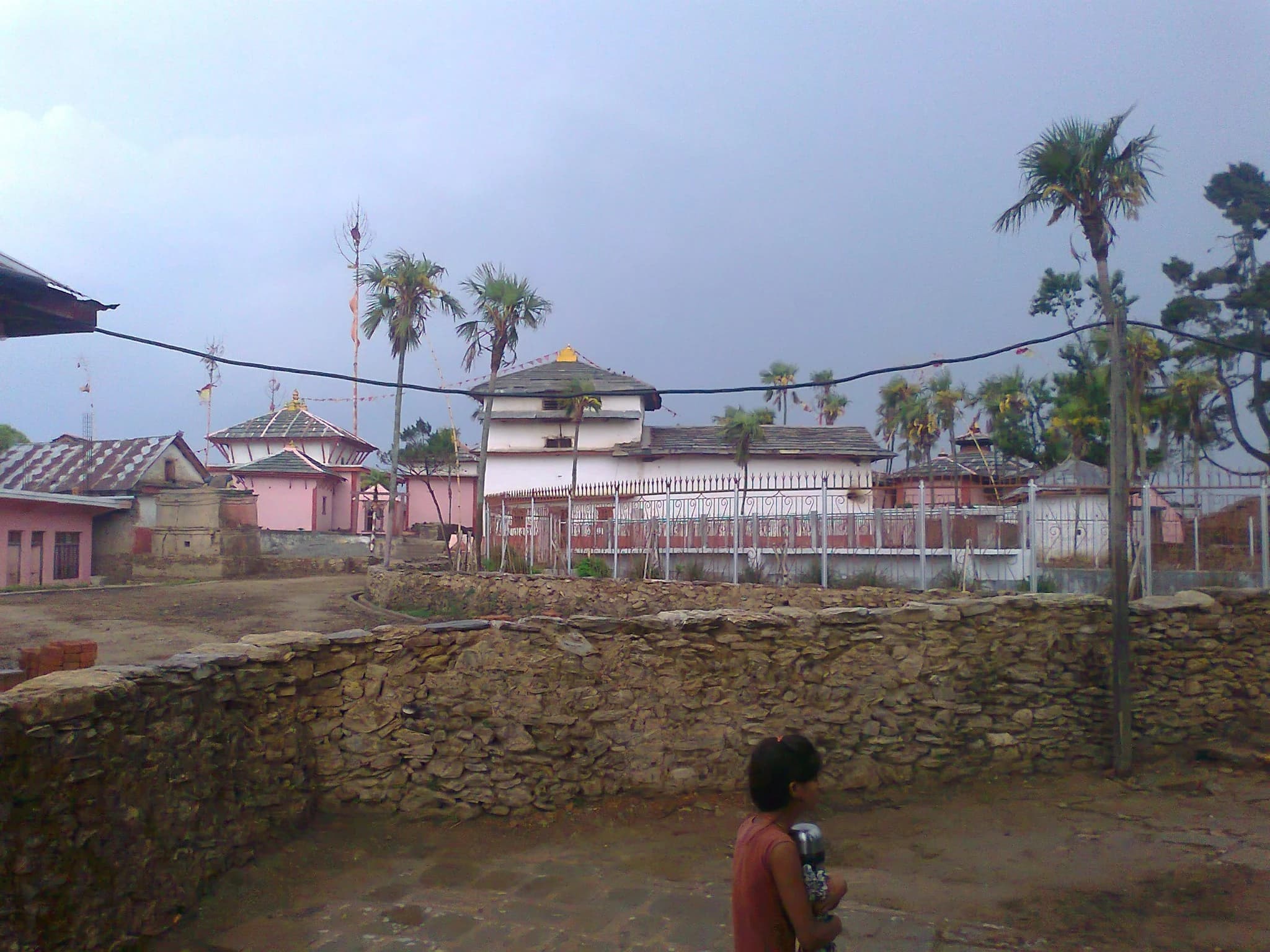
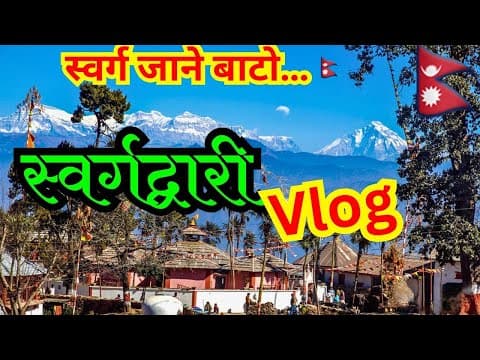
Swargadwari Temple and Tapobhumi (स्वर्गद्वारी तपोभूमि तथा महाप्रभु मन्दिर), situated atop a sacred panoramic mountain ridge at an elevation of 2,040 meters in Swargadwari Municipality Ward 2, is one of the most venerable and celebrated Hindu pilgrimage sanctuaries in Nepal. According to ancient mythological traditions and regional lore, this holy peak—literally translating to the 'Gateway to Heaven' (Swarga-dwari)—was the sanctified meditation ground where King Bharat renounced worldly power, and where the five Pandava brothers performed their final earthly rites before ascending to the celestial realms in the Mahabharata epoch. In 1952 BS (1895 CE), the sacred ascetic hermitage was revived by the saintly hermit Swami Sachchidananda Saraswati, revered nationwide as Mahaprabhu Swami Hamsananda (Bal Tapaswi). The Mahaprabhu established the perpetual Akhanda Mahayagya, a sacred Vedic sacrificial fire fed with pure clarified butter (ghee) that has burned continuously without interruption for over 130 years. The sprawling hilltop complex encompasses the central Yagyashala sacrificial pavilion, the ancient meditation cave (Gupha) where the Mahaprabhu spent decades in spiritual contemplation, a grand Goshala (cow sanctuary) sheltering hundreds of indigenous cows, and a traditional Sanskrit Veda Vidyalaya preserving ancient Vedic recitation. From the open temple terraces, pilgrims and travelers are treated to awe-inspiring panoramic vistas of the Himalayan giants—stretching across Dhaulagiri, Annapurna, and Manaslu—alongside breathtaking sunrises rising over the mid-hill valleys. Drawing hundreds of thousands of pilgrims annually from across Nepal and India, especially during Baisakh Purnima, Kartik Purnima, and Maghe Sankranti, Swargadwari remains an immortal beacon of Vedic spirituality and Himalayan tranquility.
Swargadwari Temple and Tapobhumi (स्वर्गद्वारी तपोभूमि तथा महाप्रभु मन्दिर), situated atop a sacred panoramic mountain ridge at an elevation of 2,040 meters in Swargadwari Municipality Ward 2, is one of the most venerable and celebrated Hindu pilgrimage sanctuaries in Nepal. According to ancient mythological traditions and regional lore, this holy peak—literally translating to the 'Gateway to Heaven' (Swarga-dwari)—was the sanctified meditation ground where King Bharat renounced worldly power, and where the five Pandava brothers performed their final earthly rites before ascending to the celestial realms in the Mahabharata epoch. In 1952 BS (1895 CE), the sacred ascetic hermitage was revived by the saintly hermit Swami Sachchidananda Saraswati, revered nationwide as Mahaprabhu Swami Hamsananda (Bal Tapaswi). The Mahaprabhu established the perpetual Akhanda Mahayagya, a sacred Vedic sacrificial fire fed with pure clarified butter (ghee) that has burned continuously without interruption for over 130 years. The sprawling hilltop complex encompasses the central Yagyashala sacrificial pavilion, the ancient meditation cave (Gupha) where the Mahaprabhu spent decades in spiritual contemplation, a grand Goshala (cow sanctuary) sheltering hundreds of indigenous cows, and a traditional Sanskrit Veda Vidyalaya preserving ancient Vedic recitation. From the open temple terraces, pilgrims and travelers are treated to awe-inspiring panoramic vistas of the Himalayan giants—stretching across Dhaulagiri, Annapurna, and Manaslu—alongside breathtaking sunrises rising over the mid-hill valleys. Drawing hundreds of thousands of pilgrims annually from across Nepal and India, especially during Baisakh Purnima, Kartik Purnima, and Maghe Sankranti, Swargadwari remains an immortal beacon of Vedic spirituality and Himalayan tranquility.
3 available
2 available
YouTube
Open YouTube

YouTube
Open YouTube
Discover More

Gaumukhi Religious Cave and River Origin (गौमुखी पवित्र गुफा तथा झिमरुक मुहान), nestled in the rugged high-altitude forested mountains of Gaumukhi Rural Municipality Ward 6 (Pujar/Arkha) at an elevation of approximately 2,450 meters, is northern Pyuthan's supreme natural landmark and sacred spiritual fountainhead. Gaumukhi is universally venerated as the holy origin of the Jhimruk River (historically known in sacred Sanskrit texts as the Dharmawati). Here, crystal-clear glacial and mountain springs emanate miraculously from a natural rock formation sculpted by centuries of mineral-rich water into the uncanny shape of a sacred cow's face and mouth (*Gaumukhi*). Directly adjacent to the sacred springs lies the celebrated Gaumukhi Cave, a deep natural limestone karst cavern extending into the mountainside. The cavern interior features an intricate labyrinth of subterranean chambers adorned with natural stalactites, stalagmites resembling Shiva Lingams, natural rock altars, and perpetually dripping holy waters. Surrounded by pristine biodiversity-rich forests of rhododendron, oak, and deodar, Gaumukhi offers sweeping vistas of the northern high hills bordering Rolpa and Baglung. The site is a revered destination for ascetics, pilgrims, and nature trekkers who undertake mountain walks to bathe in the purifying headwaters and receive blessings at the cave shrine, particularly during the festive celebrations of Maghe Sankranti, Shivaratri, and Baisakh Purnima.

Alamdevi Temple (आलमदेवी मन्दिर), situated in Lasargha within Kaligandaki Rural Municipality Ward 3 of Syangja District, is one of the most historically significant and sacred pilgrimage shrines in western Nepal. Venerated as the ancestral tutelary deity (Kuldevi) of the Shah kings of Nepal, the shrine traces its spiritual origin back over seven centuries. According to historical chronicles, when Prince Mincha Khan and his descendants established the principality of Nuwakot in Syangja and later expanded toward Kaski and Lamjung, Alamdevi was established as their protective sovereign deity. To this day, royal priests and state representatives continue to conduct solemn rituals here during major national festivals. A fascinating and distinctive ritual feature of Alamdevi is its open-air architecture and priestcraft tradition. Unlike typical multi-tiered Hindu pagodas, the main sanctum is a subterranean, roofless pit covered by stone and sacred sal trees, where the deity is worshipped as a hidden divine force. Furthermore, in an enduring testament to historic syncretism between the hill Magar populace and the ruling dynasty, the chief officiating priests (pujaris) belong strictly to the Rana Magar clan. Only the appointed Magar priest is permitted to enter the inner sanctum to perform esoteric Vedic-Tantric rituals and offer daily oblations. Perched on a forested hill overlooking the sweeping bends of the Kali Gandaki valley, Alamdevi attracts tens of thousands of pilgrims, particularly during Chaitra Dashain and the autumn Bada Dashain festivals. Devotees visit from across Nepal and India to seek blessings for protection, courage, and prosperity. The shrine is accessible via a motorable road branching off from the Siddhartha Highway at Waling or Galyang through scenic rural ridgelines.

Amar Narayan Temple (अमर नारायण मन्दिर), situated in Tansen Municipality Ward 3 of Palpa District, is a masterpiece of early 19th-century pagoda architecture and classical Nepali woodcarving. Commissioned in 1806 AD (1863 BS) by General Amar Singh Thapa, the legendary Gorkhali military commander and hero of the Anglo-Nepal War during his tenure as governor of Palpa, the temple was dedicated to Lord Vishnu. The structure is built in classical triple-roofed pagoda style, distinguished by intricate wooden roof struts embellished with erotic carvings and depictions of Hindu deities, rivaling the artistic brilliance of Kathmandu Valley artisans. The temple is encircled by a high stone perimeter wall known locally as the 'Great Wall of Tansen', preserving an inner courtyard paved with flagstones and blessed by natural cold-water perennial stone spouts (Dhunge Dhara). Devotees from throughout the hill districts visit Amar Narayan Temple during Haribodhini Ekadashi and Janmashtami, admiring its serene historic ambiance and classical architectural elegance.

Ambikeshwari Bhagwati Temple (अम्बिकेश्वरी भगवती मन्दिर), gracefully situated along the tranquil banks of the Sechha (Katuwa) River in Ambabali within Ghorahi Sub-Metropolitan City-19, is the premier Shaktipeeth and supreme mother-goddess pilgrimage sanctuary of the Dang Valley. Celebrated in regional scriptures and Hindu lore as one of the 51 sacred Shaktipeeths, legend recounts that the right ear (*Karna*) of Sati Devi fell at this consecrated spot while Lord Shiva roamed the cosmos carrying her physical form. The temple houses an aniconic natural rock shrine representing the divine feminine energy, embellished with sacred silver plating, gilded ornaments, and traditional tridents. The pagoda-style main temple is complemented by subsidiary shrines dedicated to Lord Ganesh, Bhairav, and Shiva, all surrounded by sprawling banyan and peepal trees providing cool shade. During Navaratri, Dashain, and Chaite Dashain, Ambikeshwari becomes the vibrant focal point of western Nepal's religious life, echoing with sacred Vedic hymns, devotional *bhajan-kirtan*, and traditional panche baja music. Pilgrims from Dang, Pyuthan, Rolpa, Banke, and cross-border regions visit to seek blessings for protection, prosperity, and spiritual fulfillment.

Known as one of Jhapa's most sacred religious destinations, Arjundhara Jaleshwor Dham is a revered Hindu pilgrimage site famous for its naturally flowing water spring and ancient Shiva temple. According to local legend, the spring was created when Arjuna, one of the Pandava brothers from the Mahabharata, struck the ground with his arrow to provide water, giving the place its name "Arjundhara." Devotees believe the holy spring possesses spiritual significance and visit throughout the year to offer prayers and seek blessings from Lord Shiva. The temple complex is surrounded by lush greenery, peaceful ponds, and beautifully maintained gardens, creating a calm and refreshing atmosphere for visitors. During Maha Shivaratri and other Hindu festivals, thousands of pilgrims gather here to celebrate with great devotion and cultural enthusiasm. The blend of mythology, natural beauty, and religious heritage makes the site one of eastern Nepal's most cherished landmarks. Whether you're exploring its fascinating legends, experiencing its spiritual ambiance, or enjoying the tranquil surroundings, Arjundhara Jaleshwor Dham offers a memorable journey into Nepal's rich cultural and religious traditions.

Badimalika Temple (बडीमालिका मन्दिर) is the supreme Hindu Shaktipeeth and spiritual summit of Far-Western Nepal, situated on an isolated mountain crag at an elevation of 4,214 metres on the border of Bajura and Kalikot districts. According to classical Hindu mythology, following the self-immolation of Sati Devi at Daksha Prajapati's sacrificial fire, Lord Shiva wandered across the universe carrying her body; her left shoulder (Baahu) is believed to have fallen on this high Himalayan ridge, sanctifying the peak as the eldest ('Jethi') Shakti shrine of the region. The temple hosts one of Nepal's most revered annual pilgrimages during Janai Purnima (Bhadra Shukla Chaturdashi), drawing tens of thousands of devotees, ascetics, and shamans (Dhamis) from across Karnali, Sudurpashchim, and northern India. A ceremonial state procession (Sarkari Doli) bearing official silver parasols (chhatra) and traditional musical instruments ascends from Doti, Jumla, Kalikot, and Martadi to perform ancient state-sponsored rituals at the summit shrine. The journey to Badimalika is a demanding wilderness trek requiring three to five days of self-sufficient foot travel across steep ridge trails, through dwarf rhododendron copses, and over vast alpine grazing meadows. From the stone temple platform adorned with thousands of consecrated brass bells and iron tridents (trishuls), visitors are treated to an uninterrupted 360-degree panorama of Mount Saipal, Mount Api, the Kanjirowa massif, and the rolling green carpets of the surrounding 22 Patans. Because no permanent settlement exists above 3,000 metres, pilgrims camp in tented settlements or temporary stone shelters, braving thin air, sudden mountain squalls, and chilly alpine nights.