YouTube
Open YouTube
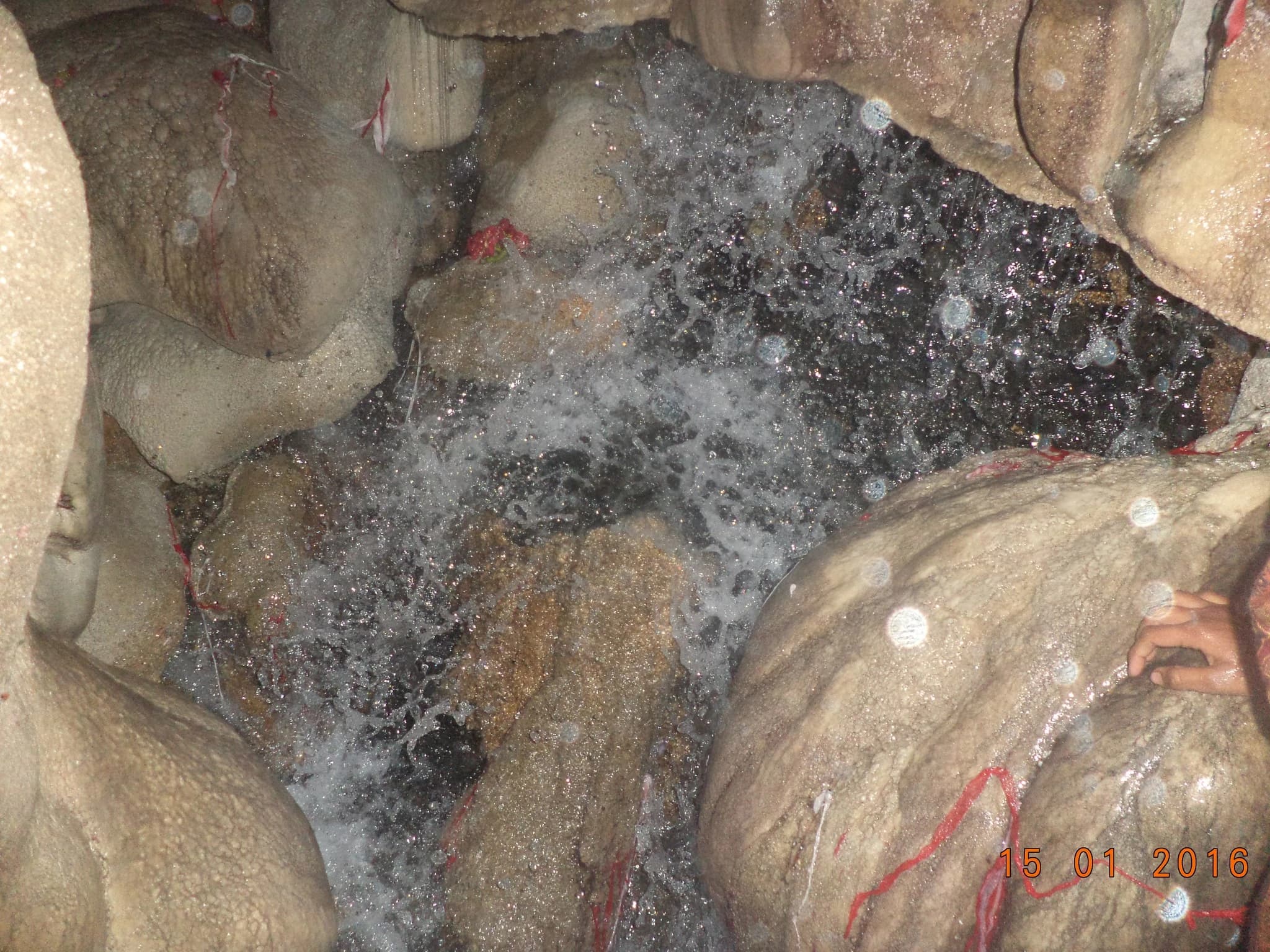
Gaumukhi Religious Cave and River Origin (गौमुखी पवित्र गुफा तथा झिमरुक मुहान), nestled in the rugged high-altitude forested mountains of Gaumukhi Rural Municipality Ward 6 (Pujar/Arkha) at an elevation of approximately 2,450 meters, is northern Pyuthan's supreme natural landmark and sacred spiritual fountainhead. Gaumukhi is universally venerated as the holy origin of the Jhimruk River (historically known in sacred Sanskrit texts as the Dharmawati). Here, crystal-clear glacial and mountain springs emanate miraculously from a natural rock formation sculpted by centuries of mineral-rich water into the uncanny shape of a sacred cow's face and mouth (*Gaumukhi*). Directly adjacent to the sacred springs lies the celebrated Gaumukhi Cave, a deep natural limestone karst cavern extending into the mountainside. The cavern interior features an intricate labyrinth of subterranean chambers adorned with natural stalactites, stalagmites resembling Shiva Lingams, natural rock altars, and perpetually dripping holy waters. Surrounded by pristine biodiversity-rich forests of rhododendron, oak, and deodar, Gaumukhi offers sweeping vistas of the northern high hills bordering Rolpa and Baglung. The site is a revered destination for ascetics, pilgrims, and nature trekkers who undertake mountain walks to bathe in the purifying headwaters and receive blessings at the cave shrine, particularly during the festive celebrations of Maghe Sankranti, Shivaratri, and Baisakh Purnima.
Gaumukhi Religious Cave and River Origin (गौमुखी पवित्र गुफा तथा झिमरुक मुहान), nestled in the rugged high-altitude forested mountains of Gaumukhi Rural Municipality Ward 6 (Pujar/Arkha) at an elevation of approximately 2,450 meters, is northern Pyuthan's supreme natural landmark and sacred spiritual fountainhead. Gaumukhi is universally venerated as the holy origin of the Jhimruk River (historically known in sacred Sanskrit texts as the Dharmawati). Here, crystal-clear glacial and mountain springs emanate miraculously from a natural rock formation sculpted by centuries of mineral-rich water into the uncanny shape of a sacred cow's face and mouth (*Gaumukhi*). Directly adjacent to the sacred springs lies the celebrated Gaumukhi Cave, a deep natural limestone karst cavern extending into the mountainside. The cavern interior features an intricate labyrinth of subterranean chambers adorned with natural stalactites, stalagmites resembling Shiva Lingams, natural rock altars, and perpetually dripping holy waters. Surrounded by pristine biodiversity-rich forests of rhododendron, oak, and deodar, Gaumukhi offers sweeping vistas of the northern high hills bordering Rolpa and Baglung. The site is a revered destination for ascetics, pilgrims, and nature trekkers who undertake mountain walks to bathe in the purifying headwaters and receive blessings at the cave shrine, particularly during the festive celebrations of Maghe Sankranti, Shivaratri, and Baisakh Purnima.
1 available
2 available
YouTube
Open YouTube
YouTube
Open YouTube
Discover More

Swargadwari Temple and Tapobhumi (स्वर्गद्वारी तपोभूमि तथा महाप्रभु मन्दिर), situated atop a sacred panoramic mountain ridge at an elevation of 2,040 meters in Swargadwari Municipality Ward 2, is one of the most venerable and celebrated Hindu pilgrimage sanctuaries in Nepal. According to ancient mythological traditions and regional lore, this holy peak—literally translating to the 'Gateway to Heaven' (Swarga-dwari)—was the sanctified meditation ground where King Bharat renounced worldly power, and where the five Pandava brothers performed their final earthly rites before ascending to the celestial realms in the Mahabharata epoch. In 1952 BS (1895 CE), the sacred ascetic hermitage was revived by the saintly hermit Swami Sachchidananda Saraswati, revered nationwide as Mahaprabhu Swami Hamsananda (Bal Tapaswi). The Mahaprabhu established the perpetual Akhanda Mahayagya, a sacred Vedic sacrificial fire fed with pure clarified butter (ghee) that has burned continuously without interruption for over 130 years. The sprawling hilltop complex encompasses the central Yagyashala sacrificial pavilion, the ancient meditation cave (Gupha) where the Mahaprabhu spent decades in spiritual contemplation, a grand Goshala (cow sanctuary) sheltering hundreds of indigenous cows, and a traditional Sanskrit Veda Vidyalaya preserving ancient Vedic recitation. From the open temple terraces, pilgrims and travelers are treated to awe-inspiring panoramic vistas of the Himalayan giants—stretching across Dhaulagiri, Annapurna, and Manaslu—alongside breathtaking sunrises rising over the mid-hill valleys. Drawing hundreds of thousands of pilgrims annually from across Nepal and India, especially during Baisakh Purnima, Kartik Purnima, and Maghe Sankranti, Swargadwari remains an immortal beacon of Vedic spirituality and Himalayan tranquility.

Ajayamerukot is a monumental medieval archaeological citadel and palace complex established in the 13th to 14th century CE as the royal winter capital of the Katyuri and Doti Rainka Kings. Perched defensively atop an isolated mountain spur in Ward 2 of Ajaymeru Rural Municipality at an altitude of 1,313 metres, the site is bordered on three sides by sheer ravines carved by the Chamdola and Baunera streams. The extensive archaeological precinct preserves the foundation platforms of a multi-tiered stone royal palace, expansive paved courtyards, an assembly hall (Baithak), carved Shikhara-style stone dewals, and defensive ramparts. An exceptional architectural marvel of the site is the subterranean Rani Naula (रानी नाउला), an intricately dressed stone step-well featuring arched corridors and classical Katyuri decorative friezes. Recognized as an official Department of Archaeology monument under ID NP-DD-04 and nominated on Nepal's UNESCO World Heritage Tentative List, Ajayamerukot stands as one of the most significant medieval monarchical complexes in the Himalayas.

Alapeshwar Cave (locally known as Alpeswor Gupha or Alapu Cave), nestled within the forested hills of Kusma Municipality Ward 7 near Gyadichaur and the Silmi forest corridor, is an extraordinary natural speleological cave network in Parbat District. Discovered in recent decades by local community members, the cave extends several hundred metres into subterranean limestone bedrock, offering an intriguing subterranean exploration destination for eco-tourists and adventure travelers. The interior of Alapeshwar Cave features multiple natural limestone chambers linked by winding rock corridors. Over tens of thousands of years, mineral-rich seepage water has sculpted spectacular calcite formations, including delicate stalactites hanging from cavern ceilings, massive stalagmites rising from the floor, flowstone curtains, and crystalline rock terraces. In several chambers, clear subterranean spring water flows over the smooth limestone floor, creating natural underground wading pools and tranquil echo chambers. Local development committees have installed solar-powered illumination along the main walking galleries, safe metal ladders, and protective handrails to facilitate visitor access without disturbing the delicate cave ecology and resident microbat colonies. Unlike heavily visited commercial caves, Alapeshwar retains a raw, uncommercialized subterranean ambiance that rewards curious travelers exploring the diverse canyon landscape of Kushma.

Amargadhi Fort is a monumental late 18th-century stone military fortification perched at an elevation of 1,901 metres along the crest of the Mahabharat range in Khalanga, Dadeldhura. Constructed in 1790 CE (1847 BS) by Gorkhali Commander Bada Kaji Amar Singh Thapa following the unification of the Far-Western hill principalities, the citadel commanded vital strategic mountain trade and troop routes between Doti, Kumaon, and the Mahakali basin. Enclosed by massive stone bastion ramparts punctuated with defensive cannon embrasures, the inner fortress encompasses twenty-two subterranean vaulted chambers that served as troop barracks and munitions depots, a central Kotghar armory, and a shrine dedicated to Ugra Bhairav. Cataloged under Department of Archaeology monument identification NP-DD-08, the citadel offers sweeping panoramic vistas across the terraced valleys and surrounding pine-clad ridges.

Argha Bhagwati Temple and Durbar (अर्घा भगवती मन्दिर तथा ऐतिहासिक अर्घा दरबार), majestically crowning the prominent Arghakot hilltop ridge at an elevation of 1,720 meters in Sandhikharka Municipality Ward 9, is the historic royal citadel and military fortress of the ancient Argha Kingdom—one of the influential Chaubisi principalities from which Arghakhanchi District derives half of its name. Established during the medieval period prior to Nepal's territorial unification, Argha Durbar functioned as an impregnable hill garrison commanding panoramic surveillance over the surrounding valleys. The site contains historic stone fortifications, the royal armory (Kot Ghar) preserving antique weapons, curved Khukuris, battle axes, and ceremonial bronze cannons from the 16th to 18th centuries, and the revered temple dedicated to Goddess Argha Bhagwati. The temple is renowned across western Nepal for its vibrant, centuries-old Dashain celebrations, particularly during Maha Navami and Vijaya Dashami, when traditional sword dances (Khadga Jatra), sacred animal sacrifices, and state military drum processions are conducted in accordance with ancient royal decrees. From the fort ramparts, visitors enjoy commanding vistas stretching across the verdant Sandhikharka river valley to the south and the snowy peaks of Dhaulagiri and Annapurna to the north.

Bandipur is a living open-air museum of traditional Newari architecture and culture, perched gracefully on an isolated hilltop ridge at an elevation of 1,030 metres in Tanahun District. Established in the late 18th century as an affluent trading post by Newar merchants from Bhaktapur along the India-Tibet commerce route, Bandipur has preserved its exquisite medieval character with exceptional fidelity. The town's heart is a wide, stone-paved central bazaar completely closed to vehicular traffic, lined on both sides by handsome four-story brick townhouses featuring neoclassical facades, carved wooden struts, and open slate-roofed porticoes. Cascading bougainvillea vines and vibrant cafes spill out onto the flagstone avenue, creating an ambiance reminiscent of a Mediterranean hill village fused with classical Newar heritage. From the edge of the ridge at Tudikhel (a historic parade ground), travelers are greeted by an amphitheater of Himalayan giants spanning Dhaulagiri (8,167m), Annapurna I (8,091m), Machhapuchhre (6,993m), Manaslu (8,163m), and Ganesh Himal. With its quiet walking trails, boutique heritage guesthouses, and absence of motor noise, Bandipur represents one of Nepal's most tranquil and culturally authentic destinations.