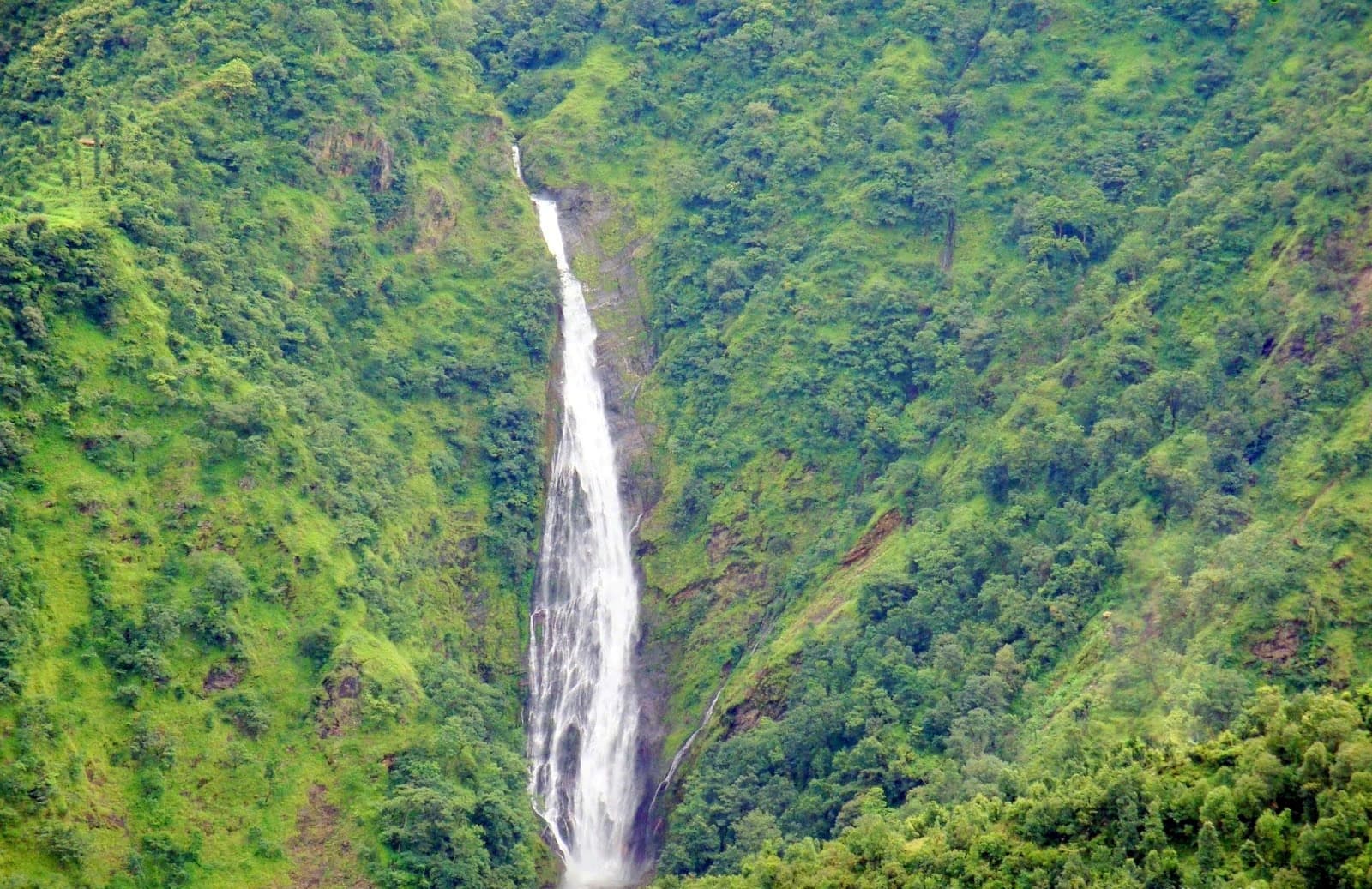
Sunchhahari Waterfall
Sunchhahari Waterfall (सुनछहरी झरना / सुनछहरी छाँगा), also known locally as Bibang Falls, is widely celebrated as the tallest and most spectacular natural waterfall in Rolpa District and the wider Rapti hill zone, cascading down rocky cliffs with a vertical drop exceeding 200 meters. Nestled deep within the rugged pine-clad gorges between Harjung and Siuri in Sunchhahari Rural Municipality-4, this roaring cascade gives the entire local municipality its proud identity—'Sunchhahari', translating poetically to 'The Golden Waterfall' in tribute to the golden shimmering refraction created by morning sunlight striking its mist. The waterfall crashes into a deep natural plunge pool framed by sheer limestone rock faces, surrounded by wild sub-tropical mountain flora, suspension footbridges, and scenic riverside footpaths along the Lungri river system. Historically accessible only via arduous hill paths, Sunchhahari Waterfall is now an anchoring eco-tourism highlight along eastern Rolpa's nature corridors, drawing hikers, nature photographers, and adventurers exploring the scenic wilderness between Liwang and the southern foothills of Mount Jaljala.
Overview
Sunchhahari Waterfall (सुनछहरी झरना / सुनछहरी छाँगा), also known locally as Bibang Falls, is widely celebrated as the tallest and most spectacular natural waterfall in Rolpa District and the wider Rapti hill zone, cascading down rocky cliffs with a vertical drop exceeding 200 meters. Nestled deep within the rugged pine-clad gorges between Harjung and Siuri in Sunchhahari Rural Municipality-4, this roaring cascade gives the entire local municipality its proud identity—'Sunchhahari', translating poetically to 'The Golden Waterfall' in tribute to the golden shimmering refraction created by morning sunlight striking its mist. The waterfall crashes into a deep natural plunge pool framed by sheer limestone rock faces, surrounded by wild sub-tropical mountain flora, suspension footbridges, and scenic riverside footpaths along the Lungri river system. Historically accessible only via arduous hill paths, Sunchhahari Waterfall is now an anchoring eco-tourism highlight along eastern Rolpa's nature corridors, drawing hikers, nature photographers, and adventurers exploring the scenic wilderness between Liwang and the southern foothills of Mount Jaljala.
Photos
1 available
Discover More
Nearby Destinations in Rolpa & Region

Jaljala Mountain & Wetland
Jaljala Mountain and Wetland (जलजला डाँडा तथा सिमसार / धरमपानी), crowning the northern high ridges of Rolpa District at an elevation of 3,193 meters across the boundary zone of Rolpa Municipality, Sunchhahari, and Thabang, is the supreme ecological crown, trekking sanctuary, and spiritual summit of western Nepal's mid-hills. Known classically as 'Ghamandi Pahad' (The Proud Mountain) and revered as an ancient ascetic tapobhumi, the vast high-altitude plateau encompasses expansive alpine pastures (*kharkas*), natural mountain wetlands, and sacred glacial tarns including Bhabisya Pokhari and Bhama Kunda. The high plateau is carpeted with pristine virgin rhododendron forests comprising dozens of distinct sub-species that burst into kaleidoscopic blooms every spring. At the spiritual heart of the summit stands the revered Kailu Baraha Temple, where thousands of pilgrims from Rolpa, Rukum, Baglung, and Pyuthan gather annually on the full moon of Jestha Purnima (May/June) to offer prayers, bells, and tridents for rainfall and pastoral abundance. From the wind-swept ridgeline, adventurers are rewarded with staggering, unhindered 360-degree panoramas of the Himalayan giants—stretching seamlessly across the Dhaulagiri massif, Mount Sisne (the virgin Matterhorn of Nepal), Gurja Himal, Annapurna, and Kanjiroba in the far north. As the crowning centerpiece of Nepal's legendary Guerilla Trek, Jaljala combines breathtaking wilderness trekking, rich biodiversity, and spiritual serenity.

Liwang Valley & Shivalaya Heritage
Liwang Valley and Shivalaya Heritage (लिवाङ उपत्यका तथा शिवालय सम्पदा), situated gracefully at an elevation of 1,320 meters in a picturesque mountain valley bowl at the confluence of the Gwalgwal and Liwang rivers, is the historic administrative, commercial, and cultural capital of Rolpa District. Encircled by pine-clad Mahabharat hills, terraced rice paddies, and traditional stone settlements, Liwang blends traditional mid-hill culture with lively regional commerce. At the spiritual center of the town stands the historic Shivalaya Temple precinct, dedicated to Lord Shiva, which serves as a vibrant focal point for local devotional gatherings and festive Shivaratri rituals. Paved stone pathways and scenic hillside ridge trails branch outwards from the valley floor, leading to commanding viewpoints such as Guranse and surrounding promontories that offer sweeping vistas across the entire Rolpa basin. As the primary logistical, cultural, and transit nexus of the district, Liwang is the indispensable gateway for trekkers embarking northward along the Guerilla Trek towards Jaljala Mountain and the Kham Magar homestays of Thabang. It offers travelers warm western Nepali hospitality, local artisan markets featuring traditional hand-woven radhi-pakhi woolens, and an authentic glimpse into everyday hill life in western Nepal.

Thabang Cultural Village
Thabang Cultural Village (थबाङ ऐतिहासिक तथा खाम मगर सांस्कृतिक गाउँ), nestled within a majestic natural mountain amphitheater at an elevation of 1,980 meters in northern Rolpa's Thabang Rural Municipality, is the ancestral social, architectural, and spiritual epicenter of the indigenous Northern Kham Magar ethnic nation. World-renowned for its architectural harmony, the settlement comprises hundreds of tightly clustered, multi-story rustic stone dwellings constructed from locally quarried dry masonry and roofed with hand-hewn grey slate slabs (*dhunge chhana*). The houses are stacked harmoniously along the contours of the hill slopes, linked by intricate cobblestone walkways, carved wooden balconies, and communal courtyards. Thabang preserves ancient shamanistic animist rituals, indigenous folklore, traditional hemp and nettle fiber weaving, and vibrant seasonal dance traditions—most notably the sacred Bhume Naach, Paisa Naach, and Singaru—celebrated with hypnotic madal drums and colorful native regalia. Beyond its profound anthropological significance, Thabang occupies an iconic chapter in contemporary Nepali political history as a fiercely self-reliant commune and the symbolic birthplace of modern sociopolitical movements. Today, having embraced peaceful community-based homestay tourism, Thabang warmly welcomes cultural researchers, trekkers traversing the Guerilla Trek, and heritage enthusiasts seeking an authentic encounter with Nepal's resilient mid-hill traditions.

Battise Waterfall
Hidden among the lush green hills of Panchthar, Battise Waterfall is a breathtaking natural attraction known for its crystal-clear cascading waters and tranquil surroundings. The waterfall tumbles gracefully through rocky cliffs, creating a refreshing escape for visitors seeking peace and natural beauty. Surrounded by dense forests and scenic landscapes, it is an ideal destination for photography, picnics, and short nature walks. During the monsoon season, the waterfall becomes even more spectacular as the increased water flow creates a powerful and mesmerizing sight. The journey to Battise Waterfall is equally rewarding, offering beautiful countryside views and a chance to experience the warm hospitality of local communities. Its calm atmosphere and unspoiled environment make it a perfect getaway for families and nature enthusiasts alike. Whether you're exploring Panchthar or searching for a hidden gem, Battise Waterfall promises a refreshing and memorable experience.

Chamje Waterfall
Chamje Waterfall, plunging powerfully down sheer granite cliffs at an elevation of 1,430 metres in Marsyangdi Rural Municipality Ward 4, is one of the most dramatic and awe-inspiring natural landmarks along the classic Annapurna Circuit trekking route in northern Lamjung. Situated directly across the Marshyangdi river gorge from the stone lodge settlement of Chamje, the waterfall thunders hundreds of vertical feet down a narrow vertical rock cleft, generating billowing clouds of cool mist that drift across the canyon. The waterfall is fed by perennial high-altitude glacial snowfields and pristine alpine streams descending from the eastern ridges of Lamjung Himal. As the torrent crashes over successive rock benches into a turbulent plunge pool at the gorge floor, it creates a sensational natural spectacle that captivates every traveler ascending the canyon. Geographically, Chamje Waterfall marks the dramatic natural gateway where the topography transitions from the green, terraced subtropical valleys of lower Lamjung into the steep, vertical-walled alpine gorges that lead toward Manang District. Trekkers cross dramatic steel suspension bridges slung high above the churning Marshyangdi river, taking rest at roadside viewpoints and tea stalls to photograph the tumbling waters set against soaring Himalayan cliffs.

Davis Falls
Davis Falls, locally known as Patale Chhango (The Nether Waterfall), is an extraordinary geological wonder located in Chhorepatan, southwest of Pokhara. Fed by the outflow of Phewa Lake through the Pardi Khola river, the waterfall crashes with roaring force into an immense subterranean cavern and completely disappears underground into an intricate limestone canyon. The underground torrent travels through subterranean tunnels for approximately 500 metres before re-emerging through the cave passages of Gupteshwor Mahadev across the road. The site gets its western moniker from an unfortunate 1961 incident involving a Swiss traveler named Davy, after which safety railings and tourist infrastructure were established around the viewing perimeter. The waterfall is at its most spectacular during and immediately following the summer monsoon (July to October), when swollen, sediment-rich waters plunge with thunderous reverberation into the depths. Well-maintained landscaped gardens, wishing ponds, and traditional cultural display zones surround the natural gorge.