YouTube
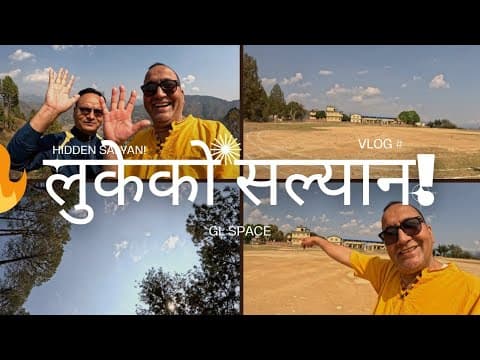
Salyan Khalanga Tour - Stunning Views & Peaceful Nature by GL SPACE
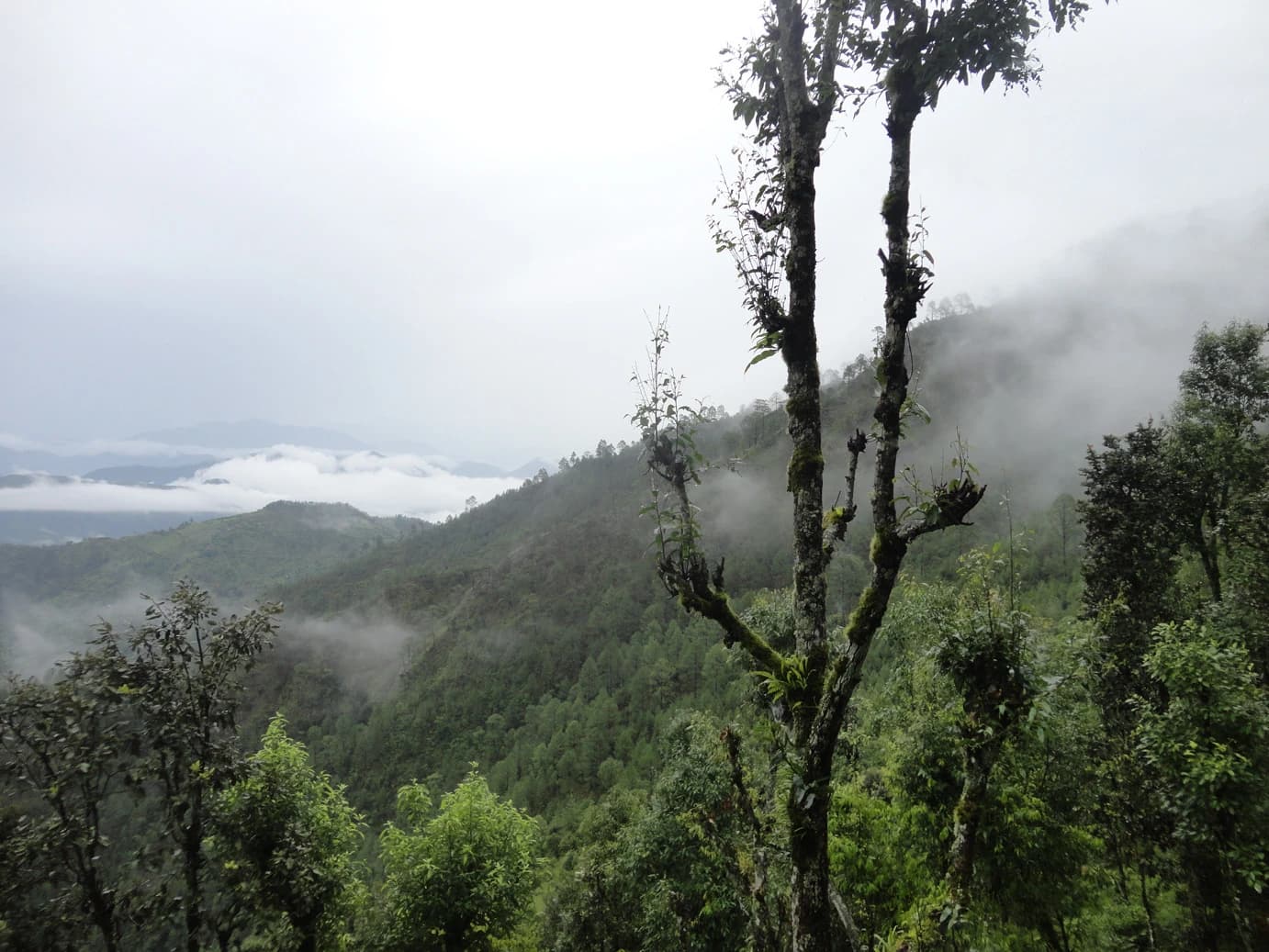
Salyan Khalanga (सल्यान खलङ्गा बजार तथा कोट) is the historic ridge-top capital of the medieval Salyani Kingdom, one of the prominent Baise Principalities (22 Kingdoms) established in the 14th–15th century by King Malayavarma. Perched along a dramatic knife-edge mountain ridge at an elevation of 1,530 meters, Khalanga played a pivotal role in the historical unification of Nepal through the royal marriage of Salyani King Ranabhim Shah to Princess Vilas Kumari, the daughter of King Prithvi Narayan Shah. During the Rana regime, Khalanga functioned as the formidable administrative 'Bada Gaunda' (regional gubernatorial seat) governing mid-western Nepal. It is also nationally renowned as the ancestral birthplace of the legendary Salyani Sirupate Khukuri, meticulously forged with high-carbon steel and graceful, slender curves by hereditary iron artisans. The ridge features the 150-year-old Kalika Temple, historic stone-paved alleys, traditional Newar-Khas merchant architecture, and panoramic viewpoints overlooking the Dhaulagiri and Sisne Himalayan ranges.
Salyan Khalanga (सल्यान खलङ्गा बजार तथा कोट) is the historic ridge-top capital of the medieval Salyani Kingdom, one of the prominent Baise Principalities (22 Kingdoms) established in the 14th–15th century by King Malayavarma. Perched along a dramatic knife-edge mountain ridge at an elevation of 1,530 meters, Khalanga played a pivotal role in the historical unification of Nepal through the royal marriage of Salyani King Ranabhim Shah to Princess Vilas Kumari, the daughter of King Prithvi Narayan Shah. During the Rana regime, Khalanga functioned as the formidable administrative 'Bada Gaunda' (regional gubernatorial seat) governing mid-western Nepal. It is also nationally renowned as the ancestral birthplace of the legendary Salyani Sirupate Khukuri, meticulously forged with high-carbon steel and graceful, slender curves by hereditary iron artisans. The ridge features the 150-year-old Kalika Temple, historic stone-paved alleys, traditional Newar-Khas merchant architecture, and panoramic viewpoints overlooking the Dhaulagiri and Sisne Himalayan ranges.
2 available
1 available
YouTube
Salyan Khalanga Tour - Stunning Views & Peaceful Nature by GL SPACE
Discover More

Chhayachhetra Temple (छायाँक्षेत्र / छत्रेश्वरी मन्दिर) is one of Nepal's most venerated and spiritually unique Shaktipeeths, located in Chhatreswari Rural Municipality in southern Salyan. Mentioned prominently in the sacred Swasthani Brata Katha and Shiva Purana, mythology recounts that while Lord Shiva was carrying the mortal body of Goddess Sati, her divine 'shadow' (Chhaya) and final earthly remnants fell at this sacred site. Chhayachhetra holds a singular distinction among Hindu Shakta sanctuaries: animal sacrifice is strictly forbidden. Instead, worship is conducted exclusively through Vedic hymns, flowers, sweets, and coconut offerings. The temple complex overlooks the scenic Sharada River gorge at an elevation of roughly 1,300 meters, encompassing the sacred Shankhamool (शंखमूल) river confluence below where thousands of devotees perform holy ablutions during Mahashivaratri and Navaratri. The temple is the spiritual and administrative namesake of Chhatreswari Rural Municipality.

Khairabang Bhuvaneshwari Bhagawati Temple (खैराबाङ भुवनेश्वरी मन्दिर) is a premier hilltop Shakti sanctuary perched atop a cool, forested ridge at an altitude of approximately 1,600 meters in Ward 11 of Sharada Municipality, Salyan. Regarded as one of the 51 sacred Shaktipeeths where divine remnants of Sati Devi fell, worship at Khairabang has been continuously recorded since 1480 BS. Historically patronized by the Shah dynasty, King Girvan Yuddha Bikram Shah and later King Mahendra officially issued royal seals (Lal Mohar) dedicating lands and daily puja rituals to Goddess Bhuvaneshwari. Rebuilt in traditional multi-tiered pagoda architecture, the temple is surrounded by ancient oak and rhododendron groves, commanding expansive views across the mid-western Mahabharat hills. The shrine draws massive congregations of devotees during Chaitra Dashain and Ashwin Navaratri seeking blessings of prosperity, courage, and spiritual fulfillment.

Kupinde Lake (कुपिण्डे दह), affectionately heralded as the 'Mini Rara' of Western Nepal, is a pristine natural freshwater lake nestled among dense sub-alpine pine and sal forests in Bangad Kupinde Municipality, Salyan. Situated at an altitude of approximately 1,120 meters and spanning an area of over 24 hectares, the lake is celebrated for its breathtaking emerald-green and turquoise waters, which naturally shift hues across changing seasons, rainfall patterns, and algae cycles. Enclosed on all sides by towering green Mahabharat hills, Kupinde Lake maintains a tranquil, untouched ambiance. On its southeastern shore stands the revered Baraha Temple (बराह मन्दिर), where local devotees and pilgrims offer prayers to the guardian water deity. Officially recognized by the Government of Nepal on its prestigious list of Top 100 Tourism Destinations, Kupinde Lake offers non-motorized wooden boat cruises, peaceful perimeter nature walks, birdwatching, and wilderness lakeside camping.

Ajayamerukot is a monumental medieval archaeological citadel and palace complex established in the 13th to 14th century CE as the royal winter capital of the Katyuri and Doti Rainka Kings. Perched defensively atop an isolated mountain spur in Ward 2 of Ajaymeru Rural Municipality at an altitude of 1,313 metres, the site is bordered on three sides by sheer ravines carved by the Chamdola and Baunera streams. The extensive archaeological precinct preserves the foundation platforms of a multi-tiered stone royal palace, expansive paved courtyards, an assembly hall (Baithak), carved Shikhara-style stone dewals, and defensive ramparts. An exceptional architectural marvel of the site is the subterranean Rani Naula (रानी नाउला), an intricately dressed stone step-well featuring arched corridors and classical Katyuri decorative friezes. Recognized as an official Department of Archaeology monument under ID NP-DD-04 and nominated on Nepal's UNESCO World Heritage Tentative List, Ajayamerukot stands as one of the most significant medieval monarchical complexes in the Himalayas.

Alapeshwar Cave (locally known as Alpeswor Gupha or Alapu Cave), nestled within the forested hills of Kusma Municipality Ward 7 near Gyadichaur and the Silmi forest corridor, is an extraordinary natural speleological cave network in Parbat District. Discovered in recent decades by local community members, the cave extends several hundred metres into subterranean limestone bedrock, offering an intriguing subterranean exploration destination for eco-tourists and adventure travelers. The interior of Alapeshwar Cave features multiple natural limestone chambers linked by winding rock corridors. Over tens of thousands of years, mineral-rich seepage water has sculpted spectacular calcite formations, including delicate stalactites hanging from cavern ceilings, massive stalagmites rising from the floor, flowstone curtains, and crystalline rock terraces. In several chambers, clear subterranean spring water flows over the smooth limestone floor, creating natural underground wading pools and tranquil echo chambers. Local development committees have installed solar-powered illumination along the main walking galleries, safe metal ladders, and protective handrails to facilitate visitor access without disturbing the delicate cave ecology and resident microbat colonies. Unlike heavily visited commercial caves, Alapeshwar retains a raw, uncommercialized subterranean ambiance that rewards curious travelers exploring the diverse canyon landscape of Kushma.

Amargadhi Fort is a monumental late 18th-century stone military fortification perched at an elevation of 1,901 metres along the crest of the Mahabharat range in Khalanga, Dadeldhura. Constructed in 1790 CE (1847 BS) by Gorkhali Commander Bada Kaji Amar Singh Thapa following the unification of the Far-Western hill principalities, the citadel commanded vital strategic mountain trade and troop routes between Doti, Kumaon, and the Mahakali basin. Enclosed by massive stone bastion ramparts punctuated with defensive cannon embrasures, the inner fortress encompasses twenty-two subterranean vaulted chambers that served as troop barracks and munitions depots, a central Kotghar armory, and a shrine dedicated to Ugra Bhairav. Cataloged under Department of Archaeology monument identification NP-DD-08, the citadel offers sweeping panoramic vistas across the terraced valleys and surrounding pine-clad ridges.