YouTube
Chhatreshwari Devi Temple, Chhayachhetra Salyan Documentary by BIMOCHAN
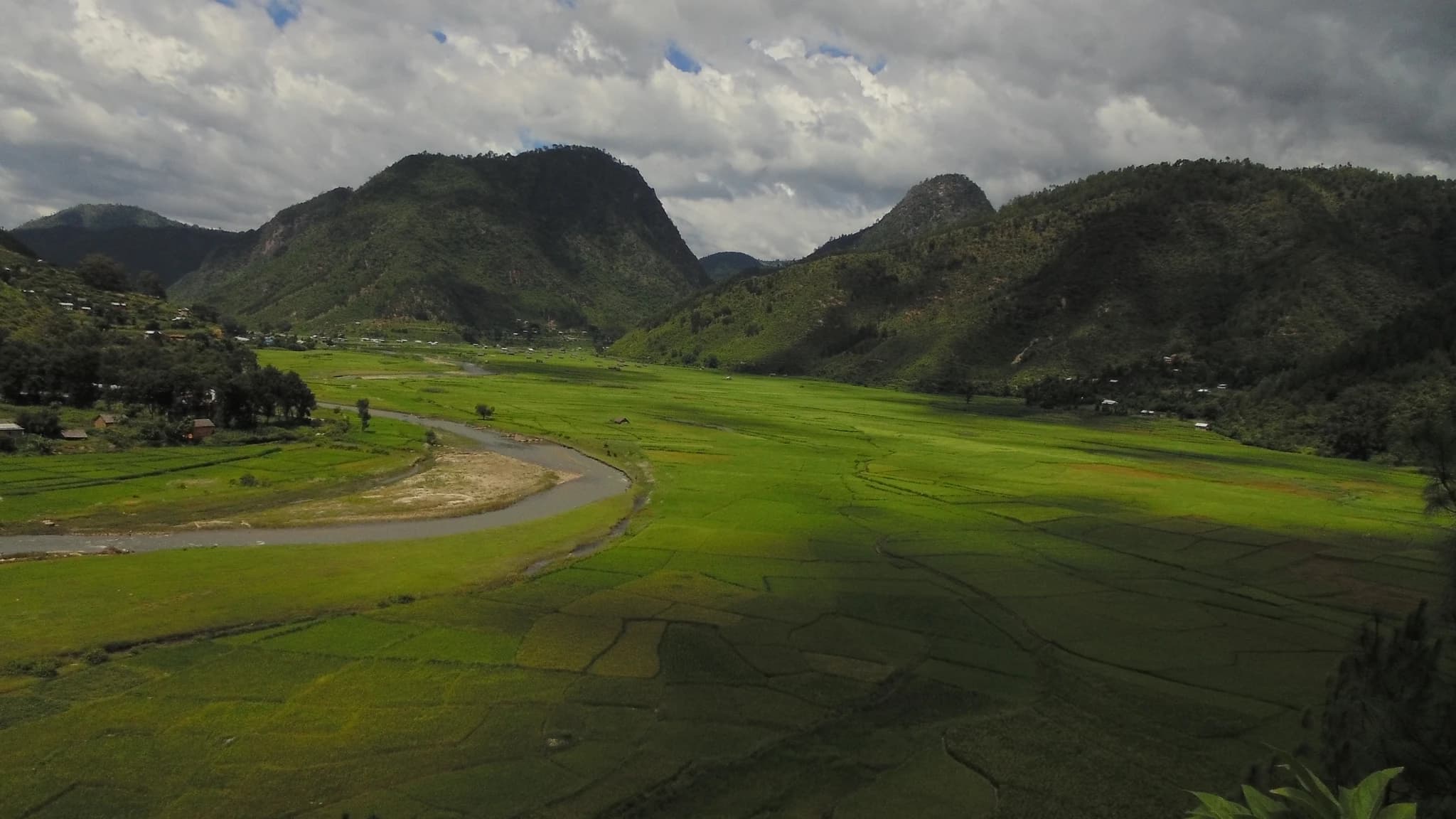
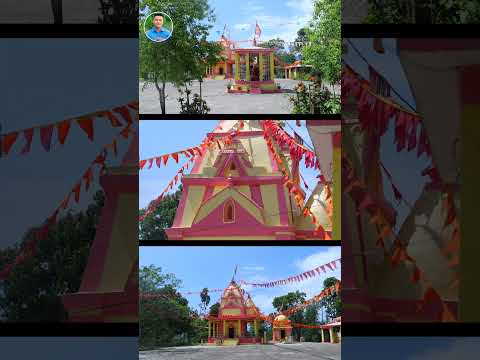
Chhayachhetra Temple (छायाँक्षेत्र / छत्रेश्वरी मन्दिर) is one of Nepal's most venerated and spiritually unique Shaktipeeths, located in Chhatreswari Rural Municipality in southern Salyan. Mentioned prominently in the sacred Swasthani Brata Katha and Shiva Purana, mythology recounts that while Lord Shiva was carrying the mortal body of Goddess Sati, her divine 'shadow' (Chhaya) and final earthly remnants fell at this sacred site. Chhayachhetra holds a singular distinction among Hindu Shakta sanctuaries: animal sacrifice is strictly forbidden. Instead, worship is conducted exclusively through Vedic hymns, flowers, sweets, and coconut offerings. The temple complex overlooks the scenic Sharada River gorge at an elevation of roughly 1,300 meters, encompassing the sacred Shankhamool (शंखमूल) river confluence below where thousands of devotees perform holy ablutions during Mahashivaratri and Navaratri. The temple is the spiritual and administrative namesake of Chhatreswari Rural Municipality.
Chhayachhetra Temple (छायाँक्षेत्र / छत्रेश्वरी मन्दिर) is one of Nepal's most venerated and spiritually unique Shaktipeeths, located in Chhatreswari Rural Municipality in southern Salyan. Mentioned prominently in the sacred Swasthani Brata Katha and Shiva Purana, mythology recounts that while Lord Shiva was carrying the mortal body of Goddess Sati, her divine 'shadow' (Chhaya) and final earthly remnants fell at this sacred site. Chhayachhetra holds a singular distinction among Hindu Shakta sanctuaries: animal sacrifice is strictly forbidden. Instead, worship is conducted exclusively through Vedic hymns, flowers, sweets, and coconut offerings. The temple complex overlooks the scenic Sharada River gorge at an elevation of roughly 1,300 meters, encompassing the sacred Shankhamool (शंखमूल) river confluence below where thousands of devotees perform holy ablutions during Mahashivaratri and Navaratri. The temple is the spiritual and administrative namesake of Chhatreswari Rural Municipality.
2 available
1 available
YouTube
Chhatreshwari Devi Temple, Chhayachhetra Salyan Documentary by BIMOCHAN
Discover More

Khairabang Bhuvaneshwari Bhagawati Temple (खैराबाङ भुवनेश्वरी मन्दिर) is a premier hilltop Shakti sanctuary perched atop a cool, forested ridge at an altitude of approximately 1,600 meters in Ward 11 of Sharada Municipality, Salyan. Regarded as one of the 51 sacred Shaktipeeths where divine remnants of Sati Devi fell, worship at Khairabang has been continuously recorded since 1480 BS. Historically patronized by the Shah dynasty, King Girvan Yuddha Bikram Shah and later King Mahendra officially issued royal seals (Lal Mohar) dedicating lands and daily puja rituals to Goddess Bhuvaneshwari. Rebuilt in traditional multi-tiered pagoda architecture, the temple is surrounded by ancient oak and rhododendron groves, commanding expansive views across the mid-western Mahabharat hills. The shrine draws massive congregations of devotees during Chaitra Dashain and Ashwin Navaratri seeking blessings of prosperity, courage, and spiritual fulfillment.

Kupinde Lake (कुपिण्डे दह), affectionately heralded as the 'Mini Rara' of Western Nepal, is a pristine natural freshwater lake nestled among dense sub-alpine pine and sal forests in Bangad Kupinde Municipality, Salyan. Situated at an altitude of approximately 1,120 meters and spanning an area of over 24 hectares, the lake is celebrated for its breathtaking emerald-green and turquoise waters, which naturally shift hues across changing seasons, rainfall patterns, and algae cycles. Enclosed on all sides by towering green Mahabharat hills, Kupinde Lake maintains a tranquil, untouched ambiance. On its southeastern shore stands the revered Baraha Temple (बराह मन्दिर), where local devotees and pilgrims offer prayers to the guardian water deity. Officially recognized by the Government of Nepal on its prestigious list of Top 100 Tourism Destinations, Kupinde Lake offers non-motorized wooden boat cruises, peaceful perimeter nature walks, birdwatching, and wilderness lakeside camping.

Salyan Khalanga (सल्यान खलङ्गा बजार तथा कोट) is the historic ridge-top capital of the medieval Salyani Kingdom, one of the prominent Baise Principalities (22 Kingdoms) established in the 14th–15th century by King Malayavarma. Perched along a dramatic knife-edge mountain ridge at an elevation of 1,530 meters, Khalanga played a pivotal role in the historical unification of Nepal through the royal marriage of Salyani King Ranabhim Shah to Princess Vilas Kumari, the daughter of King Prithvi Narayan Shah. During the Rana regime, Khalanga functioned as the formidable administrative 'Bada Gaunda' (regional gubernatorial seat) governing mid-western Nepal. It is also nationally renowned as the ancestral birthplace of the legendary Salyani Sirupate Khukuri, meticulously forged with high-carbon steel and graceful, slender curves by hereditary iron artisans. The ridge features the 150-year-old Kalika Temple, historic stone-paved alleys, traditional Newar-Khas merchant architecture, and panoramic viewpoints overlooking the Dhaulagiri and Sisne Himalayan ranges.

Alamdevi Temple (आलमदेवी मन्दिर), situated in Lasargha within Kaligandaki Rural Municipality Ward 3 of Syangja District, is one of the most historically significant and sacred pilgrimage shrines in western Nepal. Venerated as the ancestral tutelary deity (Kuldevi) of the Shah kings of Nepal, the shrine traces its spiritual origin back over seven centuries. According to historical chronicles, when Prince Mincha Khan and his descendants established the principality of Nuwakot in Syangja and later expanded toward Kaski and Lamjung, Alamdevi was established as their protective sovereign deity. To this day, royal priests and state representatives continue to conduct solemn rituals here during major national festivals. A fascinating and distinctive ritual feature of Alamdevi is its open-air architecture and priestcraft tradition. Unlike typical multi-tiered Hindu pagodas, the main sanctum is a subterranean, roofless pit covered by stone and sacred sal trees, where the deity is worshipped as a hidden divine force. Furthermore, in an enduring testament to historic syncretism between the hill Magar populace and the ruling dynasty, the chief officiating priests (pujaris) belong strictly to the Rana Magar clan. Only the appointed Magar priest is permitted to enter the inner sanctum to perform esoteric Vedic-Tantric rituals and offer daily oblations. Perched on a forested hill overlooking the sweeping bends of the Kali Gandaki valley, Alamdevi attracts tens of thousands of pilgrims, particularly during Chaitra Dashain and the autumn Bada Dashain festivals. Devotees visit from across Nepal and India to seek blessings for protection, courage, and prosperity. The shrine is accessible via a motorable road branching off from the Siddhartha Highway at Waling or Galyang through scenic rural ridgelines.

Amar Narayan Temple (अमर नारायण मन्दिर), situated in Tansen Municipality Ward 3 of Palpa District, is a masterpiece of early 19th-century pagoda architecture and classical Nepali woodcarving. Commissioned in 1806 AD (1863 BS) by General Amar Singh Thapa, the legendary Gorkhali military commander and hero of the Anglo-Nepal War during his tenure as governor of Palpa, the temple was dedicated to Lord Vishnu. The structure is built in classical triple-roofed pagoda style, distinguished by intricate wooden roof struts embellished with erotic carvings and depictions of Hindu deities, rivaling the artistic brilliance of Kathmandu Valley artisans. The temple is encircled by a high stone perimeter wall known locally as the 'Great Wall of Tansen', preserving an inner courtyard paved with flagstones and blessed by natural cold-water perennial stone spouts (Dhunge Dhara). Devotees from throughout the hill districts visit Amar Narayan Temple during Haribodhini Ekadashi and Janmashtami, admiring its serene historic ambiance and classical architectural elegance.

Ambikeshwari Bhagwati Temple (अम्बिकेश्वरी भगवती मन्दिर), gracefully situated along the tranquil banks of the Sechha (Katuwa) River in Ambabali within Ghorahi Sub-Metropolitan City-19, is the premier Shaktipeeth and supreme mother-goddess pilgrimage sanctuary of the Dang Valley. Celebrated in regional scriptures and Hindu lore as one of the 51 sacred Shaktipeeths, legend recounts that the right ear (*Karna*) of Sati Devi fell at this consecrated spot while Lord Shiva roamed the cosmos carrying her physical form. The temple houses an aniconic natural rock shrine representing the divine feminine energy, embellished with sacred silver plating, gilded ornaments, and traditional tridents. The pagoda-style main temple is complemented by subsidiary shrines dedicated to Lord Ganesh, Bhairav, and Shiva, all surrounded by sprawling banyan and peepal trees providing cool shade. During Navaratri, Dashain, and Chaite Dashain, Ambikeshwari becomes the vibrant focal point of western Nepal's religious life, echoing with sacred Vedic hymns, devotional *bhajan-kirtan*, and traditional panche baja music. Pilgrims from Dang, Pyuthan, Rolpa, Banke, and cross-border regions visit to seek blessings for protection, prosperity, and spiritual fulfillment.