YouTube
Open YouTube
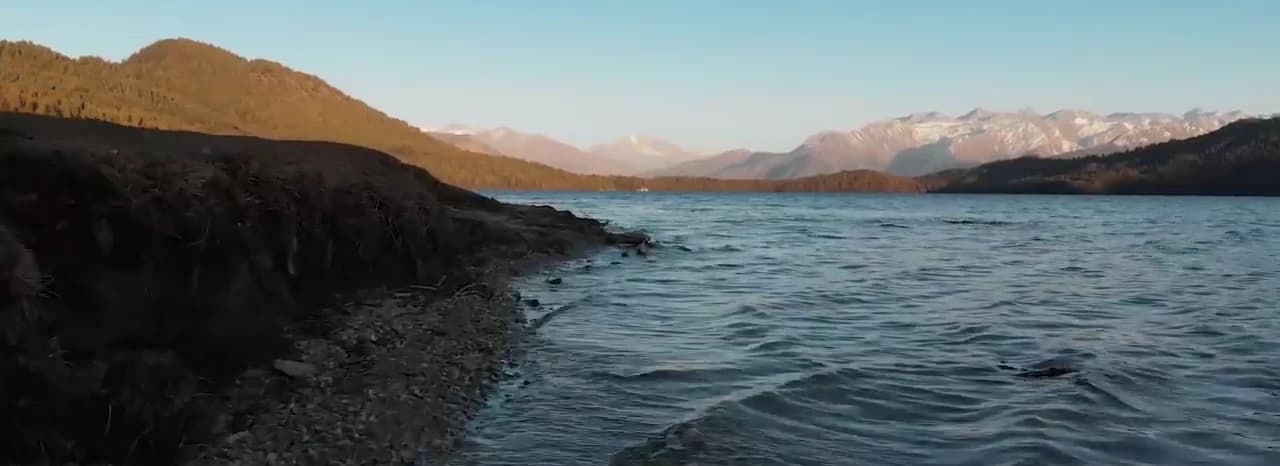
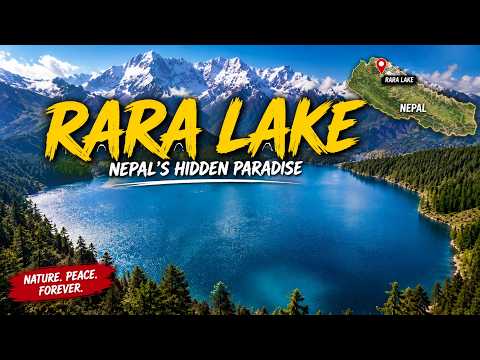
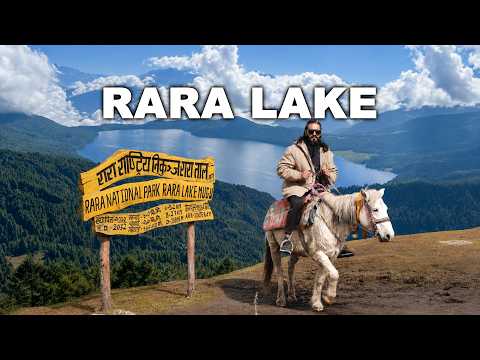
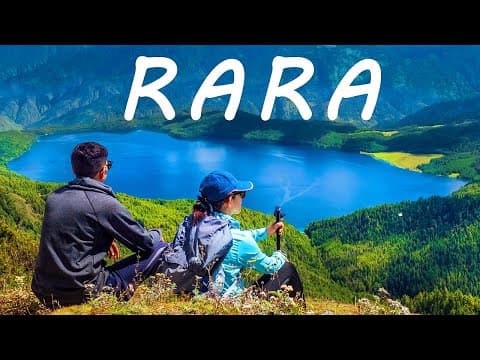
Rara Lake is Nepal's largest lake, a pristine alpine jewel set at 2,990 metres altitude in the remote Mugu district of Karnali Province. Covering 10.8 square kilometres, the lake is renowned for the extraordinary clarity and colour of its water, which shifts between deep blue and turquoise depending on time of day and weather conditions. The surrounding Rara National Park, established in 1976, is Nepal's smallest national park by area but one of its most pristine. The lake sits in a bowl of dense juniper, pine, and Himalayan oak forests, backed by snow-dusted ridges. Wildlife in the park includes Himalayan black bears, red pandas, musk deer, leopards, grey langurs, and over 200 bird species. The lake itself contains the Asiatic snow trout, a protected species. Reaching Rara Lake requires a short flight from Nepalgunj or Jumla to Talcha Airport, or a multi-day trek from Jumla (approximately 4-5 days each way). Activities at the lake include trekking around the 13 km perimeter, photography, wildlife watching, and camping. Because of its remoteness, Rara sees relatively few visitors, preserving its exceptional natural character. The best seasons are September to November (post-monsoon, clear skies) and April to May (spring flowers). The lake is partially frozen and inaccessible in mid-winter from December through February.
Rara Lake is Nepal's largest lake, a pristine alpine jewel set at 2,990 metres altitude in the remote Mugu district of Karnali Province. Covering 10.8 square kilometres, the lake is renowned for the extraordinary clarity and colour of its water, which shifts between deep blue and turquoise depending on time of day and weather conditions. The surrounding Rara National Park, established in 1976, is Nepal's smallest national park by area but one of its most pristine. The lake sits in a bowl of dense juniper, pine, and Himalayan oak forests, backed by snow-dusted ridges. Wildlife in the park includes Himalayan black bears, red pandas, musk deer, leopards, grey langurs, and over 200 bird species. The lake itself contains the Asiatic snow trout, a protected species. Reaching Rara Lake requires a short flight from Nepalgunj or Jumla to Talcha Airport, or a multi-day trek from Jumla (approximately 4-5 days each way). Activities at the lake include trekking around the 13 km perimeter, photography, wildlife watching, and camping. Because of its remoteness, Rara sees relatively few visitors, preserving its exceptional natural character. The best seasons are September to November (post-monsoon, clear skies) and April to May (spring flowers). The lake is partially frozen and inaccessible in mid-winter from December through February.
1 available
3 available
YouTube
Open YouTube
YouTube
Open YouTube
YouTube
Open YouTube
Discover More

Rising in majestic spiritual isolation amid the glaciated peaks of northeastern Mugu at an altitude of approximately 4,500 meters, Chhayanath Dham (छायाँनाथ तीर्थ / छायाँनाथ धाम) stands as one of the holiest, most remote, and mythologically revered Shaiva-Shakti pilgrimage sanctuaries in the entire Himalayan realm. Eponymously immortalized in the name of Chhayanath Rara Municipality, this sacred sanctuary is venerated in classical Hindu tradition and regional epics as the hallowed site where the spine and divine shadow (*Chhaya*) of Sati Devi fell to earth as Lord Shiva carried her lifeless body in his divine grief-stricken dance across the cosmos. Geographically anchored within Ward 1 of Mugum Karmarong Rural Municipality beneath the towering crags of Chhayanath Peak (~5,200m) and the eastern Kanjiroba massif, the sanctuary comprises natural rock sanctums, open-air stone altars, and sacred glacial tarns known as Dudh Kunda. For eleven months of the year, the sanctum remains engulfed in deep snow and ice, while its venerated silver idol (*Chhayanath Murti*) is guarded in the winter repository temple at Chainagaun near Gamgadhi. Each year during the monsoon festival of Janai Purnima (Shrawan Shukla Purnima), a grand state and community procession carries the sacred idol across five rigorous days of wilderness trekking through alpine gorges, high birch forests, and glacial moraines to the holy Dham. Thousands of devout pilgrims, ascetics, and regional shamans (*Dhamis*) from across Karnali and western Nepal undertake this arduous pilgrimage to perform sacred ablutions in the icy glacial waters, break ritual bonds of worldly suffering, and offer worship amidst swirling Himalayan mists and hypnotic shamanic drums. With its dramatic blend of raw trans-Himalayan wilderness, profound mythological significance, and living intangible spiritual tradition, Chhayanath Dham represents the supreme sacred beacon of Mugu.

Perched majestically at an elevation of approximately 3,710 meters on the northwestern ridgeline of Rara National Park, Murma Top (मुर्मा टप) is widely celebrated as the ultimate panoramic vantage point for beholding the breathtaking grandeur of Rara Lake and the high Karnali Himalayas. While the sapphire shores of Nepal's largest freshwater lake offer tranquil lakeside beauty from below, it is from the lofty heights of Murma Top that its magnificent, crescent-shaped expanse is revealed in full glory, cradled amidst an emerald amphitheater of ancient blue pine, spruce, and rhododendron forests. The ascent to Murma Top begins with a scenic ridge trek departing from the traditional settlement of Murma Village, winding gently upward through fragrant alpine meadows, subalpine birch groves, and grazing pastures frequented by Himalayan sheep. At the summit stands a wooden panoramic observation view tower, erected to provide an unobstructed 360-degree vista spanning far across western Nepal. To the east and south, the glistening turquoise waters of Rara Lake reflect the sky like an enormous Himalayan mirror, while across the horizon soar the glaciated ramparts of Kanjiroba Himal, Chhayanath Peak, Sisne Himal, and the distant Saipal range. Murma Top is also a vital natural vantage point for sunrise and sunset photography, as early dawn paints the distant snow peaks in shades of amber and rose gold, casting soft mist over the tranquil water surface. Visited by both day-trippers from the Rara shoreline and long-distance trekkers acclimatizing along the classical Jumla–Rara trail, Murma Top represents an indispensable highlight of any wilderness expedition into Mugu District.

Nestled gracefully on the sun-drenched southeastern terraced mountain slope at approximately 3,200 meters elevation, Murma Village (मुर्मा गाउँ) is the sole preserved indigenous human settlement remaining within the immediate mountain amphitheater enclosing Rara Lake. When Rara National Park was officially established in 1976 AD (2032 BS), the ancient lakeside settlements of Chapru and Rara were entirely relocated to the Terai plains of Banke District. Murma, situated above the designated lake basin in Ward 9 of Chhayanath Rara Municipality, was uniquely preserved, safeguarding centuries of unbroken Khas heritage and traditional mountain lifestyle. The architecture of Murma represents an authentic living museum of vernacular western Himalayan craftsmanship. Clustered densely against the hillside, the two-to-three-story homes are constructed with dry-chiseled fieldstone, massive rough-hewn pine timbers, and flat earthen mud-slate roofs (*poko* or *chhato*). In this distinctive stepped arrangement, the flat rooftop of each lower residence serves as the front courtyard, grain-drying terrace, and threshing floor for the home above. Hand-notched timber log ladders (*lihno*) connect the ascending terraces, while intricately carved wooden lattice windows (*aankhijhyal*) and wooden balconies adorn the facades. In recent years, Murma has emerged as a celebrated model for sustainable community-based eco-tourism and cultural homestays. Operated with warm mountain hospitality, local homestays offer visitors wholesome traditional meals prepared from native highland crops—including buckwheat pancakes (*fapar ko roti*), roasted barley flour (*tsampa*), organic mountain potatoes, and fragrant wild Timur pepper. Serving as the primary trailhead and community gateway for travelers hiking to Murma Top, Murma Village offers an enriching glimpse into the resilient cultural soul of Karnali.

Aalital is the largest natural freshwater lake in Dadeldhura District, situated at an elevation of 800 metres in the verdant southern foothills of the Mahabharat range in Ward 3 of Aalital Rural Municipality. Spanning approximately 1,175 metres in length, 400 metres in width, and depths reaching up to 22 metres, the expansive natural water body is cradled within dense subtropical sal, pine, and mixed deciduous forests. Famed for its pristine natural serenity, avian biodiversity, and scenic reflections of the surrounding hills, Aalital has emerged as a premier eco-tourism destination equipped with community paddle boating facilities, lakeshore nature trails, a lakeside suspension bridge, a scenic viewing tower, and the revered local shrine of Sameji Devata on its forested banks.

Andha-Andhi Daha (अन्धा-अन्धी दह), also revered as Shravan Kumar Pokhari, is a sacred natural alpine lake and wetland situated in Aandhikhola Rural Municipality Ward 2 (Chilaunebas) of northern Syangja. Located at an altitude of approximately 1,750 meters in the verdant foothills south of the Panchase protected forest, this tranquil lake is deeply embedded in Hindu mythology as the legendary origin spring of the holy Aandhikhola river. According to the ancient Ramayana epic, when the dutiful son Shravan Kumar was mistakenly struck by King Dasharatha's hunting arrow while drawing water for his thirsty blind parents, the grief-stricken hermits cursed the king and wept inconsolably until their demise. Sacred folklore holds that the perennial springs of Andha-Andhi Daha were formed from the endless tears of the devoted blind parents, and that the waters flowing from the pond gave birth to the tears-river, the Aandhikhola. A dedicated shrine and memorial statue of Shravan Kumar carrying his elderly parents in woven baskets commemorate this immortal tale of filial devotion. The lake is enveloped by pristine rhododendron, oak, and pine woodlands rich in diverse birdlife, medicinal flora, and wild orchids. Its peaceful, reflective surface mirrors towering mossy trees and crisp blue skies, offering an atmosphere of serene contemplation. The site serves as a scenic eco-tourism and cultural retreat, accessible via hiking trails from Panchase or rural motorable roads connecting Aandhikhola with the Siddhartha Highway corridor.

Known as one of Siraha's peaceful natural lakes, Baba Taal is a serene destination surrounded by lush greenery and the tranquil landscapes of the eastern Terai. Revered by local communities, the lake is associated with spiritual beliefs and is named after a respected holy figure, giving it both cultural and religious significance. Its calm waters provide a refreshing escape for visitors seeking peace, while the surrounding trees and open spaces create an ideal setting for picnics, leisurely walks, and relaxation. The lake also supports a variety of local birds and aquatic life, making it an attractive spot for birdwatching and nature photography. Early mornings and evenings offer especially beautiful reflections on the water, with sunrise and sunset adding to the lake's scenic charm. Throughout the year, local visitors gather here for recreation, worship, and community celebrations, preserving the area's cultural importance. Whether you're looking to unwind in nature, capture stunning photographs, or experience one of Siraha's hidden gems, Baba Taal offers a calm and memorable retreat.