YouTube
Open YouTube
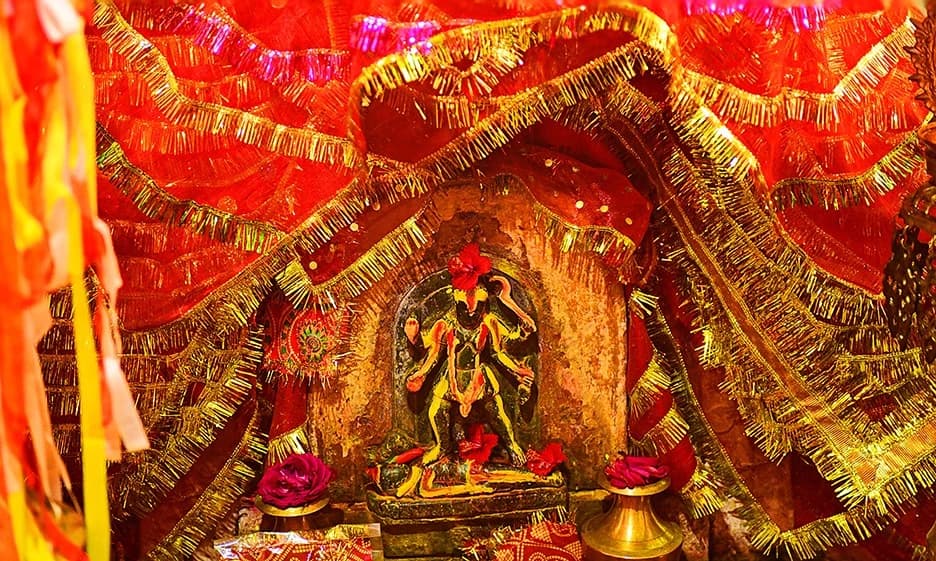
Palhi Bhagwati Temple (पाल्ही भगवती मन्दिर / पाल्हीकोट कालिका), located in Palhinandan Rural Municipality Ward 4 approximately eight kilometers south of Parasi along the Parasi-Maheshpur highway, is the foremost historic Shakti Peeth pilgrimage sanctuary in southern Nawalparasi West. The temple holds profound regional historical status as the ancient spiritual landmark from which the surrounding rural municipality 'Palhinandan' officially derives its name. According to regional chronicles and archaeological documentation, the temple was founded during the medieval reign of the Sen dynasty of Palpa within the fortified royal enclave known as Palhi Kot. Inside the artistic pagoda-style sanctum resides a rare stone icon of Goddess Kali sculpted in the distinctive Sen sculptural idiom, depicting the peaceful yet supreme sovereign form of the goddess holding a ceremonial sword. The sacred compound spans approximately 1.5 bighas and features an ancient ceremonial square, monumental stone lion statues, hanging bronze temple bells, a sacred tank (pokhari), and an adjoining Chamunda Devi shrine in nearby Devgaon. Historically endowed with royal Guthi trusts dating back to BS 1900, Palhi Bhagwati is revered as a wish-fulfilling mother deity (Manokamana). During the great Hindu festivals of Bijaya Dashami, Chaite Dashain, Maghe Dashain, and Ram Navami, tens of thousands of devotees from across the Terai and bordering districts of northern Uttar Pradesh, India, congregate here to offer prayers, perform life-cycle ceremonies, and celebrate vibrant cultural melas.
Palhi Bhagwati Temple (पाल्ही भगवती मन्दिर / पाल्हीकोट कालिका), located in Palhinandan Rural Municipality Ward 4 approximately eight kilometers south of Parasi along the Parasi-Maheshpur highway, is the foremost historic Shakti Peeth pilgrimage sanctuary in southern Nawalparasi West. The temple holds profound regional historical status as the ancient spiritual landmark from which the surrounding rural municipality 'Palhinandan' officially derives its name. According to regional chronicles and archaeological documentation, the temple was founded during the medieval reign of the Sen dynasty of Palpa within the fortified royal enclave known as Palhi Kot. Inside the artistic pagoda-style sanctum resides a rare stone icon of Goddess Kali sculpted in the distinctive Sen sculptural idiom, depicting the peaceful yet supreme sovereign form of the goddess holding a ceremonial sword. The sacred compound spans approximately 1.5 bighas and features an ancient ceremonial square, monumental stone lion statues, hanging bronze temple bells, a sacred tank (pokhari), and an adjoining Chamunda Devi shrine in nearby Devgaon. Historically endowed with royal Guthi trusts dating back to BS 1900, Palhi Bhagwati is revered as a wish-fulfilling mother deity (Manokamana). During the great Hindu festivals of Bijaya Dashami, Chaite Dashain, Maghe Dashain, and Ram Navami, tens of thousands of devotees from across the Terai and bordering districts of northern Uttar Pradesh, India, congregate here to offer prayers, perform life-cycle ceremonies, and celebrate vibrant cultural melas.
1 available
1 available
YouTube
Open YouTube
Discover More

Krishna Dham (कृष्णधाम, सुनवल), situated in Ramwapur of Sunwal Municipality Ward 4 in Nawalparasi West District, is an expansive spiritual sanctuary and modern cultural landmark situated just off the East-West Highway. Developed across two bighas of landscaped grounds by the Sunwal community and local municipality, the dham is celebrated across Nepal for housing a monumental 71-foot-tall standing statue of Lord Krishna—revered as the tallest statue of Lord Krishna in his childhood Damodar form in the world. Unlike conventional depictions of Krishna holding a flute, the monumental Damodar statue masterfully portrays child Krishna at two and a half years old, lovingly tied with a rope (Damodara) by Mother Yashoda around his waist, with open toddler hands outstretched in playful benevolence. The artistic icon stands as a powerful symbol of divine innocence, maternal love, and Vedic devotion. Surrounding the towering centerpiece, the complex integrates landscaped gardens, paved circumambulation avenues, a dedicated Shiva shrine, and the sacred Damodar Kund water pool. Easily accessible to travelers traversing the East-West Highway between Butwal and Narayangarh, Krishna Dham functions as a major spiritual and recreational stopover. It hosts grand celebrations during Krishna Janmashtami, attracting thousands of pilgrims and tourists who come to marvel at the towering icon, participate in devotional bhajans, and enjoy the tranquil park atmosphere.

Ramgram Stupa (रामग्राम स्तूप / Ramagrama Relic Stupa), situated in Ujaini village of Ramgram Municipality Ward 7 approximately four kilometers south of Parasi in Nawalparasi West District, is one of the supreme archaeological treasures of global Buddhism. Inscribed on Nepal's UNESCO World Heritage Tentative List (Ref: 847), Ramgram Stupa is universally celebrated as the ONLY unexcavated, undisturbed, and intact original relic stupa containing the bodily relics (sarira) of Gautama Buddha in the entire world. According to the Mahaparinibbana Sutta, following the Buddha's passing and cremation at Kushinagar in 483 BCE, his physical relics were divided into eight equal portions among eight ancient kingdoms. One portion was awarded to the noble Koliya royal dynasty of Ramagrama, who enshrined the relics beneath a monumental burnt-brick and earthen stupa situated on the banks of the Jharahi River. In the 3rd century BCE, Emperor Ashoka opened seven of the eight original stupas across northern India to redistribute the holy relics into 84,000 commemorative shrines. However, when Ashoka journeyed to Ramagrama, the local serpent king (Nagaraja) and wild forest elephants worshipping the mound pleaded with him not to disturb the sacred site. Deeply humbled by their spiritual devotion, the Mauryan Emperor withdrew without unsealing the mound, leaving its ancient sanctity intact. Today, Ramgram Stupa presents an extraordinarily tranquil sight: a majestic 7-meter-high, 23.5-meter-diameter green earthen mound peacefully embraced by the intertwined roots of an ancient banyan and pipal tree. Geophysical surveys conducted by UNESCO and the Department of Archaeology confirmed an undisturbed multi-tiered brick structure and monastic complex lying quietly beneath the soil. Surrounded by quiet farmland and watercourses, Ramgram offers pilgrims a singularly profound and authentic spiritual connection to the historical Buddha.

Alamdevi Temple (आलमदेवी मन्दिर), situated in Lasargha within Kaligandaki Rural Municipality Ward 3 of Syangja District, is one of the most historically significant and sacred pilgrimage shrines in western Nepal. Venerated as the ancestral tutelary deity (Kuldevi) of the Shah kings of Nepal, the shrine traces its spiritual origin back over seven centuries. According to historical chronicles, when Prince Mincha Khan and his descendants established the principality of Nuwakot in Syangja and later expanded toward Kaski and Lamjung, Alamdevi was established as their protective sovereign deity. To this day, royal priests and state representatives continue to conduct solemn rituals here during major national festivals. A fascinating and distinctive ritual feature of Alamdevi is its open-air architecture and priestcraft tradition. Unlike typical multi-tiered Hindu pagodas, the main sanctum is a subterranean, roofless pit covered by stone and sacred sal trees, where the deity is worshipped as a hidden divine force. Furthermore, in an enduring testament to historic syncretism between the hill Magar populace and the ruling dynasty, the chief officiating priests (pujaris) belong strictly to the Rana Magar clan. Only the appointed Magar priest is permitted to enter the inner sanctum to perform esoteric Vedic-Tantric rituals and offer daily oblations. Perched on a forested hill overlooking the sweeping bends of the Kali Gandaki valley, Alamdevi attracts tens of thousands of pilgrims, particularly during Chaitra Dashain and the autumn Bada Dashain festivals. Devotees visit from across Nepal and India to seek blessings for protection, courage, and prosperity. The shrine is accessible via a motorable road branching off from the Siddhartha Highway at Waling or Galyang through scenic rural ridgelines.

Amar Narayan Temple (अमर नारायण मन्दिर), situated in Tansen Municipality Ward 3 of Palpa District, is a masterpiece of early 19th-century pagoda architecture and classical Nepali woodcarving. Commissioned in 1806 AD (1863 BS) by General Amar Singh Thapa, the legendary Gorkhali military commander and hero of the Anglo-Nepal War during his tenure as governor of Palpa, the temple was dedicated to Lord Vishnu. The structure is built in classical triple-roofed pagoda style, distinguished by intricate wooden roof struts embellished with erotic carvings and depictions of Hindu deities, rivaling the artistic brilliance of Kathmandu Valley artisans. The temple is encircled by a high stone perimeter wall known locally as the 'Great Wall of Tansen', preserving an inner courtyard paved with flagstones and blessed by natural cold-water perennial stone spouts (Dhunge Dhara). Devotees from throughout the hill districts visit Amar Narayan Temple during Haribodhini Ekadashi and Janmashtami, admiring its serene historic ambiance and classical architectural elegance.

Ambikeshwari Bhagwati Temple (अम्बिकेश्वरी भगवती मन्दिर), gracefully situated along the tranquil banks of the Sechha (Katuwa) River in Ambabali within Ghorahi Sub-Metropolitan City-19, is the premier Shaktipeeth and supreme mother-goddess pilgrimage sanctuary of the Dang Valley. Celebrated in regional scriptures and Hindu lore as one of the 51 sacred Shaktipeeths, legend recounts that the right ear (*Karna*) of Sati Devi fell at this consecrated spot while Lord Shiva roamed the cosmos carrying her physical form. The temple houses an aniconic natural rock shrine representing the divine feminine energy, embellished with sacred silver plating, gilded ornaments, and traditional tridents. The pagoda-style main temple is complemented by subsidiary shrines dedicated to Lord Ganesh, Bhairav, and Shiva, all surrounded by sprawling banyan and peepal trees providing cool shade. During Navaratri, Dashain, and Chaite Dashain, Ambikeshwari becomes the vibrant focal point of western Nepal's religious life, echoing with sacred Vedic hymns, devotional *bhajan-kirtan*, and traditional panche baja music. Pilgrims from Dang, Pyuthan, Rolpa, Banke, and cross-border regions visit to seek blessings for protection, prosperity, and spiritual fulfillment.

Known as one of Jhapa's most sacred religious destinations, Arjundhara Jaleshwor Dham is a revered Hindu pilgrimage site famous for its naturally flowing water spring and ancient Shiva temple. According to local legend, the spring was created when Arjuna, one of the Pandava brothers from the Mahabharata, struck the ground with his arrow to provide water, giving the place its name "Arjundhara." Devotees believe the holy spring possesses spiritual significance and visit throughout the year to offer prayers and seek blessings from Lord Shiva. The temple complex is surrounded by lush greenery, peaceful ponds, and beautifully maintained gardens, creating a calm and refreshing atmosphere for visitors. During Maha Shivaratri and other Hindu festivals, thousands of pilgrims gather here to celebrate with great devotion and cultural enthusiasm. The blend of mythology, natural beauty, and religious heritage makes the site one of eastern Nepal's most cherished landmarks. Whether you're exploring its fascinating legends, experiencing its spiritual ambiance, or enjoying the tranquil surroundings, Arjundhara Jaleshwor Dham offers a memorable journey into Nepal's rich cultural and religious traditions.