YouTube
Chhatiwan Lake and Jorayal Valley Eco-Tourism Documentary
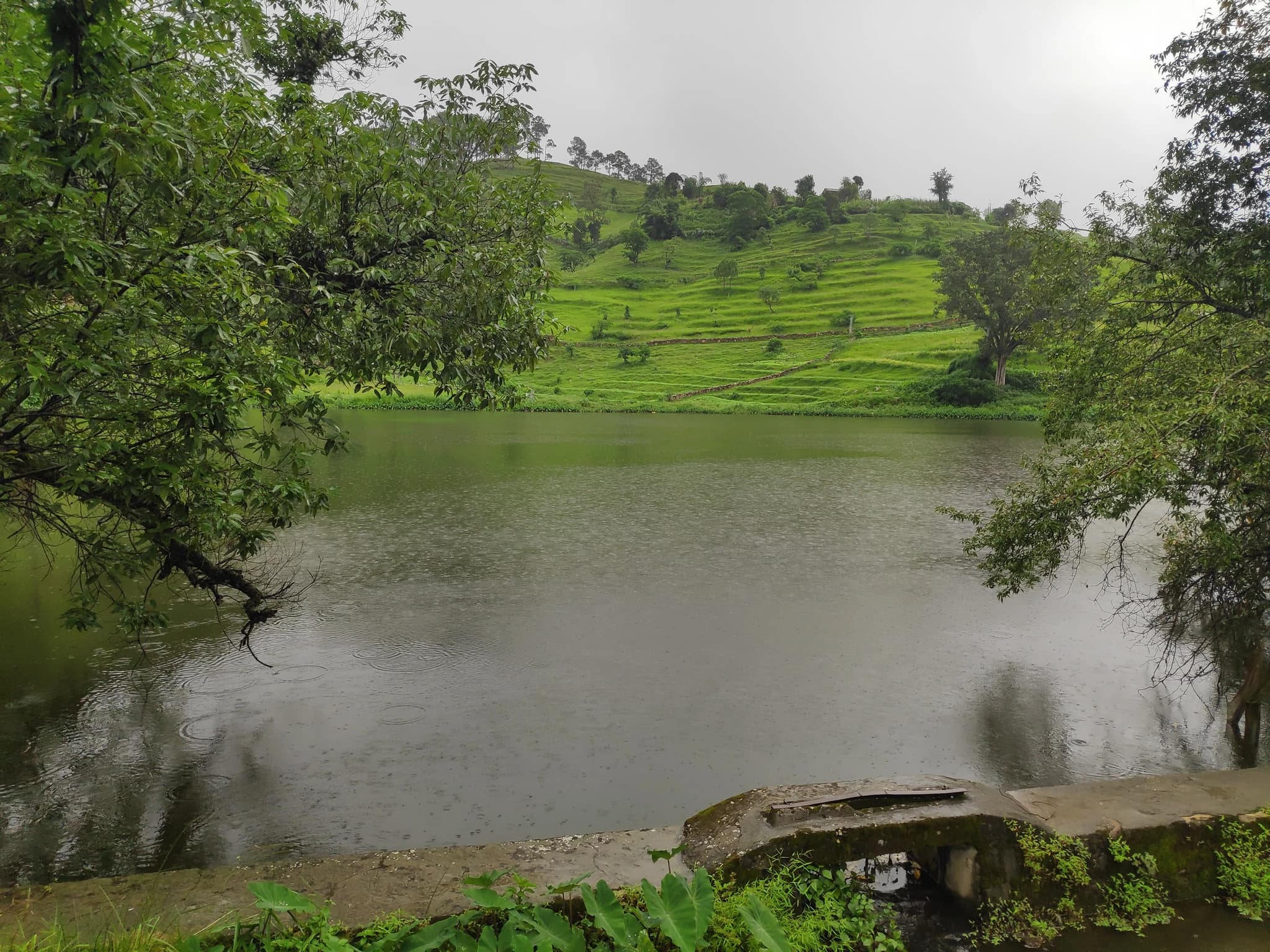
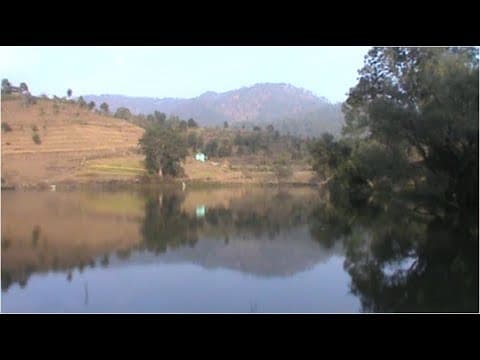
Chhatiwan Lake (छतिवन ताल) is an expansive natural freshwater hill lake situated in Jorayal Rural Municipality-2 in southern Doti District. Located approximately 5 kilometers north of Budar Bazaar along the Dhangadhi–Dipayal Highway, the lake lies cradled amidst subtropical Sal and pine hills and terraced agricultural basins at an altitude of approximately 1,380 meters. Local folklore and the Mahabharata tradition associate the valley with Bhima and the mythological duel with king Jarasandha, which local oral history links to the naming of Jorayal. The local government has preserved the natural wetland ecosystem while establishing peaceful boating facilities, nature walking paths, and community eco-park spaces, establishing Chhatiwan Lake as a prime recreational and eco-tourism getaway in the lower hills of Doti.
Chhatiwan Lake (छतिवन ताल) is an expansive natural freshwater hill lake situated in Jorayal Rural Municipality-2 in southern Doti District. Located approximately 5 kilometers north of Budar Bazaar along the Dhangadhi–Dipayal Highway, the lake lies cradled amidst subtropical Sal and pine hills and terraced agricultural basins at an altitude of approximately 1,380 meters. Local folklore and the Mahabharata tradition associate the valley with Bhima and the mythological duel with king Jarasandha, which local oral history links to the naming of Jorayal. The local government has preserved the natural wetland ecosystem while establishing peaceful boating facilities, nature walking paths, and community eco-park spaces, establishing Chhatiwan Lake as a prime recreational and eco-tourism getaway in the lower hills of Doti.
1 available
1 available
YouTube
Chhatiwan Lake and Jorayal Valley Eco-Tourism Documentary
Discover More

Shaileshwori Temple is the foremost Hindu pilgrimage sanctuary of Sudurpashchim Province, nestled in Silgadhi, the historic headquarters of Doti District. Revered as one of the sacred Nine Bhagwati (Nau Bhagwati) temples of the Far-Western region, the shrine honors Goddess Shaileshwori in the unified Ardhanarishwor form of Shiva and Parvati. According to regional mythology recounted in the Himavatkhanda, Shiva and Parvati resided in divine romance in these hills after their celestial marriage. The temple complex features a pagoda-style central sanctum enclosed by shrines dedicated to Bhairav, Ganesha, Masta, and Shiva, cataloged under Department of Archaeology monument code NP-DO-05. Each year during Kartik Purnima, tens of thousands of devotees assemble for the vibrant Shaileshwori Mela, making it a cornerstone of Far-Western religious culture.

Silgadhi Historic Bazaar is a 250-year-old heritage townscape situated on a high ridge overlooking the Seti River valley in Dipayal Silgadhi Municipality-6, Doti. Founded during the late 18th century by Newar merchant families migrating from Bhaktapur and Patan following the Gorkhali unification, Silgadhi served as the preeminent commercial and administrative entrepot connecting the trans-Himalayan trade trails of Far-Western Nepal with the Indian plains. The town is recognized for its authentic stone-paved alleys, carved wooden Newari balconies, historic stone stepwells (naula), and the Rana-era Rani Pauwa public rest-house, documented by the Department of Archaeology under monuments NP-DO-04, NP-DO-06, and NP-DO-17. Uniquely in Sudurpashchim, Silgadhi preserves an authentic multi-day Gai Jatra festival, Tayamacha dances, and Lakhey masked performances, providing a rare living Newari cultural enclave deep in Khas-Doteli country.

Aalital is the largest natural freshwater lake in Dadeldhura District, situated at an elevation of 800 metres in the verdant southern foothills of the Mahabharat range in Ward 3 of Aalital Rural Municipality. Spanning approximately 1,175 metres in length, 400 metres in width, and depths reaching up to 22 metres, the expansive natural water body is cradled within dense subtropical sal, pine, and mixed deciduous forests. Famed for its pristine natural serenity, avian biodiversity, and scenic reflections of the surrounding hills, Aalital has emerged as a premier eco-tourism destination equipped with community paddle boating facilities, lakeshore nature trails, a lakeside suspension bridge, a scenic viewing tower, and the revered local shrine of Sameji Devata on its forested banks.

Andha-Andhi Daha (अन्धा-अन्धी दह), also revered as Shravan Kumar Pokhari, is a sacred natural alpine lake and wetland situated in Aandhikhola Rural Municipality Ward 2 (Chilaunebas) of northern Syangja. Located at an altitude of approximately 1,750 meters in the verdant foothills south of the Panchase protected forest, this tranquil lake is deeply embedded in Hindu mythology as the legendary origin spring of the holy Aandhikhola river. According to the ancient Ramayana epic, when the dutiful son Shravan Kumar was mistakenly struck by King Dasharatha's hunting arrow while drawing water for his thirsty blind parents, the grief-stricken hermits cursed the king and wept inconsolably until their demise. Sacred folklore holds that the perennial springs of Andha-Andhi Daha were formed from the endless tears of the devoted blind parents, and that the waters flowing from the pond gave birth to the tears-river, the Aandhikhola. A dedicated shrine and memorial statue of Shravan Kumar carrying his elderly parents in woven baskets commemorate this immortal tale of filial devotion. The lake is enveloped by pristine rhododendron, oak, and pine woodlands rich in diverse birdlife, medicinal flora, and wild orchids. Its peaceful, reflective surface mirrors towering mossy trees and crisp blue skies, offering an atmosphere of serene contemplation. The site serves as a scenic eco-tourism and cultural retreat, accessible via hiking trails from Panchase or rural motorable roads connecting Aandhikhola with the Siddhartha Highway corridor.

Known as one of Siraha's peaceful natural lakes, Baba Taal is a serene destination surrounded by lush greenery and the tranquil landscapes of the eastern Terai. Revered by local communities, the lake is associated with spiritual beliefs and is named after a respected holy figure, giving it both cultural and religious significance. Its calm waters provide a refreshing escape for visitors seeking peace, while the surrounding trees and open spaces create an ideal setting for picnics, leisurely walks, and relaxation. The lake also supports a variety of local birds and aquatic life, making it an attractive spot for birdwatching and nature photography. Early mornings and evenings offer especially beautiful reflections on the water, with sunrise and sunset adding to the lake's scenic charm. Throughout the year, local visitors gather here for recreation, worship, and community celebrations, preserving the area's cultural importance. Whether you're looking to unwind in nature, capture stunning photographs, or experience one of Siraha's hidden gems, Baba Taal offers a calm and memorable retreat.

Badhaiya Tal (बढैयाताल), spanning over 105 hectares in Badhaiyatal Rural Municipality-8, is celebrated as the largest natural lake and wetland sanctuary in Bardiya District and one of the premier avian biodiversity hotspots in southwestern Nepal. Formed by ancient natural river meanders and perennial seepage springs, this vast shallow lake is recognized as a vital wetland habitat supporting over 100 resident and wintering migratory bird species. Every winter between October and March, thousands of waterfowl from Siberia, Mongolia, and the Tibetan Plateau make Badhaiya Tal their seasonal home—including painted storks, Asian openbills, sarus cranes, bar-headed geese, ferruginous ducks, and cotton pygmy geese. Surrounded by lush green paddy plains and indigenous Tharu farming hamlets, the lake is developed as an eco-tourism destination equipped with wooden observation towers for birdwatching, traditional wooden paddle boats for gliding through blooming lotus patches, and scenic peripheral walking promenades. It offers nature lovers, ornithologists, and photographers a peaceful haven of undisturbed wetland life.