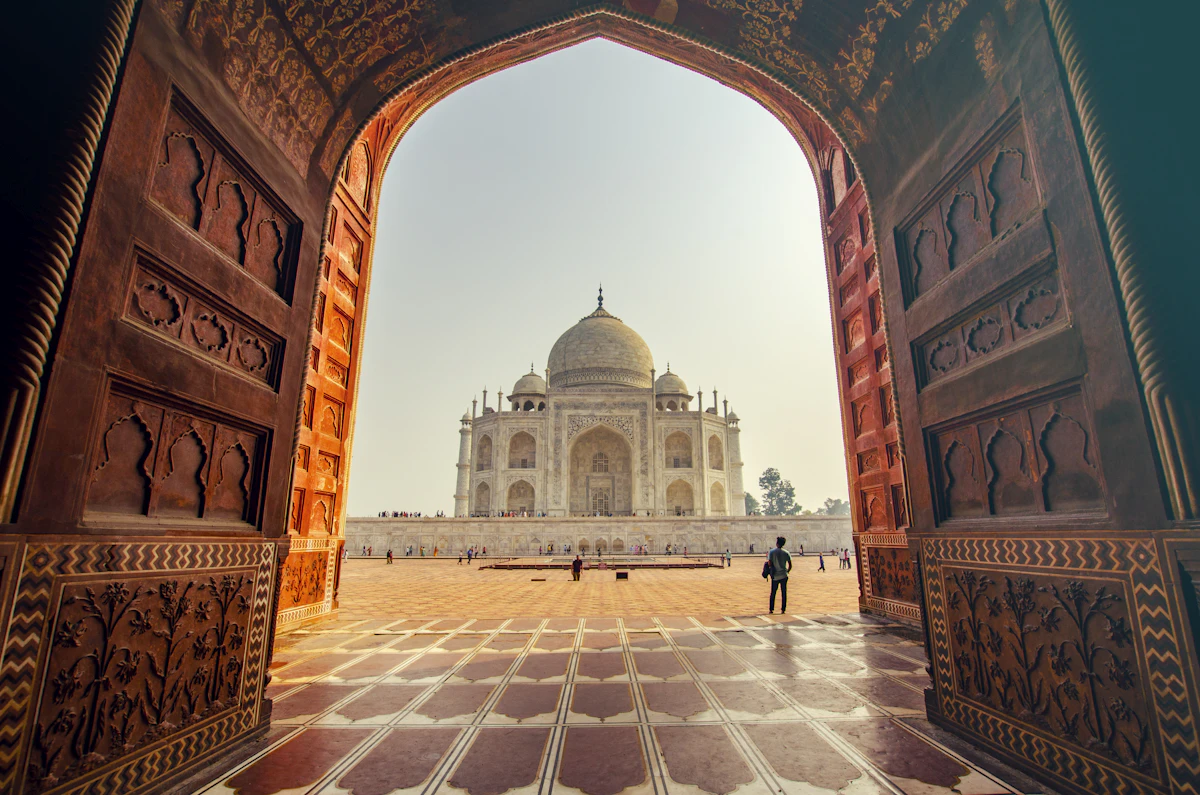
Kathmandu Valley UNESCO Royal Cities Heritage
The master woodcarvings, gilded pagoda roofs, and living cultural traditions of Kathmandu, Patan, and Bhaktapur
Explore Nepal through journeys designed around different interests, experiences, and travel styles. Paced with verified trail telemetry, transparent permits, and 1-click customizer sync.
5,545 m
15 Days
“In the Footsteps of Mountaineering Legends to the Khumbu Glacier”
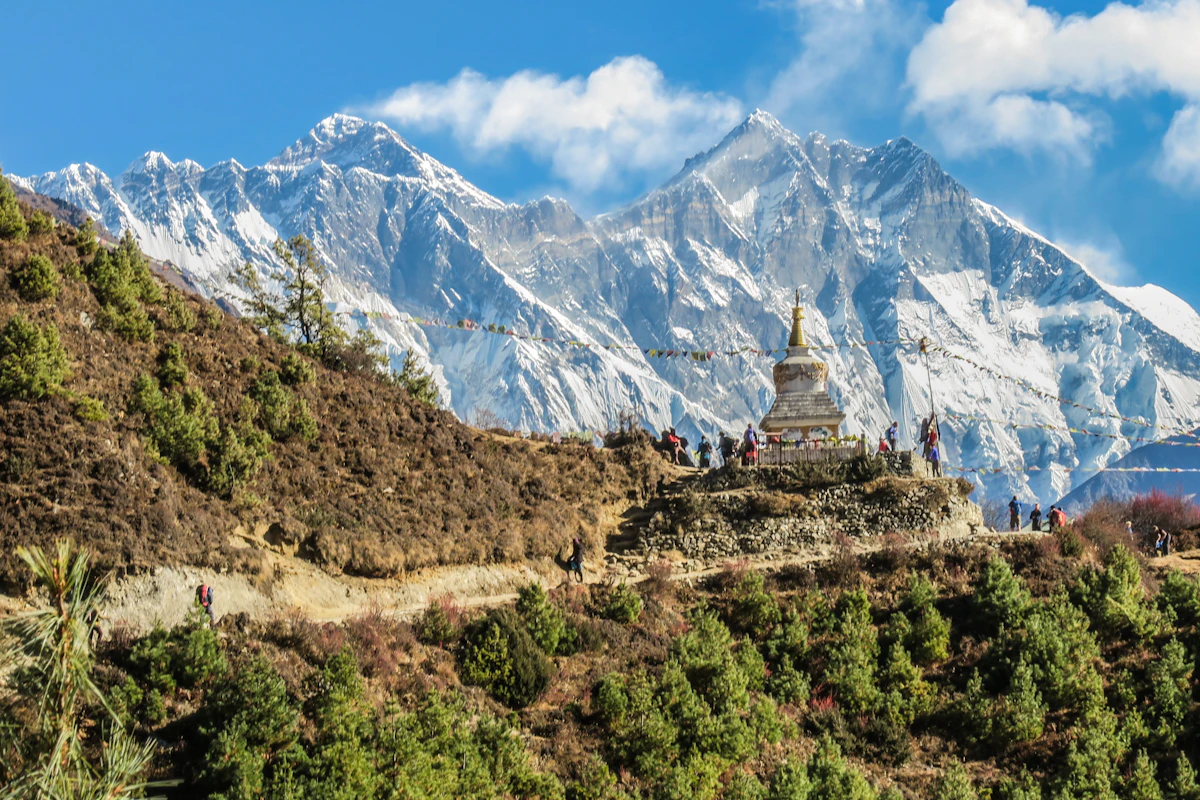
The quintessential Himalayan high-altitude pilgrimage. This legendary route follows the surging Dudh Koshi river through pine and rhododendron forests into the high Sherpa capital of Namche Bazaar. Above the tree line, walk through sacred monastery villages before trekking across the active Khumbu Glacier moraine to stand at the foot of Mount Everest (8,848.86m), culminating in a pre-dawn climb of Kala Patthar for the greatest sunrise panorama on Earth.
Difficulty Grade
Duration
The master woodcarvings, gilded pagoda roofs, and living cultural traditions of Kathmandu, Patan, and Bhaktapur
Grassland safaris, endangered one-horned rhinoceros tracking, canoe glides, and indigenous Tharu hospitality
A tranquil 3-day mountain retreat along Phewa and Begnas lakes, focusing on rest, scenery, and gentle strolls
High Sherpa Monasteries & Himalayan Vistas Below 4,000 Meters
A magnificent high-Himalayan journey tailored for travelers who want to experience the sacred beauty of the Khumbu region, witness Mount Everest and Ama Dablam, and immerse themselves in Sherpa culture without the extreme physical strain, cold, and hypoxia of trekking above 5,000 meters. Overnights remain in comfortable, well-insulated lodges with exceptional valley cuisine.
Key Highlights
Sacred Turquoise Waters & Four 8,000-Meter Peaks
A serene, dramatic alternative to the crowded classic Everest Base Camp route. Diverging from Namche Bazaar, you branch north into the tranquil Gokyo Valley, hiking alongside the Ngozumpa Glacier—the longest glacier in the Himalayas—to discover a chain of six shimmering, turquoise-blue glacial lakes. The dawn climb of Gokyo Ri delivers what mountaineers widely consider the finest panoramic viewpoint in Nepal, unveiling Everest, Lhotse, Makalu, and Cho Oyu simultaneously.
Key Highlights
A High Glacial Amphitheater Enclosed by Himalayan Giants
Journey deep into the mystical Annapurna Sanctuary—a natural amphitheater surrounded by a fortress of 10 soaring peaks over 7,000 and 8,000 meters. The trail ascends through terraced paddy fields, dense bamboo and blooming rhododendron forests, and traditional stone Gurung villages, before entering the high alpine gorge leading directly to the foot of Annapurna I (8,091m) and Machhapuchhre (6,993m). End with a soothing soak in natural riverside hot springs at Jhinu Danda.
Key Highlights
The Ultimate Trans-Himalayan Crossing Over Thorong La Pass
One of the greatest wilderness circuits on the planet. Encircling the entire Annapurna Massif, this epic route journeys through dramatic climate zones: from lush subtropical rice fields and roaring river gorges into Tibetan-style stone villages in the rainshadow of Manang, culminating in an exhilarating crossing of the world's highest navigable mountain pass—Thorong La (5,416m)—before descending into the arid sacred desert landscapes of Muktinath and Mustang.
Key Highlights
Rhododendron Canopies & The Great Dhaulagiri Sunrise
The premier short trek in the Himalayas. Perfectly suited for beginner hikers, families, and photographers with limited time, this classic 5-day route winds through the world's largest blooming rhododendron forests, traditional slate-roofed Gurung villages, and cascading waterfalls, culminating in a world-famous sunrise from Poon Hill overlooking Dhaulagiri I (8,167m), Annapurna South, and Machhapuchhre.
Key Highlights
High Alpine Ridges in the Shadow of the Sacred Fishtail
A stunning, fast-rising alpine ridge trek that stays high above the valley floors. Following a narrow crest directly beneath Machhapuchhre (Fishtail Mountain), the trail climbs through enchanted rhododendron and mossy fairy forests to open alpine grasslands at Badal Danda (Cloud Ridge). Watch the sun sink into an ocean of clouds from High Camp before pushing to Mardi Himal Base Camp (4,500m) for dramatic, close-up mountain faces.
Key Highlights
Untamed Himalayan Wilderness Around the Mountain of the Spirit
A raw, uncommercialized wilderness circuit around Mount Manaslu (8,163m)—the world's eighth highest mountain. Opened to foreign trekkers only in 1991, this restricted-area trek ascends the dramatic, narrow Budhi Gandaki river gorge, traversing suspension bridges suspended above roaring rapids, before opening into the high Buddhist Tibetan valley of Nubri. Experience centuries-old monasteries, mani walls, and traditional yak-herding villages before tackling the snow-covered Larkya La Pass (5,106m).
Key Highlights
The Valley of Glaciers, Tamang Heritage & Alpine Yak Pastures
Just north of Kathmandu along the Tibetan border lies Langtang—the 'Valley of Glaciers'. This rewarding 8-day trek requires no domestic flights, starting with a scenic drive to Syabrubesi. Follow the Langtang Khola through subtropical oak and rhododendron forests up to the wide glacial valley where yaks graze beneath Langtang Lirung (7,227m). Visit the ancient monastery and Swiss-assisted yak cheese factory at Kyanjin Gompa, and climb Kyanjin Ri or Tserko Ri for breathtaking 360-degree glacier panoramas.
Key Highlights
Ancient Tibetan Sky Caves & The Preserved Medieval Kingdom
Step back in time into Upper Mustang—the ancient, walled Kingdom of Lo. Hidden in the trans-Himalayan rainshadow behind the giant massifs of Annapurna and Dhaulagiri, this arid desert plateau preserved classical Tibetan culture untouched for centuries. Explore mysterious 2,500-year-old sky caves carved into vertical sandstone cliffs, medieval fortified villages, ochre-painted monasteries, and the royal palace inside the walled fortress capital of Lo Manthang.
Key Highlights
Traditional stone slate villages, Gurung hospitality, and close-up views of Annapurna South and Machapuchare
High above the Modi Khola canyon, Ghandruk is one of Nepal's largest and most storied Gurung settlements. Cobblestone alleyways pass beneath slate-roofed stone houses, with prayer flags fluttering against the dramatic south face of Annapurna (7,219m) and the distinctive fishtail spire of Machapuchare (6,993m). Rather than treating Ghandruk as a hurried transit stop on the Annapurna Sanctuary trek, this journey is designed for slow immersion: cooking millet rotis and nettle soup (sisnu) with local host families, visiting the Old Gurung Museum, learning about the indigenous Gurkha heritage, and walking through pristine oak and rhododendron forests to the quieter upper hamlet of Kot Danda. Visitors gain direct insight into the living culture of the Gurung (Tamu) people, their clan structures, and the vital role of the local Aama Samuha (Mothers' Group) in village cleanliness, path maintenance, and cultural preservation.
Key Highlights
One of the largest authentic Gurung settlements in the shadow of Lamjung Himal and Annapurna II
Perched at 1,980 meters on a terraced spur facing Lamjung Himal (6,988m) and Annapurna II (7,937m), Sikles is an astonishingly intact Gurung village of over 850 traditional slate-and-mud houses. Pioneered as an eco-tourism and micro-hydro conservation model by the Annapurna Conservation Area Project (ACAP), Sikles remains blissfully free from tourist crowds and commercialized trekking lodges. Travelers stay with local families, waking to the chime of brass water vessels and the aroma of woodsmoke and freshly roasted corn. The journey weaves through ancient clan wards, local shamanic (Ghyabre) shrines, organic cardamom farms, and a day hike to the dramatic avalanche-fed glacial cirque of Kapuche Lake (2,546m)—the lowest glacier lake in the world.
Key Highlights
Gentle village walks, mustard terraces, and pine ridge trails in the peaceful Kavre valley
Sitting on an isolated fertile plateau between the Roshi and Ladku rivers just beyond the southeastern rim of Kathmandu Valley, Balthali (1,730m) feels like an idyllic countryside retreat from another century. Surrounded by dense pine forests, vibrant mustard fields, and cascading river valleys, Balthali provides a peaceful escape from urban clamor without requiring mountain flights or strenuous ascents. Walk along terraced farmsteads where Newar, Tamang, and Chhetri communities practice regenerative agriculture, visit the ancient medieval trading town of Panauti, and hike up to the sacred Buddhist stupa of Namobuddha through whispering pine ridges.
Key Highlights
Nepal’s pioneer village tourism homestay nestled on the southern slopes of Syangja
Recognized internationally as Nepal’s first and most successful community-managed village tourism project (winning the prestigious PATA Gold Award), Sirubari (1,700m) is an immaculate Gurung village resting on the southern hills of Syangja district. The village is known for spotless cobblestone walkways, beautifully restored slate stone houses, blooming marigolds, and genuine warmth. Guests are received at the village entrance with flower garlands, tika, and traditional music played by local panche baja musicians. Accommodations operate on a strict rotational homestay basis, ensuring tourism income is shared equitably among families. Days are spent participating in village chores, walking to Thumro viewpoint for panoramic views of Dhaulagiri, Annapurna, and Manaslu, and attending evening cultural dances in the community hall.
Key Highlights
Nomadic yak herders, high-altitude pastures, and ancient mud-walled settlements of the high desert
Beyond the rain-shadow ramparts of the Annapurna and Dhaulagiri massifs lies the Tibetan-plateau desert of Upper Mustang. While most visitors focus solely on the fortified capital of Lo Manthang, this specialized journey ventures into the high-altitude pastures (drok) where Loba and Tibetan pastoralists herd yaks, goats, and mountain horses across stark ochre valleys. Witness the centuries-old rhythms of butter churning, wool spinning, and transhumant pastoralism, while staying in the historic cliffside settlements of Kagbeni, Tsarang, and Chhoser.
Key Highlights
A single curated day tracing centuries of lost-wax bronze casting, woodcarving, and terracotta pottery
Immerse yourself in a single, perfectly sequenced day celebrating the living craftsmanship of the Kathmandu Valley. Designed for travelers who appreciate the tactile arts, this journey brings you face-to-face with master potters in Bhaktapur spinning clay on wooden wheels and fifth-generation bronze casters in Patan practicing the ancient lost-wax technique. From the towering 5-story wooden architecture of Nyatapola to the exquisite bronze museum of Patan, this day offers deep appreciation for the Newari artisans whose work influenced sacred art throughout Tibet, China, and the Himalayas.
Key Highlights
The marble arches of Janaki Mandir, sacred ritual ponds, and vibrant indigenous Mithila folk paintings
Janakpur, ancient capital of the mythical Mithila Kingdom and birthplace of Goddess Sita, holds a vibrant cultural identity distinct from Nepal's hill regions. Dominated by the majestic 1910 Janaki Mandir—built in an ornate synthesis of Mughal and Rajput palace architecture—the city beats to the rhythm of morning temple conches, buzzing rickshaws, and peaceful ritual bathing ghats. Beyond temple architecture, Janakpur is the global center of Mithila art: intricate geometric folk paintings traditionally rendered on mud walls by Maithil women using natural dyes from marigolds, turmeric, and soot.
Key Highlights
The sacred birthplace of Siddhartha Gautama, the 3rd-century BC Ashoka Pillar, and global monasteries
In 623 BC, Queen Maya Devi gave birth to Prince Siddhartha Gautama beneath a sal tree in the gardens of Lumbini. Today, this UNESCO World Heritage Site is an extraordinary 3-square-mile sanctuary designed by visionary Japanese architect Kenzo Tange. Divided into the Sacred Garden, the Eastern Monastic Zone (Theravada), and the Western Monastic Zone (Mahayana/Vajrayana), Lumbini offers an oasis of quiet contemplation. Explore the excavated foundations of the 3rd-century BC brick temple, touch Emperor Ashoka's sandstone pillar, and cycle alongside the central canal connecting monasteries built by nations from Cambodia to Germany.
Key Highlights
A 7-day cultural odyssey connecting the Malla royal cities, the plains of the Buddha's birth, and the Mithila kingdom
Connecting Nepal's three most culturally profound regions, this 7-day circuit offers an extraordinary panorama of religion, history, and architectural craftsmanship. From the medieval Newari pagoda squares of Kathmandu and Bhaktapur to the serene Buddhist pilgrimage grounds of Lumbini and the vibrant Hindu-Mithila folklore of Janakpur, travelers experience the spiritual synthesis and deep cultural diversity that define Nepal.
Key Highlights
The sacred shrine of liberation at 3,710m, with 108 stone spouts, eternal natural gas flames, and Kali Gandaki saligrams
Muktinath (Chumig Gyatsa in Tibetan—'Hundred Springs') is one of the world's most revered high-altitude pilgrimage destinations, sacred to both Hindus and Buddhists. Revered by Vaishnavite Hindus as one of the 108 Divya Desams, pilgrims journey here to bathe beneath the 108 water spouts carved as sacred cow heads (Mukti Dhara) and immerse themselves in two holy kundas to cleanse accumulated karma. For Tibetan Buddhists, it is a sacred power-spot blessed by Guru Padmasambhava, where miraculous blue flames burn directly on water and stone at Jwala Mai temple.
Key Highlights
A single reverent day tracing Nepal’s supreme Shiva shrine, Shakti Peethas, and the floating Vishnu of Budhanilkantha
For over two millennia, the Kathmandu Valley has been revered as Devbhumi—the Land of the Gods. This carefully structured full-day pilgrimage takes devotees and cultural travelers through Nepal's most revered Hindu sacred sanctuaries in a single harmonious journey. From the mysterious 5th-century reclining stone deity of Budhanilkantha and the powerful Shakti Peetha of Guhyeshwari to the ancient Buddhist stupa of Swayambhunath, the day culminates on the holy banks of the Bagmati River at Pashupatinath for the majestic evening Maha Aarti.
Key Highlights
The 'Pashupatinath of the East' and Guru Padmasambhava's immortal cave of long life in the Khotang hills
Perched on a forested limestone ridge between the holy Sun Koshi and Dudh Koshi rivers in Khotang district, Halesi Mahadev (revered by Tibetan Buddhists as Maratika Cave) is one of the most enigmatic and deeply revered cave shrines in the Himalayas. Revered by Hindus as the sanctuary where Lord Shiva took refuge inside the subterranean limestone cavern to escape the demon Bhasmasura, it is simultaneously venerated by Vajrayana Buddhists as the sacred cave where Guru Padmasambhava (Guru Rinpoche) and his consort Mandarava attained the siddhi of immortal life (Chi-me Tse-drub) through the practice of Buddha Amitayus. Walk down into the massive, naturally illuminated main cavern, witness the self-arisen Shiva Linga stalagmites, pass through narrow karma-purifying rock fissures, and meditate in the upper Maratika Monastery overlooking the lush mid-hills of Eastern Nepal.
Key Highlights
A 4-day pilgrimage tracing the Buddha’s birthplace, ancient Shakya relics, and the colossal stupas of the Valley
Trace the footsteps of Siddhartha Gautama from his nativity grove in Lumbini through the Shakya royal palace grounds to the sacred Newar and Tibetan Buddhist power points of Kathmandu Valley. Designed for mindfulness, silent meditation, and study of Buddhist philosophy, this journey links Maya Devi's Sacred Garden and ancient Kapilvastu with the great mandala of Boudhanath Stupa and the sacred self-arisen hill of Swayambhunath.
Key Highlights
Untamed wilderness tracking in Nepal's largest undisturbed lowland national park
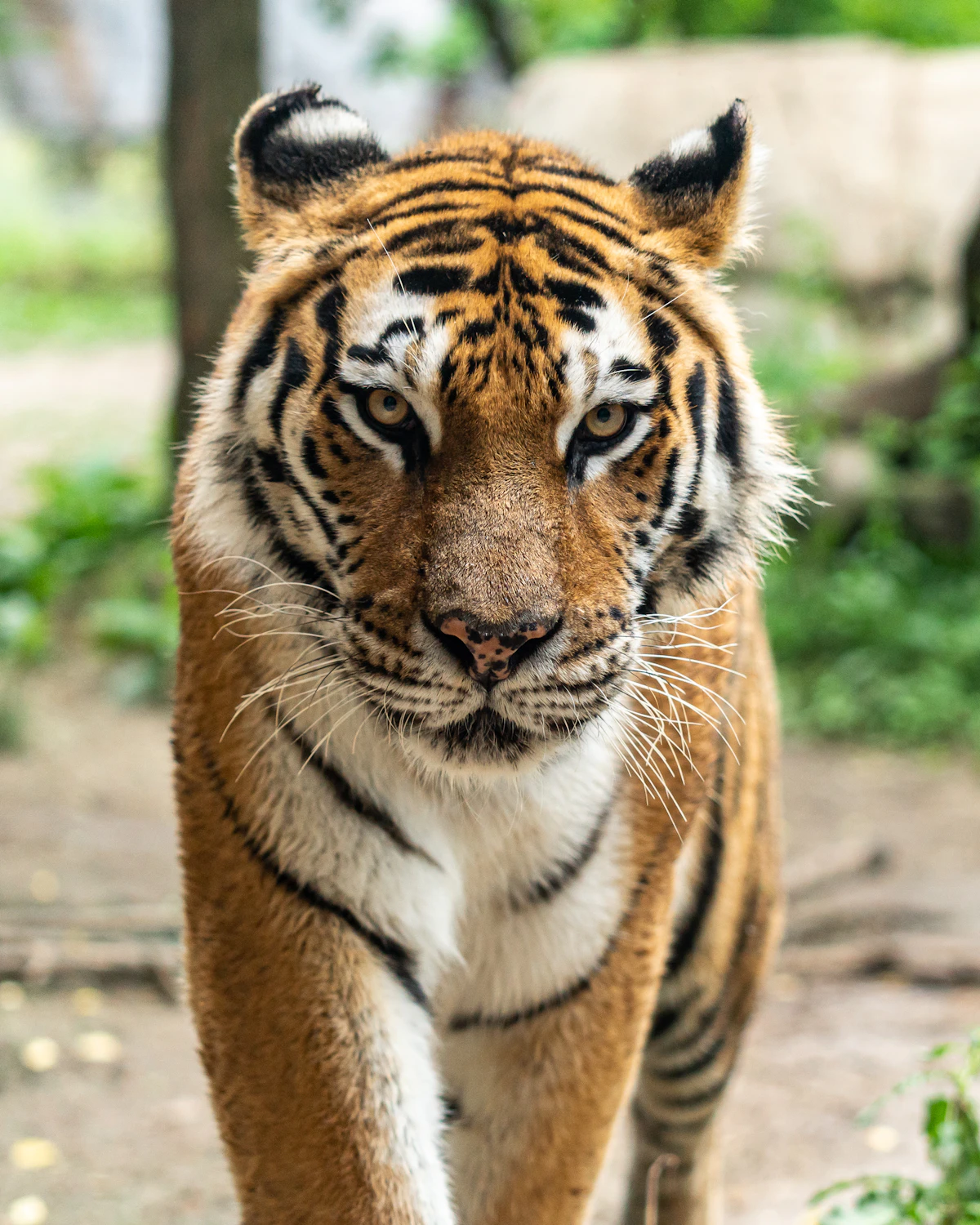
For travelers seeking true wilderness far away from tourist herds, Bardia National Park (968 sq km) in Far-Western Nepal is legendary. Unspoiled, vast, and flanked by the mighty Karnali and Babai rivers, Bardia hosts the highest density of Royal Bengal tigers in Nepal (over 125 recorded individuals). Unlike commercial jeep circuits elsewhere, Bardia is famous for guided walking safaris: silently tracking tigers, wild elephants, and rhinos on foot with expert local naturalists across grassy savannas and tree-tower hides (machans).
Key Highlights
The premier Ramsar avian wetland of South Asia and the last refuge of Nepal's wild water buffalo (Arna)
Nestled on the vast alluvial floodplains of the Sapta Koshi River in Eastern Nepal, Koshi Tappu Wildlife Reserve (175 sq km) is designated as Nepal's first Ramsar Wetland of International Importance. Recognized as one of Asia's finest birdwatching destinations, the reserve hosts over 525 recorded avian species, including globally endangered species like the Bengal Florican, Swamp Francolin, Sarus Crane, and Baer's Pochard. In winter, thousands of migratory wildfowl descending from Siberia and Central Asia blanket the marshes, while muddy islands shelter the last surviving herds of wild water buffalo (Arna) in Nepal.
Key Highlights
Gentle hill walks, cable cars, lake boating, and mountain views designed for travelers of all ages
Traveling with children or grandparents requires an itinerary balanced with wonder, comfort, and minimal transit fatigue. This classic family journey connects the living history of Kathmandu with the open skies and tranquil waters of Pokhara, entirely avoiding grueling mountain highways via quick domestic flights. Experience the playful monkeys and city panoramas of Swayambhunath, take a morning cable car ride above the clouds, boat across tranquil Phewa Lake to an island shrine, and explore mountain museum exhibits and gentle cave waterfalls.
Key Highlights
Kathmandu heritage, Pokhara lake views, and Chitwan wildlife safari connected with private comfort
Designed specifically for mixed-age families traveling with both children and senior members, this seamless 7-day itinerary covers Nepal's celebrated 'Golden Triangle' without physical strain. Every excursion is carefully vetted for accessibility, smooth paving, and leisurely pacing: from wheelchair-accessible heritage plazas in Patan to gentle electric boat cruises in Pokhara and comfortable 4WD open-safari vehicles in Chitwan.
Key Highlights
Soar over Phewa Lake, leap from the world's second-highest bungee bridge at Kusma, and paddle the Seti Gorge
Pokhara is the uncontested adventure epicenter of the Himalayas. Framed by steep mountain walls dropping into deep river gorges, the topography offers world-class extreme sports within an hour of lakeside cafes. This curated 2-day high-octane itinerary combines three legendary thrills: tandem paragliding from the Sarangkot ridge with birds-of-prey thermals overlooking Phewa Lake, leaping 228 meters into the Kaligandaki gorge at Kusma (the world's second-highest bungee and canyon swing), and negotiating the churning milky rapids of the Seti River gorge.
Key Highlights
Paddle thrilling Class III-IV rapids, swim warm canyon pools, and sleep under stars on sandy riverbanks
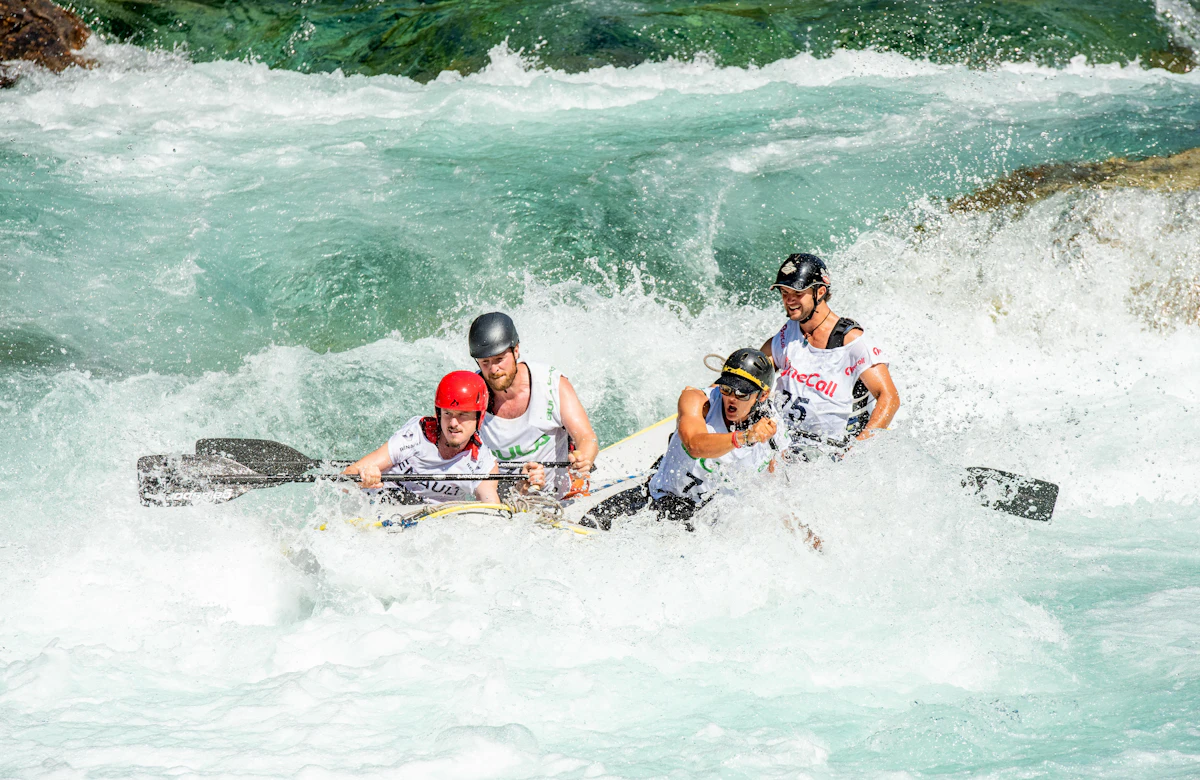
Originating high in the Tibetan plateau from Langtang glacial meltwaters, the Trishuli River carves a dramatic gorge between Kathmandu and the southern plains. Renowned as Nepal's most popular whitewater journey, the Trishuli is ideal for both first-time rafters and experienced adventurers, featuring exhilarating roller-coaster rapids named Snell's Nose, Teen Kanya, Twin Rocks, and Upset. Spend the day navigating booming wave trains and calm swimming pools, then camp on secluded white sandy beaches beneath starry canyon skies.
Key Highlights
A rugged Scorpio 4WD journey into the forbidden kingdom of Lo, cliffside sky caves, and Tibetan plateau deserts
For travelers who want to explore the remote, mystical walled kingdom of Upper Mustang without undertaking a 14-day trekking itinerary, this high-clearance 4WD expedition opens the ancient Trans-Himalayan salt trade route. Drive through the world's deepest river gorge between Dhaulagiri and Annapurna, climb across barren wind-swept passes decorated with prayer flags, explore prehistoric multi-story cave complexes carved into vertical canyon walls, and cross into the walled fortress capital of Lo Manthang.
Key Highlights
First Himalayan dawn light across the Langtang and Everest ranges, followed by a pine forest ridge hike to Nepal's oldest temple
Perched on the northeastern rim of the Kathmandu Valley, Nagarkot (2,175m) is legendary for offering one of the widest panoramic views of the Himalaya reachable by road—stretching from Dhaulagiri in the west past Annapurna, Manaslu, Ganesh Himal, and Langtang to Everest in the far east. After greeting the dawn alpenglow, embark on a magnificent 12-kilometer gentle downhill ridge hike through rural Tamang villages, terraced mustard fields, and fragrant pine forests, concluding at the 5th-century UNESCO World Heritage hilltop temple of Changu Narayan.
Key Highlights
The sacred confluence of Indreshwar Mahadev, ancient Newari brick alleys, and the great compassionate stupa of Thrangu Tashi Yangtse
Leave the traffic of Kathmandu behind for a journey into the timeless Kavre valley, connecting one of Nepal's oldest surviving medieval Newar towns with one of Tibetan Buddhism's three supreme pilgrimage stupas. Begin in ancient Panauti, situated at the sacred confluence of two holy rivers, where the 14th-century Indreshwar Mahadev temple stands surrounded by traditional brick architecture. Then climb into the pine-covered hills to Namobuddha (1,750m), where the colossal monastery complex of Thrangu Tashi Yangtse resonates with monks' horn chants and fluttering prayer flags.
Key Highlights
Ascend through oak and rhododendron cloud forests to the sacred source of the Bagmati River and 2,732m peak
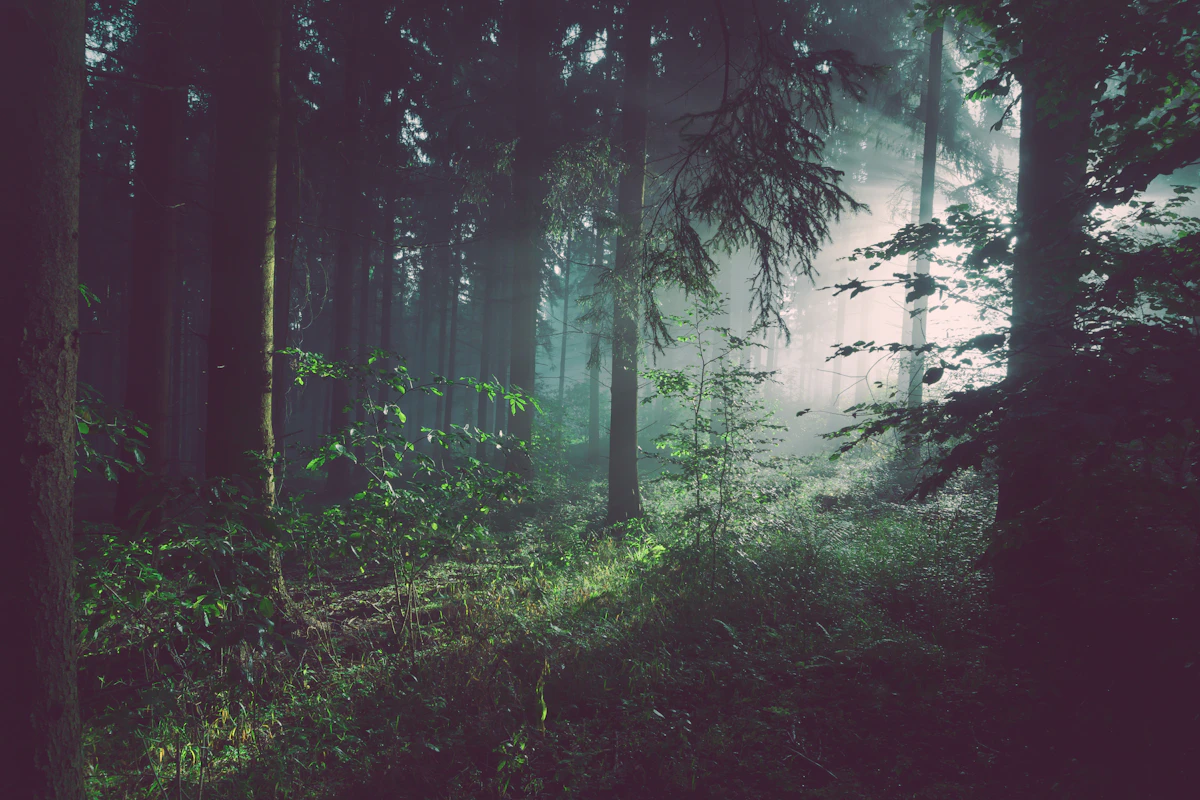
Rising directly along the northern rim of Kathmandu Valley, Shivapuri Peak (2,732m) is the second-highest point on the valley rim and forms the pristine ecological watershed supplying pure drinking water to the capital. Ascending through protected temperate cloud forests of oak, laurel, and blooming red rhododendrons, this active day hike leads past the serene Buddhist nunnery of Nagi Gompa to Bagdwar—the sacred source of the holy Bagmati River where crystal mountain water flows from carved stone tiger mouths. Push onward to the summit for sweeping views of the Langtang and Ganesh Himal ranges.
Key Highlights
Every curated journey can be loaded directly into our Journey Builder, where you can add stops, adjust daily pacing, and customize travel notes to match your personal travel preferences.