YouTube
Open YouTube
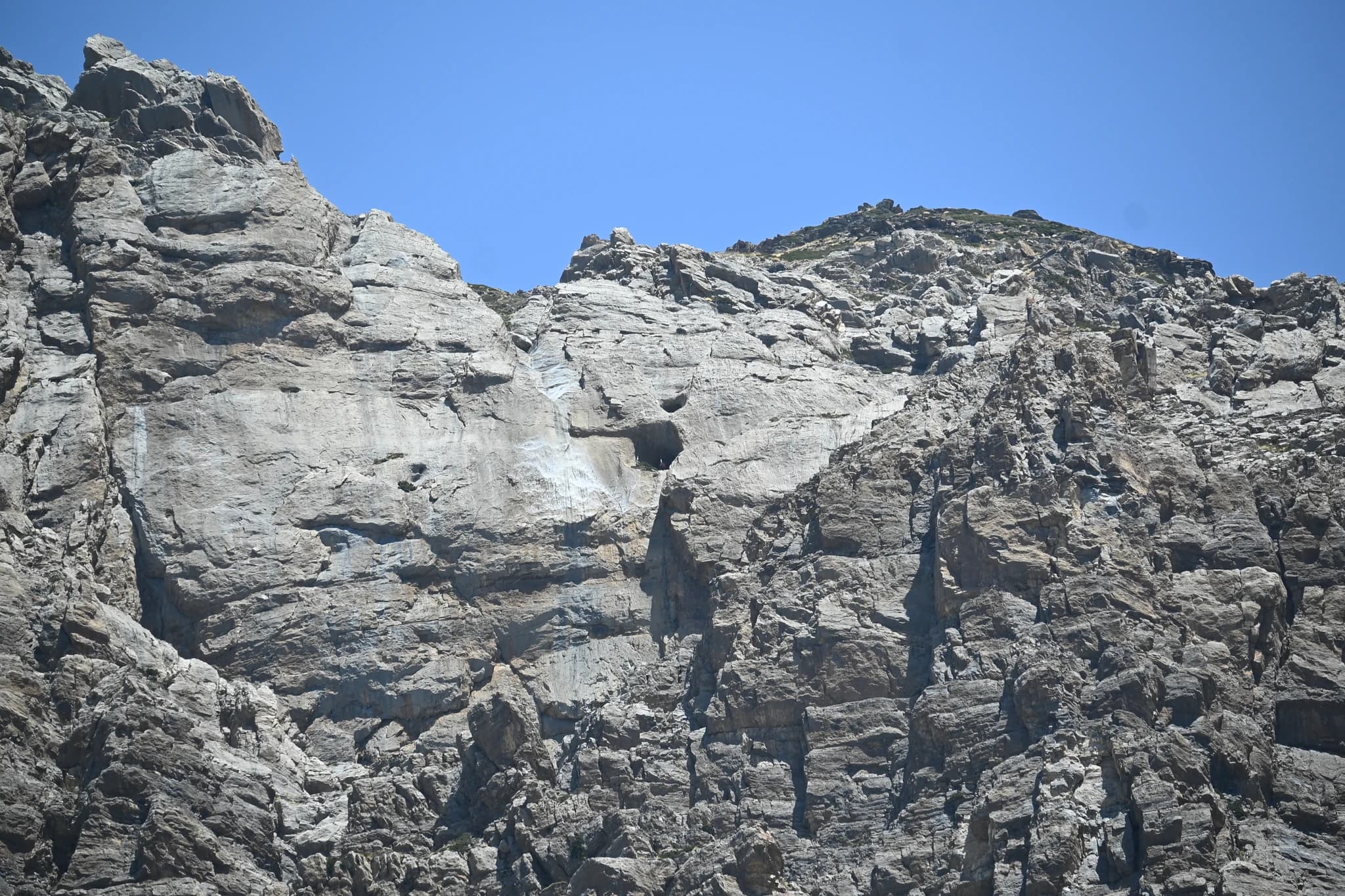
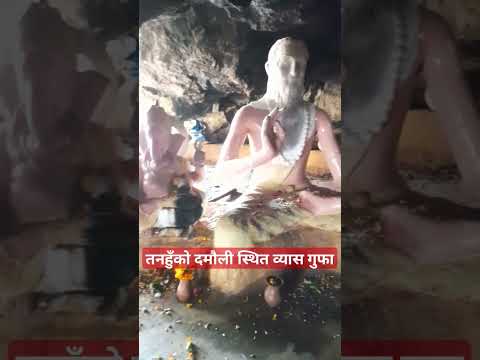
Vyas Cave (Vedvyas Gufa) is an ancient, deeply venerated Hindu pilgrimage and historical hermitage located in Damauli, at the sacred confluence (Sangam) where the glacial Seti Gandaki River merges with the Madi River. According to sacred Hindu tradition, Puranic scriptures, and local folklore, this tranquil natural cave is the hallowed birthplace of the supreme sage Maharishi Veda Vyas—the revered compiler of the four Vedas, author of the eighteen Mahapuranas, and composer of the great epic Mahabharata. The site features a subterranean rocky cavern where Sage Vyas is said to have engaged in deep yogic penance and contemplation. Surrounding the cave is an extensive ashram complex with stone ghats along the riverbanks, meditation halls, a life-sized statue of Maharishi Vyas, and an imposing pedestrian suspension bridge offering sweeping views of the twin rushing rivers. Pilgrims from across Nepal and India visit the sanctuary on Guru Purnima and Vyas Jayanti to take ritual cleansing baths in the holy confluence and pay homage at the ancient cave sanctum, which stands as a monumental pillar of South Asian spiritual and literary heritage.
Vyas Cave (Vedvyas Gufa) is an ancient, deeply venerated Hindu pilgrimage and historical hermitage located in Damauli, at the sacred confluence (Sangam) where the glacial Seti Gandaki River merges with the Madi River. According to sacred Hindu tradition, Puranic scriptures, and local folklore, this tranquil natural cave is the hallowed birthplace of the supreme sage Maharishi Veda Vyas—the revered compiler of the four Vedas, author of the eighteen Mahapuranas, and composer of the great epic Mahabharata. The site features a subterranean rocky cavern where Sage Vyas is said to have engaged in deep yogic penance and contemplation. Surrounding the cave is an extensive ashram complex with stone ghats along the riverbanks, meditation halls, a life-sized statue of Maharishi Vyas, and an imposing pedestrian suspension bridge offering sweeping views of the twin rushing rivers. Pilgrims from across Nepal and India visit the sanctuary on Guru Purnima and Vyas Jayanti to take ritual cleansing baths in the holy confluence and pay homage at the ancient cave sanctum, which stands as a monumental pillar of South Asian spiritual and literary heritage.
1 available
2 available
YouTube
Open YouTube
YouTube
Open YouTube
Discover More

Bandipur is a living open-air museum of traditional Newari architecture and culture, perched gracefully on an isolated hilltop ridge at an elevation of 1,030 metres in Tanahun District. Established in the late 18th century as an affluent trading post by Newar merchants from Bhaktapur along the India-Tibet commerce route, Bandipur has preserved its exquisite medieval character with exceptional fidelity. The town's heart is a wide, stone-paved central bazaar completely closed to vehicular traffic, lined on both sides by handsome four-story brick townhouses featuring neoclassical facades, carved wooden struts, and open slate-roofed porticoes. Cascading bougainvillea vines and vibrant cafes spill out onto the flagstone avenue, creating an ambiance reminiscent of a Mediterranean hill village fused with classical Newar heritage. From the edge of the ridge at Tudikhel (a historic parade ground), travelers are greeted by an amphitheater of Himalayan giants spanning Dhaulagiri (8,167m), Annapurna I (8,091m), Machhapuchhre (6,993m), Manaslu (8,163m), and Ganesh Himal. With its quiet walking trails, boutique heritage guesthouses, and absence of motor noise, Bandipur represents one of Nepal's most tranquil and culturally authentic destinations.

The Bhanubhakta Memorial at Chundi Ramgha is a national literary and cultural heritage landmark in Bhanu Municipality, Tanahun, commemorating the birthplace of Adikavi Bhanubhakta Acharya (1814–1868), revered as the pioneer poet and founding father of modern Nepali literature. Bhanubhakta revolutionized Nepali society by translating the great Hindu epic Ramayana from classical Sanskrit into accessible, poetic Nepali, unifying diverse linguistic communities through a shared literary medium. The memorial complex in Ramgha features a bronze statue of Adikavi Bhanubhakta, a dedicated literary museum displaying historic manuscripts, archival portraits, and traditional artefacts of 19th-century hill life, as well as the reconstructed homestead grounds (Bhanu Smriti Sthal). The surrounding hills of Chundi are celebrated for their tranquil rural beauty and terraced fields. Every year on 29th Ashadh (Bhanu Jayanti), writers, scholars, and cultural delegations from across Nepal and the worldwide Nepali diaspora gather here to recite poetry and celebrate the enduring legacy of the literary pioneer who gave voice to the Nepali nation.

Bimalnagar Rock Climbing Crag is Nepal's premier natural outdoor sport climbing destination, situated along the base of towering limestone cliffs flanking the Prithvi Highway and Marshyangdi River in Bimalnagar, Bandipur Rural Municipality. Developed by international mountain guides and local mountaineering enthusiasts, the crag features over 30 permanently bolted single-pitch sport climbing routes ranging in difficulty from beginner 5a to expert 7c. The solid limestone rock face rises up to 55 metres high, featuring vertical slabs, technical overhangs, crimpy finger pockets, and natural tufas that challenge climbers of all skill levels. Located immediately adjacent to the trekking trailhead for Siddha Gufa (Nepal's largest cave), Bimalnagar provides an unmatched adventure hub where travelers can combine rock climbing, caving, and ridge hiking in a single day. Local climbing gear rental, certified instructors, and riverside campsites along the Marshyangdi make Bimalnagar a thriving epicenter for Nepal's growing outdoor climbing community, conveniently accessible halfway between Kathmandu and Pokhara.

Chhabdi Barahi Temple is one of Tanahun's most celebrated and spiritually revered Hindu pilgrimage destinations, situated in an idyllic forested river gorge in Vyas Municipality, roughly 7 kilometres east of Damauli. The shrine is consecrated to Goddess Barahi, manifestation of feminine protective power, and is deeply cherished by both the indigenous Magar community and devotees from across the western hills. The temple compound is nestled alongside the sparkling waters of the Chhabdi stream under the shade of ancient towering sal trees. Its most enchanting feature is a sacred natural spring pond teeming with sacred fish; according to longstanding religious custom, visitors feed these fish with puffed rice, and catching or harming them is strictly taboo. Devotees strongly believe that sincere prayers offered to Goddess Chhabdi Barahi ensure the fulfillment of heartfelt wishes, safe childbirth, and family prosperity. During Saturdays, Tuesdays, and the festive days of Chaitra Dashain and Navaratri, vibrant crowds gather to perform traditional puja rituals and animal offerings in a joyous spiritual celebration.

Dhorbarahi Temple is an ancient and mystical Hindu religious shrine located amidst a tranquil virgin forest in Dhorphirdi, Shuklagandaki Municipality, western Tanahun. Surrounded on all sides by dense green hills and serene bamboo groves, the temple is dedicated to Goddess Barahi and has drawn pilgrims and naturalists for generations because of an extraordinary hydrological phenomenon. In the temple's sacred stone pool (Kunda), the water level spontaneously and mysteriously rises and falls in rhythmic waves resembling a tidal pulse—a phenomenon locally described as 'Lahare Barahi' (flowing waves). When the sacred surge of water enters the pool from an underground subterranean aquifer, temple bells are rung to alert pilgrims that the Goddess is showering her divine blessings upon the congregation. Devotees offer coconuts and red vermilion, and bathe in the cool forest spring waters believing they possess miraculous healing qualities for skin afflictions. The quiet woodland surroundings provide a profoundly peaceful retreat away from urban bustle, making Dhorbarahi a unique fusion of natural mystery and deep spiritual devotion.

Khadga Devi Temple is the spiritual cornerstone and most sacred historical shrine in Bandipur, revered as the maternal guardian of the town. Unlike conventional Hindu pagodas that enshrine figurative stone statues, Khadga Devi enshrines a sacred divine sword (Khadga) wrapped securely in ceremonial silk fabrics, believed by legend to have belonged to King Mukunda Sen of 16th-century Palpa and bestowed as a divine boon by Goddess Durga. The temple itself resembles a traditional two-story Newari residential home with carved wooden windows and sloping eaves, deliberately blending into the surrounding domestic heritage architecture. Devotees revere the shrine as an emblem of female spiritual empowerment, royal valor, and community sanctity. During the grand festival of Dashain (specifically on the seventh day of Phulpati and the night of Maha Ashtami), the sanctum opens and the legendary sword is paraded through the flagstone streets in a vibrant sacred procession accompanied by traditional Newari Dhimay drums and buffalo sacrifices, drawing thousands of devotees from across Gandaki Province.