YouTube
Youtube Shorts
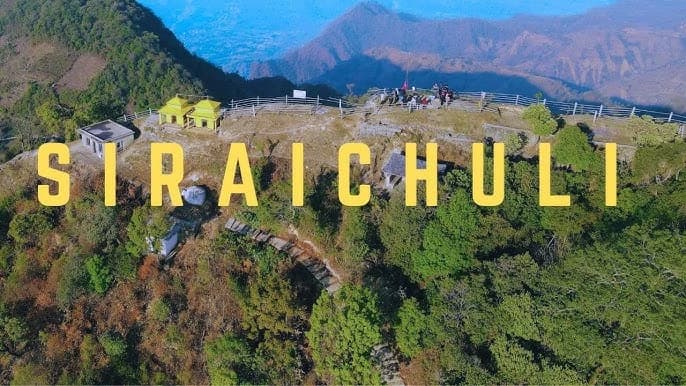
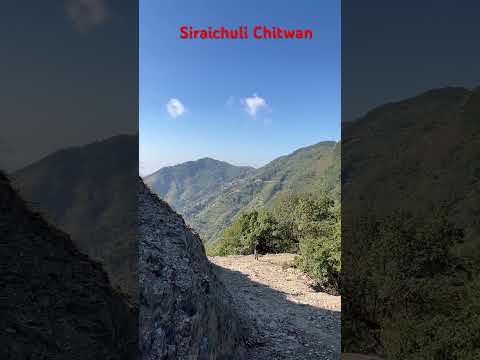
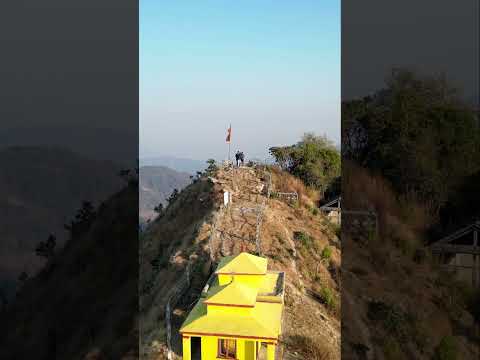
Known as Siraichuli Peak, and also spelled Siraichuli Danda or simply Siraichuli, this spectacular hilltop destination in Chitwan district is the highest point of the Churia (Siwalik) Range in central Nepal, standing at an elevation of approximately 1,945 meters above sea level. Located within the Chitwan–Annapurna Landscape, the peak is renowned for its breathtaking 360-degree panoramic views of the Himalayan ranges, including Annapurna, Manaslu, Ganesh Himal, Langtang, and Dhaulagiri on exceptionally clear days, along with sweeping views of the Terai plains to the south. The hike to Siraichuli passes through dense forests of sal, pine, and rhododendron, rich in wildlife and birdlife, making it a rewarding experience for nature lovers and birdwatchers. The summit is especially famous for its mesmerizing sunrise and sunset, when the snow-capped mountains glow in golden hues while clouds drift across the valleys below. Spring and autumn are the best seasons to visit, offering pleasant temperatures, blooming rhododendrons, and crystal-clear mountain vistas. Despite its incredible scenery, Siraichuli remains relatively less crowded, providing a peaceful escape for trekkers, campers, photographers, and adventure enthusiasts. Whether you're seeking a scenic day hike, panoramic Himalayan views, or an off-the-beaten-path adventure, Siraichuli Peak (Siraichuli Danda/Siraichuli) is one of Chitwan's most rewarding natural destinations.
Known as Siraichuli Peak, and also spelled Siraichuli Danda or simply Siraichuli, this spectacular hilltop destination in Chitwan district is the highest point of the Churia (Siwalik) Range in central Nepal, standing at an elevation of approximately 1,945 meters above sea level. Located within the Chitwan–Annapurna Landscape, the peak is renowned for its breathtaking 360-degree panoramic views of the Himalayan ranges, including Annapurna, Manaslu, Ganesh Himal, Langtang, and Dhaulagiri on exceptionally clear days, along with sweeping views of the Terai plains to the south. The hike to Siraichuli passes through dense forests of sal, pine, and rhododendron, rich in wildlife and birdlife, making it a rewarding experience for nature lovers and birdwatchers. The summit is especially famous for its mesmerizing sunrise and sunset, when the snow-capped mountains glow in golden hues while clouds drift across the valleys below. Spring and autumn are the best seasons to visit, offering pleasant temperatures, blooming rhododendrons, and crystal-clear mountain vistas. Despite its incredible scenery, Siraichuli remains relatively less crowded, providing a peaceful escape for trekkers, campers, photographers, and adventure enthusiasts. Whether you're seeking a scenic day hike, panoramic Himalayan views, or an off-the-beaten-path adventure, Siraichuli Peak (Siraichuli Danda/Siraichuli) is one of Chitwan's most rewarding natural destinations.
2 available
2 available
YouTube
Youtube Shorts
YouTube
Youtube Shorts
Discover More

Known as Bis Hazari Taal, and also called Beeshazar Lake, 20,000 Lakes, or Beeshazari and Associated Lakes, this internationally important wetland in Chitwan district is one of Nepal's most beautiful freshwater ecosystems and a designated Ramsar Site. Located on the buffer zone of Chitwan National Park, the lake is surrounded by dense forests, marshes, grasslands, and interconnected ponds, creating an ideal habitat for an extraordinary variety of wildlife. The wetland is home to the endangered one-horned rhinoceros, mugger crocodile, python, otters, numerous fish species, and over 270 species of resident and migratory birds, making it one of Nepal's premier birdwatching destinations. Visitors can enjoy peaceful boat rides, nature walks, wildlife photography, and birdwatching while experiencing the tranquil beauty of the lake and its surrounding wetlands. The best time to visit is from October to March, when migratory birds arrive and the pleasant weather offers excellent opportunities for wildlife observation. The area also serves as an important ecological corridor connected to Chitwan National Park, playing a vital role in conserving Nepal's rich biodiversity. Whether you're a wildlife enthusiast, photographer, birdwatcher, or nature lover, Bis Hazari Taal (Beeshazar Lake/20,000 Lakes/Beeshazari and Associated Lakes) offers one of the most peaceful and rewarding eco-tourism experiences in Nepal.

Known as Chitwan National Park, and formerly called the Royal Chitwan National Park, this UNESCO World Heritage Site in Chitwan district is Nepal's first national park and one of Asia's most celebrated wildlife destinations. Established in 1973 and recognized as a UNESCO World Heritage Site in 1984, the park protects vast expanses of Sal forests, riverine forests, grasslands, and wetlands along the Rapti, Reu, and Narayani rivers. It is world-renowned for conserving the endangered one-horned rhinoceros, Royal Bengal tiger, Asian elephant, gharial crocodile, sloth bear, leopard, and more than 600 species of birds, making it a paradise for wildlife enthusiasts and birdwatchers. Visitors can experience thrilling jeep safaris, canoe rides, guided jungle walks, birdwatching tours, and cultural programs showcasing the traditions of the indigenous Tharu community. The best time to visit is from October to March, when pleasant weather and better visibility provide excellent opportunities for wildlife sightings. Located just a short distance from Sauraha, the park is one of Nepal's most accessible and rewarding eco-tourism destinations. Whether you're seeking unforgettable wildlife encounters, exciting jungle adventures, or an immersive experience in Nepal's natural heritage, Chitwan National Park (Royal Chitwan National Park) offers an extraordinary journey into the heart of the Terai wilderness.

Known as Devghat Dham, and also called Devghat, Devghat Pilgrimage Site, or Devghat Tirtha, this sacred Hindu pilgrimage destination in Chitwan district is one of Nepal's holiest religious sites. Situated at the confluence of the Kali Gandaki and Trishuli rivers, where they unite to form the Narayani River, Devghat has been revered for centuries as a place of immense spiritual significance. According to Hindu beliefs, taking a holy bath at this sacred confluence washes away sins and brings peace, salvation, and spiritual merit. The area is home to numerous temples, ashrams, caves, and hermitages dedicated to deities such as Lord Shiva, Lord Vishnu, and Goddess Devi, attracting saints, pilgrims, and spiritual seekers from Nepal and India throughout the year. The site becomes especially vibrant during Makar Sankranti, when hundreds of thousands of devotees gather for holy bathing, religious rituals, and grand cultural celebrations. Surrounded by serene hills and the tranquil flow of the Narayani River, Devghat also offers a peaceful environment for meditation, yoga, and nature walks. Whether you're seeking spiritual enlightenment, exploring Nepal's religious heritage, or enjoying the scenic beauty of a sacred river confluence, Devghat Dham (Devghat/Devghat Tirtha/Devghat Pilgrimage Site) offers one of the most profound pilgrimage experiences in Nepal.

Known as the Gharial Breeding Center, and also called the Gharial Conservation Center or Gharial Breeding Centre, Kasara, this internationally recognized conservation facility in Chitwan district plays a vital role in protecting the critically endangered gharial crocodile. Located within Chitwan National Park near Kasara, the center was established in 1978 to breed and reintroduce gharials into Nepal's major river systems, including the Rapti, Narayani, Koshi, and Babai rivers. Visitors can observe gharials at different stages of development—from newly hatched juveniles to fully grown adults—while learning about their unique biology, conservation challenges, and the efforts being made to save the species from extinction. Informative exhibits explain the importance of river ecosystems and the role of gharials in maintaining ecological balance, making the center an excellent educational destination for families, students, and wildlife enthusiasts. The surrounding forests and wetlands of Chitwan National Park also provide opportunities to spot one-horned rhinoceroses, birds, deer, and other native wildlife. The best time to visit is from October to March, when pleasant weather and nearby jungle activities create an ideal wildlife experience. Whether you're passionate about conservation, wildlife photography, or discovering Nepal's remarkable biodiversity, the Gharial Breeding Center (Gharial Conservation Center/Gharial Breeding Centre, Kasara) offers a fascinating and meaningful visit.

Known as Jalbire Waterfall, and also called Jalbire Jharana or Jalbire Falls, this beautiful natural attraction in Chitwan district is a refreshing destination known for its cascading waters, lush greenery, and tranquil surroundings. Located near the Mugling–Narayanghat Highway, the waterfall is one of the most popular roadside attractions for travelers journeying between Kathmandu, Pokhara, and Chitwan National Park. Water tumbles gracefully over rocky cliffs into a natural pool below, creating a cool and scenic environment ideal for relaxation and photography. The surrounding forest, terraced hills, and peaceful countryside add to the waterfall's charm, making it a favorite spot for picnics, short hikes, and family outings. During the monsoon season, the waterfall becomes especially spectacular as the increased water flow creates a powerful cascade, while autumn and spring offer pleasant weather and safe conditions for sightseeing. Small local cafés and rest stops nearby allow visitors to enjoy local snacks while taking in the natural beauty of the area. Whether you're looking for a refreshing break during a road trip, scenic photography, or a peaceful escape into nature, Jalbire Waterfall (Jalbire Jharana/Jalbire Falls) is one of Chitwan's most accessible and enjoyable natural attractions.

Known as Meghauli, and also called Meghauli Village, this peaceful destination in Chitwan district is one of Nepal's premier eco-tourism and wildlife gateways, located on the western edge of Chitwan National Park along the banks of the Rapti River. Once a quiet Tharu settlement, Meghauli has gained international recognition for its luxury jungle lodges, community-based tourism, and exceptional wildlife experiences while preserving its authentic rural charm. The area offers excellent opportunities for jeep safaris, canoe rides, guided jungle walks, birdwatching, and cultural tours, where visitors may encounter the one-horned rhinoceros, Royal Bengal tiger, Asian elephant, sloth bear, gharial crocodile, and hundreds of bird species. Meghauli is also home to the indigenous Tharu community, allowing travelers to experience traditional Tharu culture, cuisine, dance performances, and village life. The nearby Rapti River is famous for its breathtaking sunsets, making it one of the best photography spots in Chitwan. The best time to visit is from October to March, when pleasant weather and improved wildlife visibility provide an unforgettable jungle experience. Whether you're seeking luxury wilderness retreats, authentic cultural encounters, or thrilling wildlife adventures, Meghauli (Meghauli Village) offers one of the finest safari and eco-tourism experiences in Nepal.