YouTube
Youtube Shorts
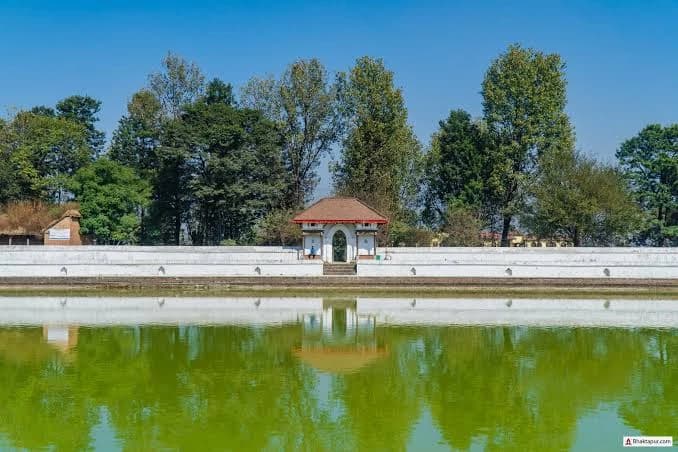
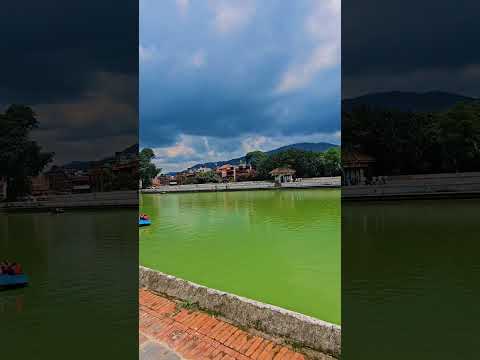
Known as Siddha Pokhari, and also called Ta Pukhu (meaning "Big Pond" in the Newari language), this historic royal pond in Bhaktapur is one of the city's most iconic and peaceful landmarks. Constructed in the 15th century during the reign of King Yaksha Malla, the pond was originally built as an important water reservoir and has remained a cherished part of Bhaktapur's cultural heritage for centuries. Covering a vast area, Siddha Pokhari is surrounded by ancient stone steps, shaded walkways, and traditional rest houses, creating a tranquil setting for relaxation and leisurely walks. The calm waters beautifully reflect the surrounding temples, trees, and sky, making it one of the most photogenic locations in the city, especially during sunrise and sunset. Visitors can enjoy feeding fish, observing local life, or simply unwinding in the peaceful atmosphere away from the bustling heritage squares. During major festivals such as Dashain, Tihar, and local Newar celebrations, the area comes alive with cultural activities and community gatherings. Conveniently located near Bhaktapur Durbar Square, Siddha Pokhari (Ta Pukhu) offers a perfect blend of history, culture, and natural beauty, making it an ideal destination for travelers seeking both relaxation and authentic heritage experiences.
Known as Siddha Pokhari, and also called Ta Pukhu (meaning "Big Pond" in the Newari language), this historic royal pond in Bhaktapur is one of the city's most iconic and peaceful landmarks. Constructed in the 15th century during the reign of King Yaksha Malla, the pond was originally built as an important water reservoir and has remained a cherished part of Bhaktapur's cultural heritage for centuries. Covering a vast area, Siddha Pokhari is surrounded by ancient stone steps, shaded walkways, and traditional rest houses, creating a tranquil setting for relaxation and leisurely walks. The calm waters beautifully reflect the surrounding temples, trees, and sky, making it one of the most photogenic locations in the city, especially during sunrise and sunset. Visitors can enjoy feeding fish, observing local life, or simply unwinding in the peaceful atmosphere away from the bustling heritage squares. During major festivals such as Dashain, Tihar, and local Newar celebrations, the area comes alive with cultural activities and community gatherings. Conveniently located near Bhaktapur Durbar Square, Siddha Pokhari (Ta Pukhu) offers a perfect blend of history, culture, and natural beauty, making it an ideal destination for travelers seeking both relaxation and authentic heritage experiences.
2 available
1 available
YouTube
Youtube Shorts
Discover More

Known as Bhaktapur Durbar Square, and also popularly called Bhadgaon Durbar Square or Khwopa Durbar Square, this UNESCO World Heritage Site is the historic heart of Bhaktapur, renowned for preserving some of the finest examples of medieval Newari architecture in Nepal. Once the royal palace of the Malla kings of Bhaktapur, the square flourished as a center of art, culture, and craftsmanship, leaving behind an extraordinary collection of temples, palaces, courtyards, and monuments. Visitors can explore iconic landmarks including the 55-Window Palace, Vatsala Temple, Golden Gate (Lun Dhwaka), Nyatapola Temple, Bhairavnath Temple, and the National Art Museum, each reflecting the artistic brilliance of the Newar civilization. Intricately carved wooden windows, elegant stone sculptures, and beautifully crafted brick structures make the square a paradise for history enthusiasts, photographers, and architecture lovers. The square comes alive during vibrant festivals such as Bisket Jatra, when colorful chariot processions, traditional music, and centuries-old rituals showcase the city's living cultural heritage. Surrounded by traditional pottery shops, artisan workshops, and cafés serving the famous Juju Dhau (King Curd), visitors can also experience the authentic flavors and craftsmanship of Bhaktapur. Whether you're exploring Nepal's royal history, admiring timeless architecture, or immersing yourself in Newari culture, Bhaktapur Durbar Square (Bhadgaon Durbar Square/Khwopa Durbar Square) offers one of the most unforgettable heritage experiences in the Kathmandu Valley.

Known as Changu Narayan Temple, and also referred to as Changu Temple or Dolagiri Narayan, this UNESCO World Heritage Site in Bhaktapur district is regarded as the oldest Hindu temple in Nepal, with inscriptions dating back to the 4th century AD. Dedicated to Lord Vishnu, the temple sits gracefully atop a hill surrounded by peaceful forests and traditional Newari villages, offering a serene spiritual atmosphere and panoramic views of the Kathmandu Valley. The present temple showcases the finest examples of traditional pagoda-style architecture, adorned with exquisitely carved wooden struts, intricate stone sculptures, and ancient metal artworks that reflect centuries of Newari craftsmanship. The temple complex houses remarkable masterpieces, including the famous Garuda statue, ancient stone inscriptions, and rare sculptures depicting various incarnations of Lord Vishnu, making it an important destination for historians and art enthusiasts. According to legend, Lord Vishnu was cursed and later redeemed at this sacred site, adding deep mythological significance to the temple. Major festivals such as Haribodhini Ekadashi and Vaikuntha Chaturdashi attract thousands of devotees who gather to offer prayers and celebrate with traditional rituals. Whether you're exploring Nepal's oldest heritage, admiring timeless architecture, or seeking a peaceful spiritual retreat, Changu Narayan Temple (Changu Temple/Dolagiri Narayan) offers one of the most remarkable cultural and religious experiences in the Kathmandu Valley.

Known as Dattatreya Square, and also called Dattatreya Chowk, this historic square in Bhaktapur is one of the city's oldest and most culturally significant heritage areas, preserving the timeless charm of traditional Newari civilization. The square is centered around the revered Dattatreya Temple, a 15th-century shrine dedicated to Lord Dattatreya, the combined manifestation of Brahma, Vishnu, and Shiva, and is believed to have been constructed from the timber of a single tree according to local legend. Surrounded by beautifully carved wooden houses, ancient monasteries, traditional courtyards, and artisan workshops, the square showcases some of the finest examples of Newari woodcarving and craftsmanship. Visitors can explore nearby landmarks such as the Woodcarving Museum, Brass & Bronze Museum, and centuries-old monasteries that highlight Bhaktapur's rich artistic and cultural heritage. The peaceful atmosphere makes it an ideal place to stroll through narrow brick-paved streets, interact with local craftsmen, and observe traditional wood and metalwork that continues to thrive today. During festivals and religious celebrations, the square comes alive with devotional rituals, music, and vibrant community gatherings that preserve centuries-old traditions. Whether you're fascinated by medieval architecture, living heritage, or authentic Newari culture, Dattatreya Square (Dattatreya Chowk) offers one of the most immersive cultural experiences in the Kathmandu Valley.

Known as the Kailashnath Mahadev Statue, and also popularly called the Kailashnath Shiva Statue or Sanga Mahadev Statue, this magnificent monument on the border of Bhaktapur and Kavrepalanchok districts is one of the world's tallest statues of Lord Shiva, standing approximately 143 feet (43.5 meters) high. Dedicated to Lord Shiva, the statue has become one of Nepal's most iconic religious and architectural landmarks, attracting pilgrims and tourists from around the world. Perched on a scenic hilltop near Sanga, the site offers breathtaking panoramic views of the surrounding valleys, lush hills, and distant Himalayan peaks on clear days. Visitors can explore the beautifully maintained temple complex, admire the intricate details of the colossal statue, offer prayers, and enjoy the peaceful spiritual atmosphere. The destination is especially vibrant during Maha Shivaratri, when thousands of devotees gather to celebrate with prayers, bhajans, and religious ceremonies. Its elevated location, landscaped gardens, and tranquil surroundings also make it a favorite spot for photography, family outings, and short excursions from Kathmandu. Whether you're seeking divine blessings, marveling at remarkable engineering, or enjoying spectacular scenery, Kailashnath Mahadev Statue (Kailashnath Shiva Statue/Sanga Mahadev Statue) offers one of the most inspiring spiritual and sightseeing experiences near the Kathmandu Valley.

Known as Nagarkot Hill Station, and also simply called Nagarkot, this breathtaking destination in Bhaktapur district is Nepal's most famous hill station, celebrated for its spectacular Himalayan sunrises and panoramic mountain views. Perched at an elevation of approximately 2,175 meters, Nagarkot offers stunning vistas of the Everest, Langtang, Ganesh Himal, Gaurishankar, Manaslu, Annapurna, and Dorje Lakpa ranges on clear days. The hill station is especially renowned for its mesmerizing sunrise and sunset, when the snow-capped peaks glow in shades of gold and crimson, creating one of the finest natural spectacles in the Kathmandu Valley. Visitors can enjoy scenic hiking trails, mountain biking, nature walks, and peaceful stays at hilltop resorts overlooking forests and terraced hillsides. The nearby Nagarkot View Tower provides an even more spectacular 360-degree panorama, making it a favorite spot for photographers and nature enthusiasts. Spring and autumn are considered the best seasons to visit, offering clear skies, pleasant weather, and vibrant rhododendron blooms along the surrounding trails. Located just a short drive from Kathmandu and Bhaktapur, Nagarkot Hill Station (Nagarkot) is the perfect destination for travelers seeking Himalayan beauty, outdoor adventure, and a refreshing escape from city life.

Known as Nyatapola Temple, and also popularly called the Nyatapola Pagoda or Five-Storey Temple, this iconic landmark in Taumadhi Square, Bhaktapur is the tallest pagoda-style temple in Nepal, standing approximately 33 meters (108 feet) high. Built in 1702 AD by King Bhupatindra Malla, the temple is dedicated to Goddess Siddhi Lakshmi, the powerful Tantric deity believed to protect the city and grant strength and prosperity. Renowned for its exceptional Newari craftsmanship, the five-tiered temple features beautifully carved wooden struts, intricate brickwork, and a grand staircase guarded by pairs of legendary stone figures, each symbolizing increasing strength and protection. Remarkably, the temple has withstood several major earthquakes, including the devastating 1934 and 2015 earthquakes, making it a masterpiece of traditional Nepalese engineering. From the upper levels, visitors are rewarded with stunning views of Taumadhi Square and the surrounding heritage city of Bhaktapur. The temple becomes especially vibrant during Bisket Jatra, when the square fills with colorful chariot processions, traditional music, and centuries-old celebrations. Whether you're captivated by sacred architecture, fascinated by Nepal's history, or looking to experience the living heritage of the Kathmandu Valley, Nyatapola Temple (Nyatapola Pagoda/Five-Storey Temple) is an unforgettable destination.