YouTube
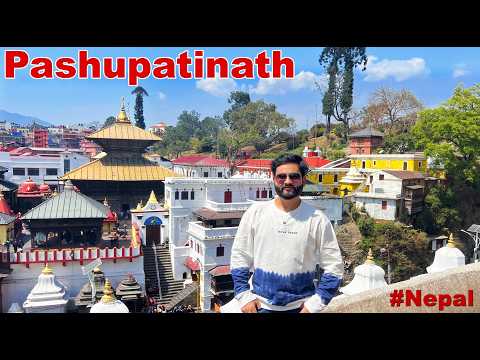
Pashupatinath Nepal
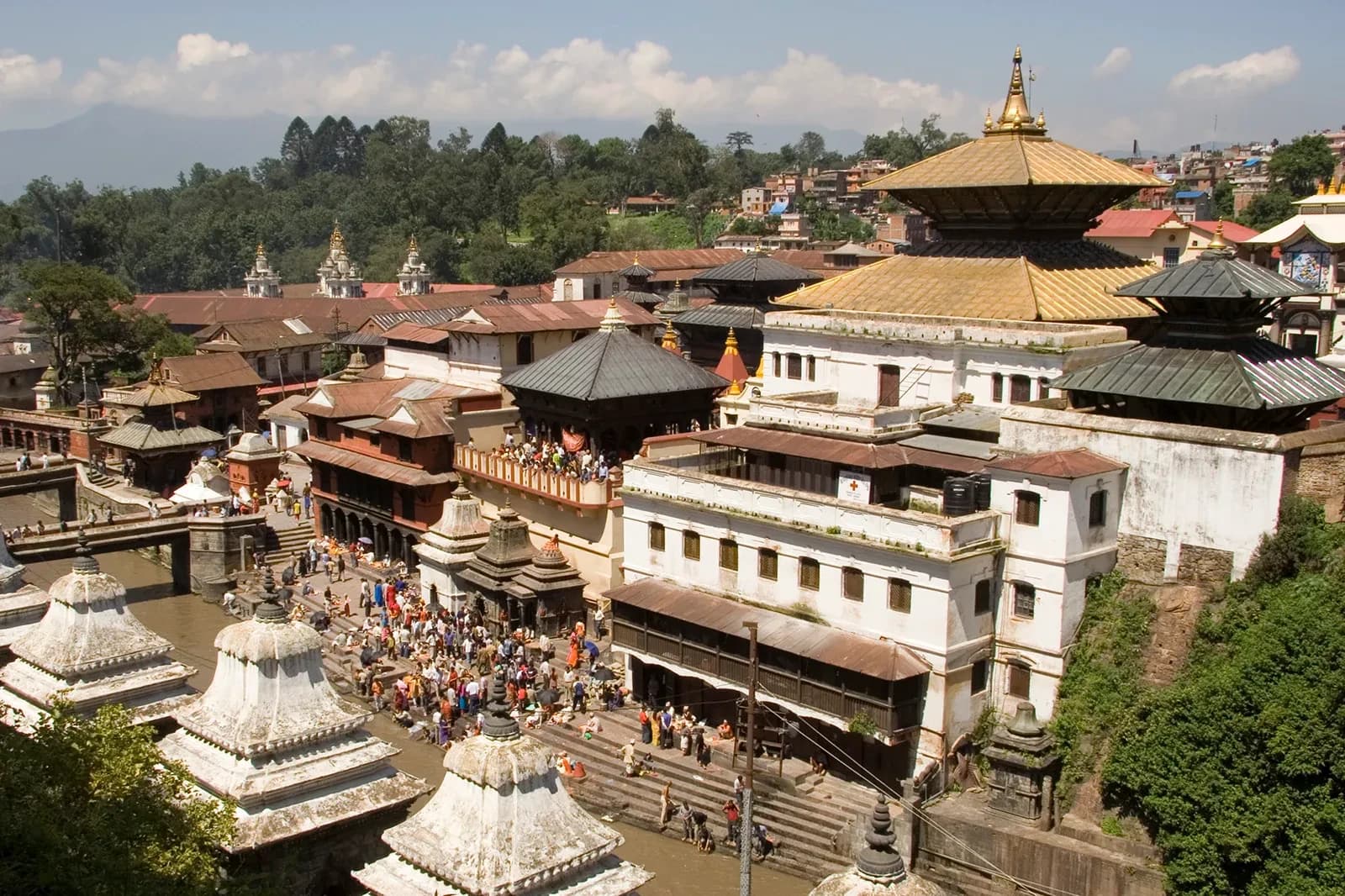
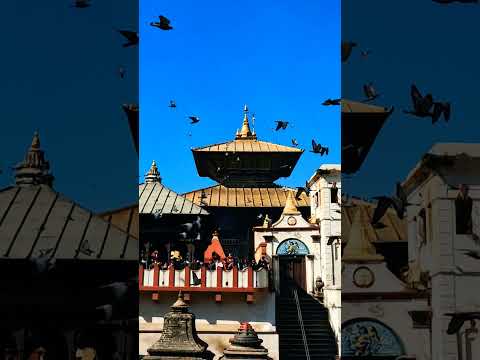
Known as Pashupatinath Temple, and also revered as Shree Pashupatinath or Pashupati Kshetra, this UNESCO World Heritage Site is Nepal's most sacred Hindu temple dedicated to Lord Shiva in his form as Pashupati, the Lord of All Living Beings. Situated on the banks of the Bagmati River in Kathmandu, the temple has been one of the most important pilgrimage destinations in South Asia for centuries, attracting millions of devotees from Nepal, India, and around the world. The magnificent two-tiered pagoda-style temple, adorned with intricately carved wooden architecture and a gilded roof, stands as a masterpiece of traditional Nepali craftsmanship. Visitors can witness sacred rituals, evening Bagmati Aarati, and the unique cremation ceremonies performed along the river ghats, offering a profound insight into Hindu beliefs about life and death. The temple complex also features hundreds of smaller shrines, ancient statues, ashrams, and monasteries that enrich its spiritual atmosphere. Maha Shivaratri is the grandest festival celebrated here, drawing thousands of sadhus and pilgrims in a spectacular display of faith and devotion. Whether you're seeking spiritual enlightenment, cultural heritage, or architectural beauty, Pashupatinath Temple (Shree Pashupatinath/Pashupati Kshetra) offers one of the most unforgettable and sacred experiences in Nepal.
Known as Pashupatinath Temple, and also revered as Shree Pashupatinath or Pashupati Kshetra, this UNESCO World Heritage Site is Nepal's most sacred Hindu temple dedicated to Lord Shiva in his form as Pashupati, the Lord of All Living Beings. Situated on the banks of the Bagmati River in Kathmandu, the temple has been one of the most important pilgrimage destinations in South Asia for centuries, attracting millions of devotees from Nepal, India, and around the world. The magnificent two-tiered pagoda-style temple, adorned with intricately carved wooden architecture and a gilded roof, stands as a masterpiece of traditional Nepali craftsmanship. Visitors can witness sacred rituals, evening Bagmati Aarati, and the unique cremation ceremonies performed along the river ghats, offering a profound insight into Hindu beliefs about life and death. The temple complex also features hundreds of smaller shrines, ancient statues, ashrams, and monasteries that enrich its spiritual atmosphere. Maha Shivaratri is the grandest festival celebrated here, drawing thousands of sadhus and pilgrims in a spectacular display of faith and devotion. Whether you're seeking spiritual enlightenment, cultural heritage, or architectural beauty, Pashupatinath Temple (Shree Pashupatinath/Pashupati Kshetra) offers one of the most unforgettable and sacred experiences in Nepal.
2 available
3 available
YouTube
Pashupatinath Nepal
YouTube
Youtube Shorts
YouTube
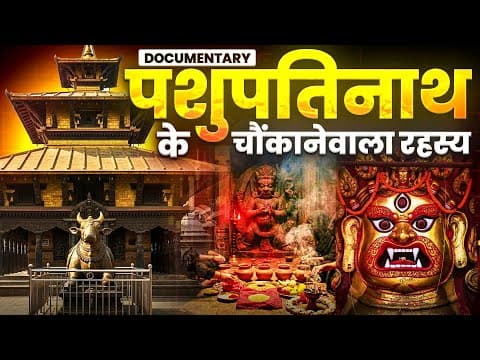
Mystery of Pashupatinath Temple
Discover More

Known as Boudhanath Stupa, and also popularly called Boudha Stupa, Bouddha Stupa, or Khasti Chaitya, this UNESCO World Heritage Site is one of the largest spherical Buddhist stupas in the world and the spiritual heart of Tibetan Buddhism in Nepal. Located in Kathmandu, the stupa has stood for centuries as a symbol of peace, compassion, and enlightenment, attracting pilgrims, monks, and travelers from across the globe. Its magnificent white dome, towering golden spire, and the iconic all-seeing Eyes of Buddha make it one of Nepal's most recognizable landmarks. Visitors can join devotees in the traditional kora (clockwise circumambulation), spin prayer wheels, light butter lamps, and soak in the serene atmosphere surrounded by monasteries, meditation centers, and Tibetan handicraft shops. The area comes alive during festivals such as Buddha Jayanti and Losar (Tibetan New Year) with colorful prayers, rituals, and cultural celebrations. Rooftop cafés around the stupa offer breathtaking panoramic views, especially during sunrise and the softly illuminated evenings. Whether you're seeking spiritual tranquility, Buddhist heritage, stunning architecture, or unforgettable cultural experiences, Boudhanath Stupa (Boudha Stupa/Bouddha Stupa/Khasti Chaitya) is an essential destination in Kathmandu.

Known as Budhanilkantha Temple, and also popularly called Jal Narayan Temple or Sleeping Vishnu Temple, this sacred Hindu shrine in northern Kathmandu is renowned for its magnificent 5-meter-long stone statue of Lord Vishnu reclining on the cosmic serpent Sheshnag in a serene water pond. Believed to date back to the 7th century, the temple is one of Nepal's most important pilgrimage sites dedicated to Lord Vishnu and attracts thousands of devotees and visitors throughout the year. The intricately carved black stone idol is regarded as a masterpiece of ancient craftsmanship and is surrounded by fascinating legends and religious significance. According to a long-standing tradition, Nepal's former kings did not visit the temple due to an ancient royal prophecy associated with the deity. The temple comes alive during Haribodhini Ekadashi, when thousands of pilgrims gather to offer prayers, perform rituals, and celebrate one of the most important festivals dedicated to Lord Vishnu. Nestled at the foothills of the Shivapuri Hills, the peaceful surroundings provide a tranquil atmosphere for worship, meditation, and photography. Whether you're drawn by its spiritual importance, remarkable history, unique architecture, or sacred legends, Budhanilkantha Temple (Jal Narayan Temple/Sleeping Vishnu Temple) offers one of Kathmandu's most fascinating and memorable religious experiences.

Known as Chandragiri Hills, and also popularly called Chandragiri Cable Car or Chandragiri Hill Resort, this breathtaking hilltop destination on the southwestern edge of Kathmandu is one of Nepal's most popular viewpoints, offering spectacular Himalayan panoramas and unforgettable cable car rides. Rising to an elevation of 2,551 meters, the hill is famous for providing magnificent views of the Everest, Annapurna, Langtang, Ganesh, Manaslu, and Dhaulagiri mountain ranges on clear days. According to history, King Prithvi Narayan Shah is believed to have first viewed the Kathmandu Valley from Chandragiri before unifying Nepal, making the site historically significant as well. Visitors can enjoy a scenic cable car journey through lush forests, explore the sacred Bhaleshwor Mahadev Temple, relax at hilltop cafés, and capture stunning sunrise and sunset views over the valley. The surrounding forests are home to diverse birds and wildlife, making the area equally appealing for short nature walks and photography. Spring and autumn are the best seasons to visit, when clear skies and blooming rhododendrons enhance the beauty of the landscape. Combining natural beauty, adventure, history, and spirituality, Chandragiri Hills (Chandragiri Cable Car/Chandragiri Hill Resort) is a perfect getaway for families, couples, photographers, and travelers exploring the Kathmandu Valley.

Known as Dakshinkali Temple, and also referred to as Dakshin Kali Temple, this revered Hindu shrine on the southern outskirts of Kathmandu is dedicated to Goddess Kali, the fierce manifestation of Goddess Parvati symbolizing power, protection, and the triumph of good over evil. Nestled within a picturesque forested valley where two streams meet, the temple is one of Nepal's most important pilgrimage sites and attracts thousands of devotees seeking blessings for strength, prosperity, and success. According to local tradition, the temple was established in the 14th century during the reign of King Pratap Malla after the goddess appeared to him in a dream. The temple is especially crowded on Tuesdays and Saturdays, when devotees gather to perform special prayers and religious rituals, while the Dashain festival draws massive numbers of pilgrims from across the country. Surrounded by lush hills and peaceful natural scenery, the temple offers visitors a unique blend of spiritual devotion and tranquil landscapes. The nearby hiking trails and countryside make it a popular destination for both pilgrims and nature lovers exploring the Kathmandu Valley. Whether you're interested in sacred traditions, Nepalese culture, historical legends, or serene natural surroundings, Dakshinkali Temple (Dakshin Kali Temple) provides a deeply spiritual and memorable experience.

Known as the Garden of Dreams, and also popularly called the Garden of Six Seasons or Kaiser Garden, this beautifully restored neo-classical garden in the heart of Kathmandu is one of Nepal's most elegant urban retreats. Originally built in 1920 by Field Marshal Kaiser Shumsher Rana, the garden blends European-inspired architecture with traditional Nepali charm, featuring ornate pavilions, fountains, pergolas, lotus ponds, and beautifully landscaped lawns. Once a private royal garden, it has been transformed into a peaceful public oasis where visitors can relax amidst colorful flowers, century-old trees, and serene water features. The tranquil ambiance makes it a favorite destination for couples, families, photographers, and anyone looking to escape the hustle and bustle of Kathmandu. Visitors can enjoy leisurely walks, read under shaded trees, admire the classical architecture, or unwind at the famous Kaiser Café located within the garden premises. Spring and autumn are particularly delightful, when blooming flowers and pleasant weather enhance the garden's timeless beauty. Conveniently located near Thamel and Narayanhiti Palace Museum, it is an ideal stop while exploring Kathmandu's cultural attractions. Whether you're seeking history, architectural elegance, peaceful relaxation, or picturesque photography spots, Garden of Dreams (Garden of Six Seasons/Kaiser Garden) offers a refreshing and unforgettable experience in the heart of Nepal's capital.

Known as Kathmandu Durbar Square, and also popularly called Hanuman Dhoka Durbar Square or Basantapur Durbar Square, this UNESCO World Heritage Site is one of Nepal's most iconic historical and cultural landmarks. Once the royal palace of the Malla and Shah kings, the square served as the political, religious, and ceremonial heart of the Kathmandu Valley for centuries. The magnificent complex showcases exquisite Newari architecture, featuring intricately carved wooden windows, ancient courtyards, pagoda-style temples, royal palaces, and historic monuments that reflect Nepal's rich artistic heritage. Visitors can explore famous attractions including Hanuman Dhoka Palace Museum, Taleju Temple, Kumari Ghar (Home of the Living Goddess Kumari), Kasthamandap, and numerous centuries-old shrines within the square. The area comes alive during festivals such as Indra Jatra, when the Living Goddess Kumari appears in a grand chariot procession, offering visitors a rare glimpse into Nepal's vibrant traditions. Despite suffering damage during the 2015 earthquake, extensive restoration efforts continue to preserve its remarkable legacy. The bustling Basantapur marketplace surrounding the square offers authentic Nepali handicrafts, souvenirs, local cuisine, and a lively cultural atmosphere. Whether you're fascinated by royal history, sacred traditions, architectural masterpieces, or street photography, Kathmandu Durbar Square (Hanuman Dhoka Durbar Square/Basantapur Durbar Square) offers an unforgettable journey into the timeless heart of Nepal's capital.