YouTube
Open YouTube
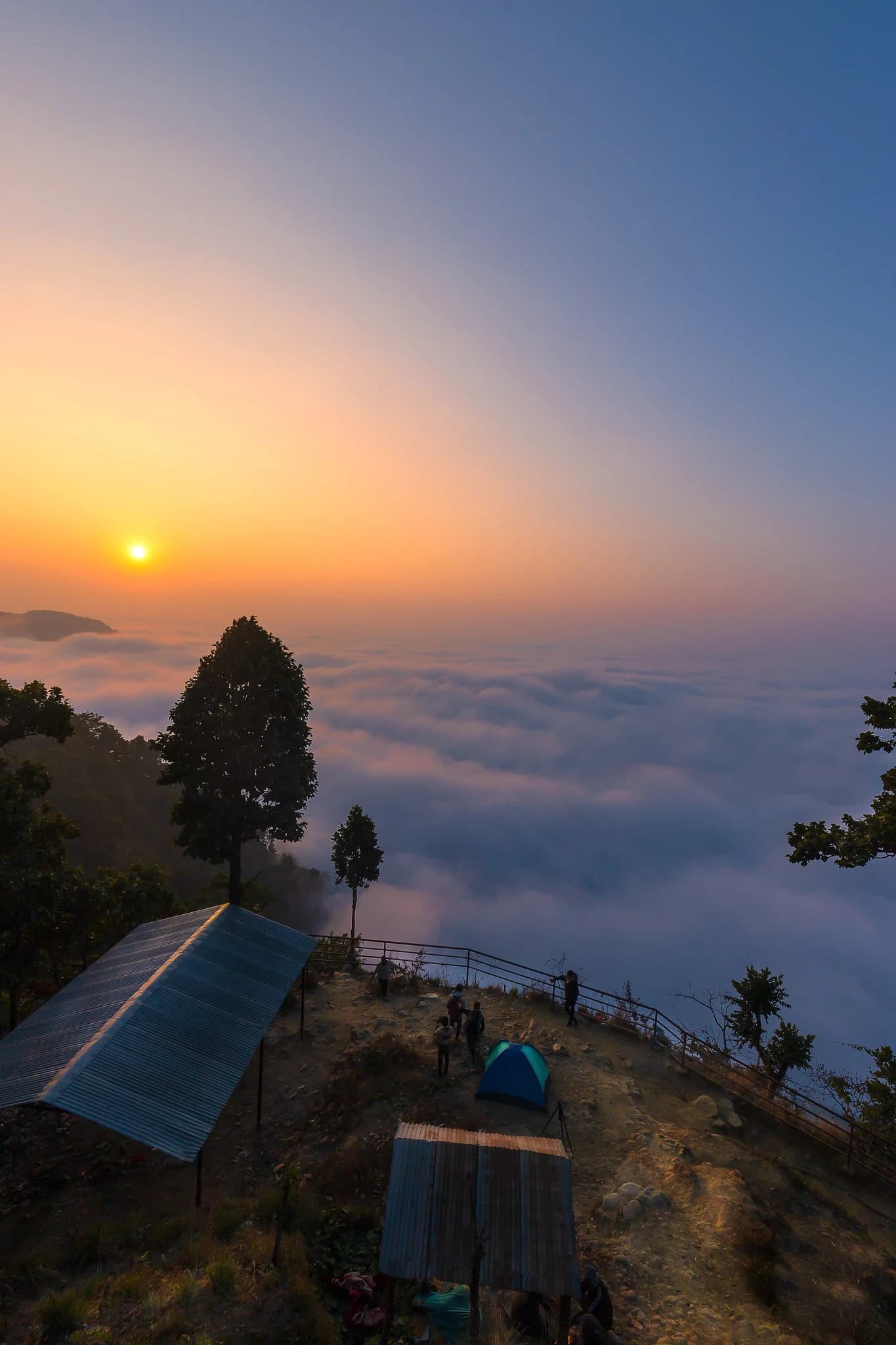
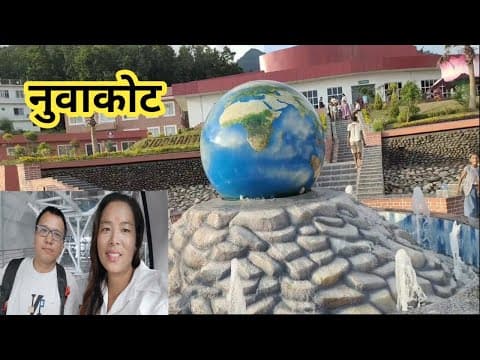
Nuwakot Gadi (नुवाकोट गढी, पाल्पा), perched high upon the crest of the Chure-Mahabharat ridge at an elevation of 960 meters in Tinau Rural Municipality of Palpa District, is a historic 16th-century hill fortress and burgeoning hilltop destination. Originally fortified by King Mani Mukunda Sen of the Sen Kingdom of Palpa, Nuwakot Gadi functioned as an impregnable strategic garrison guarding the ancient trade transit routes between the Gangetic plains and the central Himalayan valleys. It contains preserved stone ramparts, historic cannon placements, archaeological foundations of the royal summer retreat, and ancient temples dedicated to Nuwakot Bhairav and Kalika Devi. In recent years, Nuwakot Gadi has emerged as a premier modern tourist attraction following the inauguration of the Siddhartha/Lumbini Cable Car, which connects the Butwal base station to the cool breezy heights of the Nuwakot top station in Palpa within minutes. From the summit, visitors enjoy magnificent 360-degree vistas taking in the sprawling urban plains of Lumbini and Rupandehi to the south, the deep forested meandering bends of the Tinau gorge, and the glittering snowy peaks of the Dhaulagiri and Annapurna ranges to the north.
Nuwakot Gadi (नुवाकोट गढी, पाल्पा), perched high upon the crest of the Chure-Mahabharat ridge at an elevation of 960 meters in Tinau Rural Municipality of Palpa District, is a historic 16th-century hill fortress and burgeoning hilltop destination. Originally fortified by King Mani Mukunda Sen of the Sen Kingdom of Palpa, Nuwakot Gadi functioned as an impregnable strategic garrison guarding the ancient trade transit routes between the Gangetic plains and the central Himalayan valleys. It contains preserved stone ramparts, historic cannon placements, archaeological foundations of the royal summer retreat, and ancient temples dedicated to Nuwakot Bhairav and Kalika Devi. In recent years, Nuwakot Gadi has emerged as a premier modern tourist attraction following the inauguration of the Siddhartha/Lumbini Cable Car, which connects the Butwal base station to the cool breezy heights of the Nuwakot top station in Palpa within minutes. From the summit, visitors enjoy magnificent 360-degree vistas taking in the sprawling urban plains of Lumbini and Rupandehi to the south, the deep forested meandering bends of the Tinau gorge, and the glittering snowy peaks of the Dhaulagiri and Annapurna ranges to the north.
1 available
2 available
YouTube
Open YouTube

YouTube
Open YouTube
Discover More

Amar Narayan Temple (अमर नारायण मन्दिर), situated in Tansen Municipality Ward 3 of Palpa District, is a masterpiece of early 19th-century pagoda architecture and classical Nepali woodcarving. Commissioned in 1806 AD (1863 BS) by General Amar Singh Thapa, the legendary Gorkhali military commander and hero of the Anglo-Nepal War during his tenure as governor of Palpa, the temple was dedicated to Lord Vishnu. The structure is built in classical triple-roofed pagoda style, distinguished by intricate wooden roof struts embellished with erotic carvings and depictions of Hindu deities, rivaling the artistic brilliance of Kathmandu Valley artisans. The temple is encircled by a high stone perimeter wall known locally as the 'Great Wall of Tansen', preserving an inner courtyard paved with flagstones and blessed by natural cold-water perennial stone spouts (Dhunge Dhara). Devotees from throughout the hill districts visit Amar Narayan Temple during Haribodhini Ekadashi and Janmashtami, admiring its serene historic ambiance and classical architectural elegance.

Bhairabsthan Temple (भैरवस्थान मन्दिर), perched upon a scenic ridge in Ribdikot Rural Municipality Ward 4 roughly 9 kilometers west of Tansen in Palpa District, is one of the most revered Shakti and Shaiva pilgrimage shrines in western Nepal. According to historical chronicles, the temple's sacred Kal Bhairav idol was brought from Varanasi and consecrated in the 16th century by King Mani Mukunda Sen of the powerful Sen Kingdom of Palpa. The deity is regarded as the fierce guardian of the realm. A prominent hallmark of Bhairabsthan is the colossal ceremonial iron trident (Trishul) erected in the temple courtyard, widely documented as the largest iron trident in Asia. Due to the ferocious cosmic gaze of Lord Bhairav, the innermost sanctum idol is shielded below the sanctum floor and only the temple's designated Magar priests (Pujaris) are traditionally permitted to view it directly, reflecting deep syncretism between Khas-Arya ritual traditions and indigenous Magar spiritual guardianship. Tens of thousands of pilgrims flock here during Dashain, Chaitra Dashain, and Tuesdays, offering ceremonial rots (sacred sweet bread) and prayers for protection and prosperity while enjoying grand views of the surrounding hills.

Palpa Durbar (पाल्पा दरबार तथा सङ्ग्रहालय), also celebrated as Tansen Durbar, is an imposing multi-tiered historical palace fortress complex occupying the civic summit of Tansen Municipality Ward 4 in Palpa District. Built in 1927 AD (1984 BS) under the governorship of General Pratap Shamsher Jang Bahadur Rana, the palace served as the administrative nerve center of western Nepal. The original structure featured a monumental layout encompassing 64 rooms, two grand courtyards, ornamental stucco porticos, and fortified stone gates designed to withstand regional sieges. After suffering devastating damage during the Maoist armed conflict in 2006, the historical monument underwent a meticulous multi-year heritage restoration led by Nepal's Department of Archaeology and local master artisans, successfully reopening as the Palpa District Museum. Today, the restored palace complex houses comprehensive archaeological and cultural galleries displaying ancient weaponry, Magar and Newari ethnographical artifacts, historic Palpali Dhaka textiles, Bronze craftsmanship, and royal documents chronicling the era of the Sen Kingdom of Palpa. It represents the supreme historical and urban heritage symbol of Tansen.

Rambha Devi Temple (रम्भादेवी मन्दिर), nestled amid ancient tranquil forests at an elevation of 1,220 meters in Rambha Rural Municipality Ward 5 (Taahu) of eastern Palpa District, is one of the most sacred and culturally prominent pilgrimage sanctuaries in the Mahabharat hills. Revered for centuries by both the local indigenous Magar community and Khas-Arya settlers, the goddess Rambha Devi is worshipped as a benevolent mother deity who bestows fertility, agricultural abundance, and protection across the eastern valleys of Palpa. The temple complex is set within a protected sacred forest grove filled with tall chilaune and katus trees, offering a peaceful natural setting that overlooks the surrounding hill terraced landscapes. The temple sees huge gatherings of pilgrims during the Krishna Janmashtami festival, Dashain, and the full moon of Baisakh (Baisakh Purnima), when traditional fairs (melas) are held featuring folk music, sacred rituals, and cultural celebrations. Rambha Devi Temple is the spiritual centerpiece of eastern Palpa, giving its name to the entire rural municipality.

Rana Ujireshori Bhagwati Temple (रण उजिरेश्वरी भगवती मन्दिर), prominently located in the heart of Tansen Municipality Ward 4 in Palpa District, is a historic war memorial and sacred victory temple of immense national heritage significance. In 1814 AD, during the height of the Anglo-Nepal War, Colonel Ujir Singh Thapa (nephew of Prime Minister Bhimsen Thapa) took command of Gorkhali forces stationed in Palpa to defend the strategic Jitgadhi fortress in Butwal against the British East India Company. Facing overwhelming enemy numbers, Colonel Thapa prayed before Goddess Bhagwati and made a solemn vow that if granted victory, he would construct a grand temple and celebrate an annual victory procession in her honor. Against all odds, Nepali troops triumphed at the Battle of Jitgadhi in 1815, and Thapa fulfilled his vow by rebuilding the magnificent three-story Bhagwati Temple in Tansen. Ever since, the temple has been the focal point of the historic Bhagwati Jatra (Tansen Bhagwati Victory Festival), celebrated annually on Krishna Navami in Bhadra with state military gun salutes and a grand chariot procession through Tansen's steep cobbled streets. It stands as an enduring emblem of patriotic courage, devotion, and Palpali cultural identity.

Rani Mahal (रानी महल), frequently hailed as the 'Taj Mahal of Nepal', is a magnificent late 19th-century neo-classical palace dramatically perched on a massive granite cliff towering above the turquoise waters of the Kali Gandaki River canyon in Bagnaskali Rural Municipality Ward 1 of Palpa District. Commissioned in 1893 AD (1950 BS) by General Khadga Shamsher Jang Bahadur Rana in enduring tribute to his beloved late consort Tej Kumari Devi, the palace took five years of painstaking masonry to complete. Master British and Indian architects assisted in carving colossal stone foundations straight out of the gorge bed, creating a four-story neoclassical edifice complete with expansive symmetrical balconies, Doric columns, secluded royal courtyards, subterranean baths, pleasure gardens, and royal temples honoring Shiva. Surrounded by untamed river rapids and dense forested hillsides, Rani Mahal offers an awe-inspiring juxtaposition of imperial Victorian-inspired architecture against raw Himalayan topography. Travelers reach the palace via a scenic 13-kilometer mountain road or a legendary heritage trek winding down through pine forests and suspension footbridges from Tansen. It stands as Nepal's most romantic and architecturally singular historical palace monument.