YouTube
Open YouTube
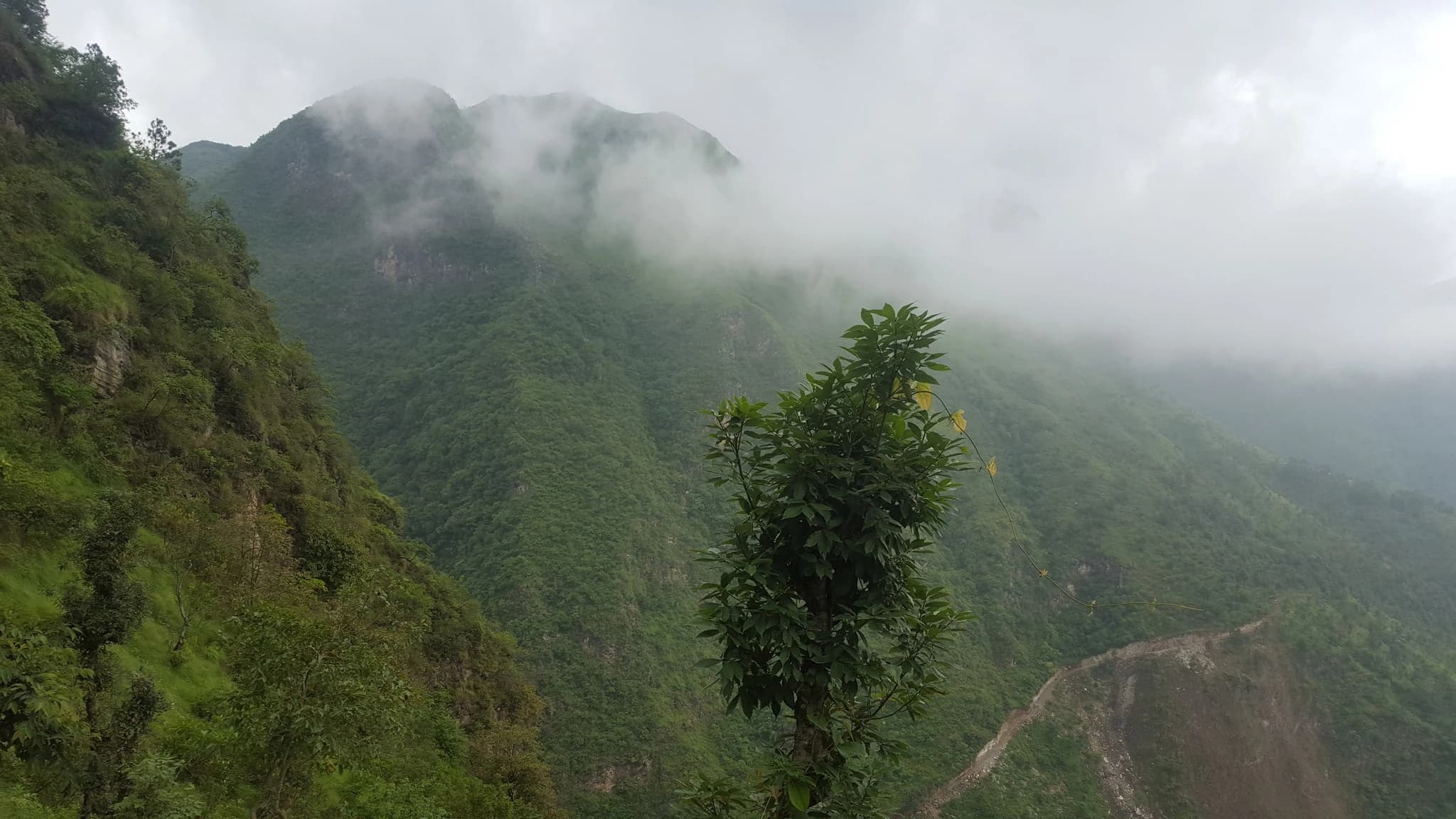
Narapani (नरपानी डाँडा र चुनढुङ्गा पहाड), crowning the high mountain ridge pass at an elevation of 1,660 meters in Sandhikharka Municipality Ward 6, is Arghakhanchi's premier hill station retreat and natural geological viewpoint. Positioned along the scenic highway above the Supa Deurali canyon, Narapani is celebrated for its dramatic landscape of towering karst limestone cliffs (*Chuna-dhunga*), alpine evergreen pine forests, and invigorating cool climate that offers refreshing relief from the sweltering Terai heat. The pass commands an extraordinary dual panorama: looking south on clear days, visitors can view the vast, hazy green flatlands of Kapilvastu and Rupandehi stretching to the horizon, while looking north reveals an awe-inspiring rampart of Himalayan giants including Dhaulagiri and the Annapurna massif. Narapani has developed into a popular weekend getaway and nature stopover, featuring scenic picnic spots, nature walking trails winding through limestone formations, manicured roadside viewpoint plazas, and locally farmed mountain produce. It is an indispensable stop for photographers, travelers, and nature lovers exploring Arghakhanchi.
Narapani (नरपानी डाँडा र चुनढुङ्गा पहाड), crowning the high mountain ridge pass at an elevation of 1,660 meters in Sandhikharka Municipality Ward 6, is Arghakhanchi's premier hill station retreat and natural geological viewpoint. Positioned along the scenic highway above the Supa Deurali canyon, Narapani is celebrated for its dramatic landscape of towering karst limestone cliffs (*Chuna-dhunga*), alpine evergreen pine forests, and invigorating cool climate that offers refreshing relief from the sweltering Terai heat. The pass commands an extraordinary dual panorama: looking south on clear days, visitors can view the vast, hazy green flatlands of Kapilvastu and Rupandehi stretching to the horizon, while looking north reveals an awe-inspiring rampart of Himalayan giants including Dhaulagiri and the Annapurna massif. Narapani has developed into a popular weekend getaway and nature stopover, featuring scenic picnic spots, nature walking trails winding through limestone formations, manicured roadside viewpoint plazas, and locally farmed mountain produce. It is an indispensable stop for photographers, travelers, and nature lovers exploring Arghakhanchi.
1 available
2 available
YouTube
Open YouTube
YouTube
Open YouTube
Discover More

Argha Bhagwati Temple and Durbar (अर्घा भगवती मन्दिर तथा ऐतिहासिक अर्घा दरबार), majestically crowning the prominent Arghakot hilltop ridge at an elevation of 1,720 meters in Sandhikharka Municipality Ward 9, is the historic royal citadel and military fortress of the ancient Argha Kingdom—one of the influential Chaubisi principalities from which Arghakhanchi District derives half of its name. Established during the medieval period prior to Nepal's territorial unification, Argha Durbar functioned as an impregnable hill garrison commanding panoramic surveillance over the surrounding valleys. The site contains historic stone fortifications, the royal armory (Kot Ghar) preserving antique weapons, curved Khukuris, battle axes, and ceremonial bronze cannons from the 16th to 18th centuries, and the revered temple dedicated to Goddess Argha Bhagwati. The temple is renowned across western Nepal for its vibrant, centuries-old Dashain celebrations, particularly during Maha Navami and Vijaya Dashami, when traditional sword dances (Khadga Jatra), sacred animal sacrifices, and state military drum processions are conducted in accordance with ancient royal decrees. From the fort ramparts, visitors enjoy commanding vistas stretching across the verdant Sandhikharka river valley to the south and the snowy peaks of Dhaulagiri and Annapurna to the north.

Chhatradev Temple (छत्रदेव मन्दिर / छत्रमहाराज), situated atop an expansive, scenic mountain ridge at an elevation of 1,510 meters in Chhatraganj (Chhatradev Rural Municipality Ward 1) of northeastern Arghakhanchi, is a sacred pilgrimage shrine of deep regional reverence. Dedicated to Lord Chhatreshwor (popularly venerated as Chhatramaharaj), the temple is the spiritual centerpiece and cultural namesake of the entire Chhatradev Rural Municipality. According to ancient local lore, Chhatramaharaj is a benevolent guardian deity who protects the surrounding farming villages from droughts, natural calamities, and epidemics, ensuring fertile harvests across the Ridi and Madi river catchment areas. The temple sanctuary features traditional pagoda stone architecture, sacred bells, and open courtyards perched on a ridge that commands sweeping views of rolling Mahabharat hill terraces and neighboring ridges in Gulmi and Palpa. Large traditional fairs (melas) and religious gatherings take place here during Shivaratri, Balachaturdashi, and Haribodhini Ekadashi, attracting devotees from across western Nepal.

Panini Tapobhumi (पाणिनी तपोभूमि, पणेना-खिदीम), situated atop the tranquil forested hills of Panini Rural Municipality Wards 1 and 2 at an elevation of approximately 1,550 meters in eastern Arghakhanchi, is a sacred hermitage of monumental global intellectual, spiritual, and linguistic heritage. According to classical Sanskrit traditions and historical lore, this idyllic mountain sanctuary was the meditation retreat (Tapobhumi) of the legendary ancient grammarian Maharshi Panini (circa 5th–6th century BCE). Deeply engrossed in rigorous penance dedicated to Lord Shiva, Panini was blessed by a cosmic divine vision wherein Lord Shiva performed the celestial Tandava dance and sounded his Damaru (drum) 14 times. From these 14 cosmic beats, Panini distilled the 'Maheshwara Sutras' (14 aphorisms of Sanskrit phonology), which formed the foundational bedrock of his masterpiece, the *Ashtadhyayi*—universally acknowledged as the world's earliest systematic, descriptive, and generative grammar of human language. The hermitage complex features the ancient Panini meditation cave, the Paninishwor Mahadev temple, a tranquil sacred garden, and scholarly memorial monuments. Perched on a scenic ridge overlooking terraced slopes, dense pine forests, and distant Himalayan horizons, Panini Tapobhumi draws linguists, Sanskrit scholars, and spiritual seekers from around the world.

Supa Deurali Temple (सुपा देउराली मन्दिर) is the supreme spiritual emblem and most celebrated pilgrimage destination of Arghakhanchi District, perched dramatically within a narrow, sheer limestone canyon where the Supa River cuts through the Mahabharat mountain range along the Gorusinge-Sandhikharka Highway in Sandhikharka Municipality Ward 7. According to profound local mythology, the shrine is dedicated to Goddess Supa Deurali, an incarnation of divine Shakti revered for granting wishes to righteous devotees while sternly holding oath-breakers accountable. The sheer rocky cliff opposite the temple features the famous petrified rock formation known as 'Lahure ko Pailo' (The Soldier's Imprint). Local legend recounts that an Indian Army recruit (Lahure) vowed to offer a sacrificial tribute to the Goddess upon safely securing military employment; after succeeding, he attempted to bypass the shrine without fulfilling his vow and was miraculously immobilized against the cliff wall by divine decree. Another poignant legend tells of a 22nd Chaubisi royal marriage procession that met a tragic supernatural fate at this sacred gorge. Today, Supa Deurali Temple attracts hundreds of thousands of pilgrims annually from throughout Lumbini Province, Gandaki Province, and northern India. Pilgrims offer bells, tridents, and prayers for safe journeys and personal prosperity before traversing the treacherous hill passes, admiring the roaring mountain stream, hanging suspension bridges, and soaring vertical limestone walls that encase the sacred precinct.