YouTube
Open YouTube
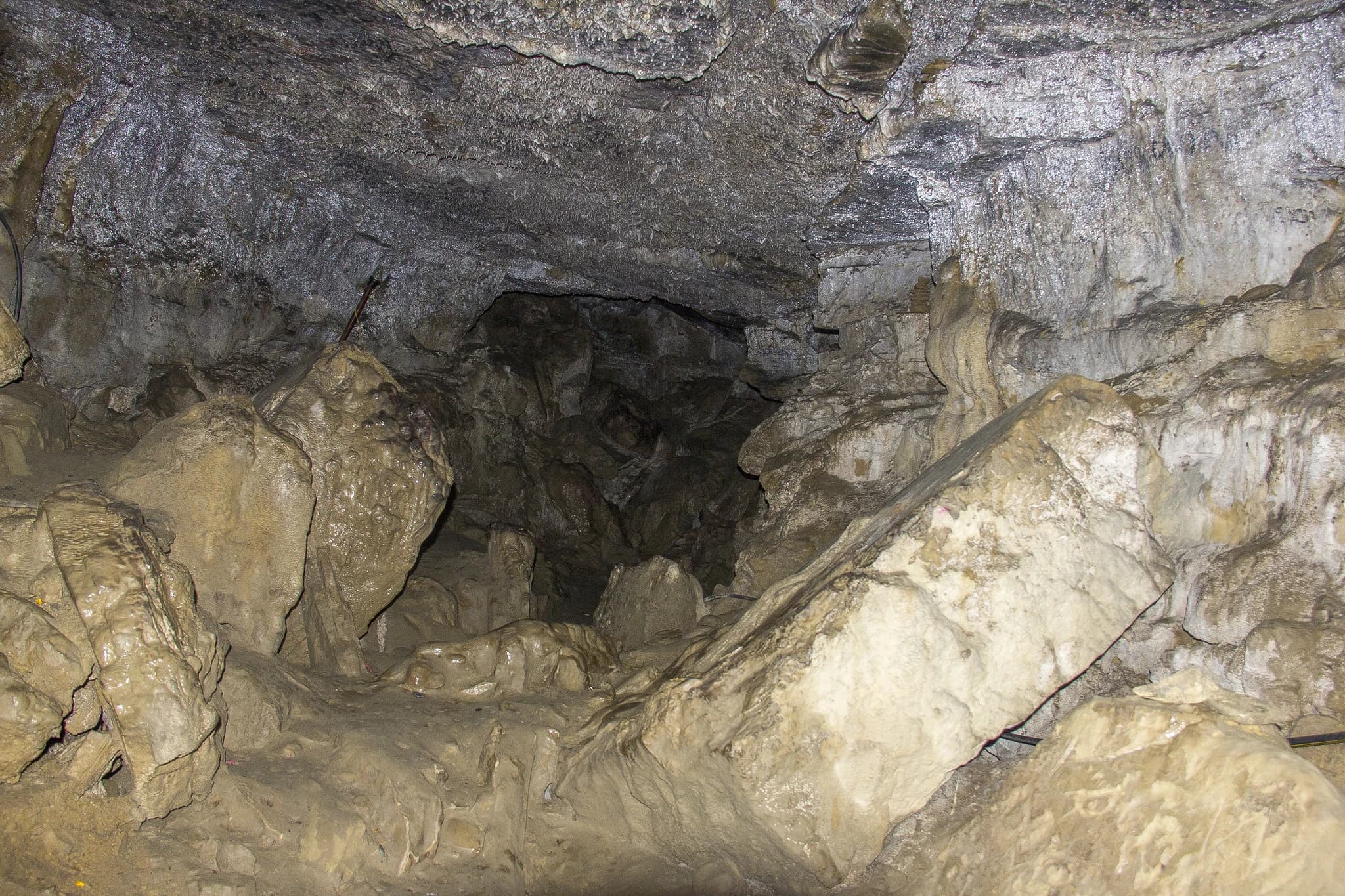
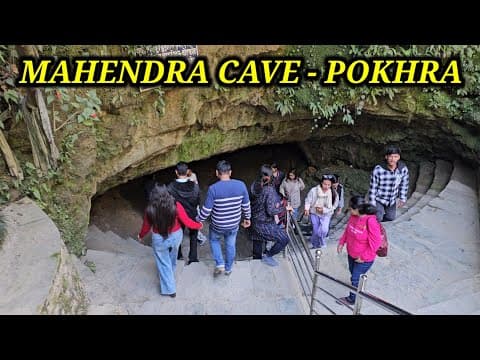
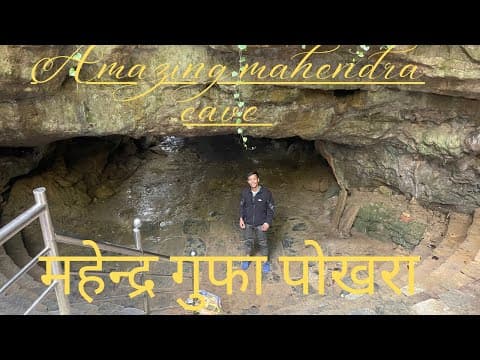
Mahendra Cave is a famous limestone show cave located in Batulechaur in the northern outskirts of Pokhara. Named in honor of King Mahendra Bir Bikram Shah who visited the site in the late 1950s, the cave represents one of the earliest karst geological attractions promoted for domestic and international tourism in Nepal. The cavern runs approximately 200 metres through dark limestone strata and is outfitted with electric lighting and safety handrails along the central walkway. The interior is noted for its spectacular stalactites and stalagmites hanging from the ceilings and rising from the cavern floor, formed by calcium carbonate-laden water dripping continuously over millennia. Local residents revere several natural rock formations as representations of Lord Shiva and Ganesh. Surrounded by green wooded grounds with local souvenir and craft stalls, Mahendra Cave is an essential educational and recreational stop frequently paired with the nearby Bat Cave (Chamero Gufa).
Mahendra Cave is a famous limestone show cave located in Batulechaur in the northern outskirts of Pokhara. Named in honor of King Mahendra Bir Bikram Shah who visited the site in the late 1950s, the cave represents one of the earliest karst geological attractions promoted for domestic and international tourism in Nepal. The cavern runs approximately 200 metres through dark limestone strata and is outfitted with electric lighting and safety handrails along the central walkway. The interior is noted for its spectacular stalactites and stalagmites hanging from the ceilings and rising from the cavern floor, formed by calcium carbonate-laden water dripping continuously over millennia. Local residents revere several natural rock formations as representations of Lord Shiva and Ganesh. Surrounded by green wooded grounds with local souvenir and craft stalls, Mahendra Cave is an essential educational and recreational stop frequently paired with the nearby Bat Cave (Chamero Gufa).
1 available
2 available
YouTube
Open YouTube
YouTube
Open YouTube
Discover More

Annapurna Base Camp (ABC), situated within the dramatic Annapurna Sanctuary at 4,130 metres above sea level, is one of the most celebrated trekking destinations in the world. The sanctuary is a high glacial cirque ringed by some of the world's highest peaks: Annapurna I (8,091 m -- the 10th highest in the world), Annapurna South (7,219 m), Machhapuchhre (6,993 m), Hiunchuli (6,441 m), and Gangapurna (7,454 m). The standard trek to ABC starts from Nayapul near Pokhara and passes through the rhododendron forests of the Annapurna Conservation Area, the Gurung village of Ghandruk, the deep Modi Khola valley, and the dramatic bamboo corridor that leads into the sanctuary. The total round-trip trek typically takes 7 to 12 days depending on the route chosen. At base camp, trekkers are completely encircled by Himalayan giants. Sunrise at ABC, when the first golden light strikes the icy walls of Annapurna I directly above, is considered one of the greatest spectacles available on foot in Nepal. Required permits include the Annapurna Conservation Area Project (ACAP) entry permit and the TIMS card. Tea houses provide food and accommodation along the entire route. Altitude acclimatisation is important above 3,000 m. The route is dangerous during monsoon (June-August) when landslides are frequent. October-November and March-May are optimal seasons.

Australian Camp, historically known as Thula Kharka (Great Pasture), is a renowned scenic ridge viewpoint and serene trekking settlement situated at an elevation of 2,060 metres in Kaski. Located along the ridge above Kande village and Dhampus, the site gained its popular name in the 1990s when Austrian (and later Australian) expeditioners utilized the expansive meadow as a peaceful base. The camp offers an unobstructed 360-degree panorama of the central Himalayas, providing close-up perspectives of Annapurna South, Hiunchuli, Machhapuchhre, and Lamjung Himal rising dramatically above the Modi Khola valley. The sunrise and sunset from the camp's grassy ridge crest are legendary, illuminating snow giants against alpine skies. Accessible via an easy 1.5 to 2-hour uphill hike through rhododendron and oak forests from Kande highway, Australian Camp serves as an ideal introductory day-hike, family trek, or launching point for the Mardi Himal and Dhampus circuit trails. Well-appointed lodges and camping grounds provide comfortable mountain hospitality.

Bat Cave, locally known as Chamero Gufa, is a natural limestone cave situated in Batulechaur, roughly a ten-minute walk from Mahendra Cave. Famous for harboring a dense roosting colony of thousands of horseshoe bats (Rhinolophidae), this dark cavern offers a thrilling, raw caving adventure distinct from the paved show caves of Pokhara. Visitors navigate the unpaved limestone floor using headlamps or torches. The cave ceiling is covered with clusters of resting bats that become particularly active around dusk as they emerge into the surrounding forest to feed. Ancient limestone seepages have carved out natural alcoves and glistening mineral deposits throughout the central gallery. The cave's signature highlight is its legendary exit: a narrow, vertical chimney chute in the bedrock. Visitors can crawl upward through this tight natural opening to emerge back onto the sunny forest hillside above—a popular rite of passage that local folklore claims tests one's purity of conscience.

Begnas Lake is Nepal's third largest freshwater lake and Pokhara's second most prominent aquatic jewel, situated in Lekhnath in the eastern corner of Pokhara Valley. Covering approximately 3.28 square kilometres, Begnas is celebrated among travelers for its quiet, uncommercialized charm, calm emerald waters, and pristine forested surroundings that contrast with the bustling energy of Phewa Lakeside. The lake is embraced by terraced hills and dense subtropical woodlands reflecting Mount Annapurna and Machhapuchhre on clear mornings. Colorful traditional wooden rowboats are available along the western shoreline for leisurely boating, quiet shoreline fishing, and excursions across to peaceful bays and hillside resorts. Begnas also supports community-managed fish farming (caged aquaculture) and serves as an important freshwater wetland ecosystem sustaining diverse resident and migratory birdlife. Lakeside dining features freshly caught freshwater fish prepared with local spices, making Begnas an idyllic retreat for relaxation and nature immersion.

Bindhyabasini Temple is the oldest, most revered, and spiritually significant Hindu temple in Pokhara, situated atop a prominent hillock in Miruwa, north of the Old Bazaar. Dedicated to Goddess Durga in her fierce incarnation as Bhagwati (Bindhyabasini), the temple was founded in the 1760s by King Siddhi Narayan Shah of Kaski after the sacred deity statue was brought from Bindhyachal in northern India. The pagoda-style whitewashed sanctum crowns a wide stone-paved courtyard shaded by ancient pipal trees, offering commanding 360-degree vistas of Pokhara city and the Annapurna mountains. Devotees flock here daily to offer animal sacrifices, coconuts, flowers, and prayers, particularly during the festive autumn season of Dashain when thousands queue along the grand stone staircases. The temple complex also houses auxiliary shrines dedicated to Lord Shiva, Saraswati, and Hanuman, as well as an elevator lift providing barrier-free access for elderly and disabled pilgrims.

Davis Falls, locally known as Patale Chhango (The Nether Waterfall), is an extraordinary geological wonder located in Chhorepatan, southwest of Pokhara. Fed by the outflow of Phewa Lake through the Pardi Khola river, the waterfall crashes with roaring force into an immense subterranean cavern and completely disappears underground into an intricate limestone canyon. The underground torrent travels through subterranean tunnels for approximately 500 metres before re-emerging through the cave passages of Gupteshwor Mahadev across the road. The site gets its western moniker from an unfortunate 1961 incident involving a Swiss traveler named Davy, after which safety railings and tourist infrastructure were established around the viewing perimeter. The waterfall is at its most spectacular during and immediately following the summer monsoon (July to October), when swollen, sediment-rich waters plunge with thunderous reverberation into the depths. Well-maintained landscaped gardens, wishing ponds, and traditional cultural display zones surround the natural gorge.