YouTube
Youtube Shorts
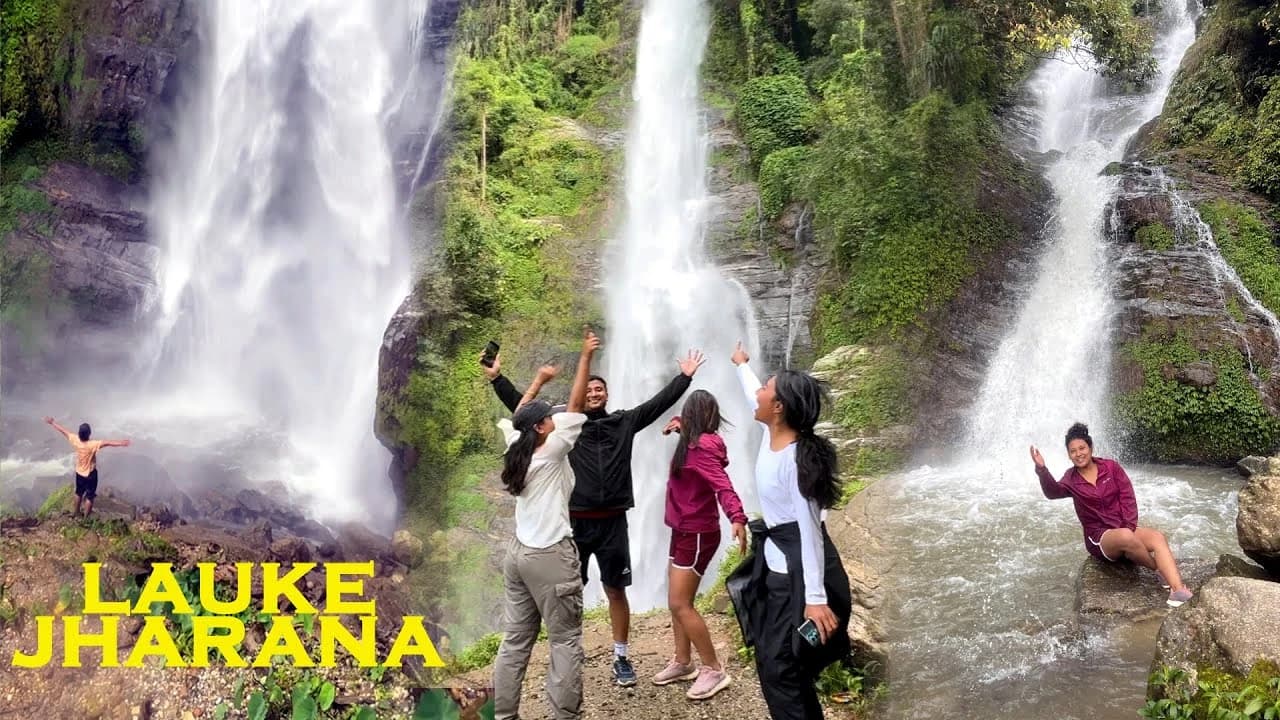
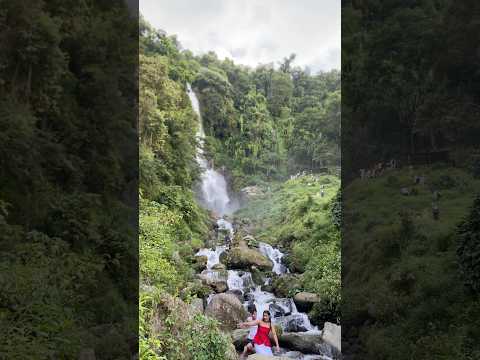
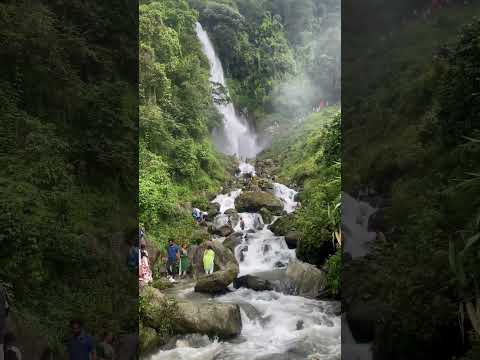
Known as Lauke Waterfall, and also called Lauke Jharana or Lauke Falls, this beautiful natural attraction in Nuwakot district is a hidden gem surrounded by lush forests, terraced hills, and the peaceful landscapes of central Nepal. Cascading gracefully over rugged rock formations into a clear natural pool, the waterfall offers a refreshing escape for visitors seeking tranquility away from crowded tourist destinations. The journey to the falls passes through scenic rural villages, fertile farmlands, and forest trails, providing opportunities to experience the authentic lifestyle and warm hospitality of the local communities. During the monsoon season, Lauke Waterfall becomes especially spectacular as the increased water flow transforms it into a powerful cascade, while spring and autumn offer pleasant weather, vibrant greenery, and ideal conditions for hiking and photography. The serene surroundings make it a perfect destination for picnics, short nature walks, birdwatching, and simply relaxing to the soothing sound of flowing water. Although less commercialized than many of Nepal's famous waterfalls, its untouched beauty and peaceful atmosphere make it a rewarding stop for nature lovers and off-the-beaten-path explorers. Whether you're looking for a scenic day trip, beautiful landscapes, or a quiet retreat in nature, Lauke Waterfall (Lauke Jharana/Lauke Falls) offers an unforgettable experience in the heart of Nuwakot.
Known as Lauke Waterfall, and also called Lauke Jharana or Lauke Falls, this beautiful natural attraction in Nuwakot district is a hidden gem surrounded by lush forests, terraced hills, and the peaceful landscapes of central Nepal. Cascading gracefully over rugged rock formations into a clear natural pool, the waterfall offers a refreshing escape for visitors seeking tranquility away from crowded tourist destinations. The journey to the falls passes through scenic rural villages, fertile farmlands, and forest trails, providing opportunities to experience the authentic lifestyle and warm hospitality of the local communities. During the monsoon season, Lauke Waterfall becomes especially spectacular as the increased water flow transforms it into a powerful cascade, while spring and autumn offer pleasant weather, vibrant greenery, and ideal conditions for hiking and photography. The serene surroundings make it a perfect destination for picnics, short nature walks, birdwatching, and simply relaxing to the soothing sound of flowing water. Although less commercialized than many of Nepal's famous waterfalls, its untouched beauty and peaceful atmosphere make it a rewarding stop for nature lovers and off-the-beaten-path explorers. Whether you're looking for a scenic day trip, beautiful landscapes, or a quiet retreat in nature, Lauke Waterfall (Lauke Jharana/Lauke Falls) offers an unforgettable experience in the heart of Nuwakot.
2 available
3 available
YouTube
Youtube Shorts
YouTube
Youtube Shorts
YouTube
Youtube Shorts
Discover More

Known as Bhairabi Temple, and also called Bhairavi Temple or Bhairabi Bhagwati Temple, this revered hilltop shrine in Nuwakot district is one of the region's most important Hindu pilgrimage sites, dedicated to Goddess Bhairabi, a fierce manifestation of Goddess Durga. Situated beside the historic Nuwakot Durbar complex, the temple has been a center of worship since the Malla and Shah periods, playing a significant role in the religious and cultural history of the district. Built in the traditional Nepalese pagoda style, the temple features beautifully carved wooden struts, intricately crafted metal decorations, and classic brick architecture that reflects the rich artistry of the Newar craftsmen. Devotees visit the shrine throughout the year to seek blessings for protection, courage, prosperity, and well-being, with especially large gatherings during Dashain, when elaborate rituals and traditional ceremonies are held. From the temple grounds, visitors can enjoy breathtaking views of the Trishuli Valley, surrounding green hills, and the historic palace complex, making it a rewarding destination for both pilgrims and photographers. The peaceful atmosphere, combined with the nearby royal heritage monuments, offers a unique opportunity to experience both Nepal's spiritual traditions and its unification history. Whether you're interested in sacred temples, historical architecture, or panoramic landscapes, Bhairabi Temple (Bhairavi Temple/Bhairabi Bhagwati Temple) is an essential cultural landmark in Nuwakot.

Known as Devighat, and also called Devi Ghat, this sacred riverside destination in Nuwakot district is one of Nepal's most important historical and spiritual landmarks. Situated at the confluence of the Trishuli and Tadi rivers, Devighat is closely associated with King Prithvi Narayan Shah, the founder of modern Nepal, whose cremation was performed here following his death in 1775. The site features temples, memorials, and sacred ghats that honor both Nepal's unification history and centuries-old Hindu traditions, making it a place of deep national and religious significance. Pilgrims visit throughout the year to perform religious rituals, offer prayers, and pay homage to their ancestors, while major festivals such as Makar Sankranti, Shivaratri, and Bala Chaturdashi attract large gatherings of devotees. Surrounded by lush green hills and the tranquil flow of the rivers, Devighat provides a peaceful setting for spiritual reflection, photography, and cultural exploration. Visitors often combine a trip to Devighat with nearby attractions such as Nuwakot Durbar and Bhairabi Temple, creating a rewarding journey through the district's rich heritage. Whether you're interested in Nepal's royal history, sacred pilgrimage sites, or serene riverside landscapes, Devighat (Devi Ghat) offers a meaningful and memorable experience.

Known as Dupcheshwar Mahadev Temple, and also called Dupcheshwor Mahadev or Dupcheshwar Dham, this sacred Hindu pilgrimage site in Nuwakot district is one of Nepal's most revered temples dedicated to Lord Shiva. Nestled amidst dense forests and picturesque hills in the Dupcheshwar Rural Municipality, the temple is uniquely situated inside a natural cave, where a sacred Shiva Linga is believed to have appeared naturally, making it a place of immense religious significance. According to local legends, the shrine has been worshipped for centuries, attracting devotees who come to seek blessings for health, prosperity, and spiritual well-being. The journey to the temple takes visitors through scenic mountain trails, lush woodlands, and traditional villages, offering a peaceful blend of natural beauty and cultural heritage. During Mahashivaratri, Teej, and Bala Chaturdashi, thousands of pilgrims gather here to perform rituals, offer prayers, and celebrate vibrant religious festivals. The tranquil surroundings, fresh mountain air, and sacred atmosphere make the temple an ideal destination for both spiritual seekers and nature lovers. Whether you're embarking on a pilgrimage, exploring hidden Himalayan temples, or enjoying a scenic hike, Dupcheshwar Mahadev Temple (Dupcheshwor Mahadev/Dupcheshwar Dham) offers a memorable experience of faith, history, and natural serenity.

Known as Kakani Hill Station, and also simply called Kakani, this scenic mountain destination in Nuwakot district is one of the most popular hill stations near Kathmandu, renowned for its breathtaking Himalayan views, cool climate, and peaceful natural surroundings. Situated at an elevation of approximately 2,030 meters, Kakani offers spectacular panoramas of the Ganesh Himal, Langtang, Manaslu, Dorje Lakpa, and several other snow-capped peaks on clear days. Surrounded by dense pine forests, rhododendron-covered hills, and terraced farmlands, the area is a favorite destination for hiking, mountain biking, picnics, camping, and nature walks. Kakani is also well known for its fresh strawberries, trout farming, and local organic produce, giving visitors an opportunity to enjoy authentic rural flavors alongside its scenic beauty. The hill station is especially famous for its mesmerizing sunrise and sunset, when the Himalayan skyline glows in brilliant shades of gold and orange, making it a paradise for photographers. Spring and autumn are the ideal seasons to visit, offering blooming forests, pleasant weather, and crystal-clear mountain vistas. Whether you're seeking a relaxing weekend escape, an outdoor adventure, or unforgettable Himalayan scenery, Kakani Hill Station (Kakani) offers one of the most refreshing and picturesque experiences in central Nepal.

Known as Nuwakot Durbar, and also called Nuwakot Palace or Saat Tale Durbar (Seven-Storey Palace), this magnificent hilltop fortress in Nuwakot district is one of Nepal's most significant historical landmarks. Built during the 18th century by King Prithvi Narayan Shah after his victory over Nuwakot, the palace served as an important military stronghold and administrative center during Nepal's unification campaign. The seven-storey palace is a remarkable example of traditional Nepalese architecture, featuring intricately carved wooden windows, brick masonry, and fortified structures that reflect the engineering brilliance of the Shah era. Located on a ridge overlooking the Trishuli Valley, the complex offers breathtaking panoramic views of rolling hills, terraced farmlands, rivers, and distant Himalayan peaks. Visitors can also explore nearby historic monuments, including the Bhairabi Temple, ancient courtyards, royal residences, and defensive structures that together showcase Nuwakot's rich cultural heritage. The site becomes especially vibrant during major festivals and local celebrations, when devotees and visitors gather to experience traditional rituals and community festivities. Whether you're fascinated by Nepal's unification history, medieval architecture, or scenic hilltop landscapes, Nuwakot Durbar (Nuwakot Palace/Saat Tale Durbar) offers an unforgettable journey into the nation's royal and cultural past.

Known as Suryachaur Viewpoint, and also simply called Suryachaur, this scenic hilltop destination in Nuwakot district is one of the most beautiful viewpoints near Kathmandu, offering breathtaking panoramas of the Himalayas and the surrounding green valleys. Situated at an elevation of around 2,000 meters, the viewpoint is famous for its sweeping views of the Langtang, Ganesh Himal, Manaslu, and Dorje Lakpa mountain ranges on clear days. Surrounded by pine forests, rolling meadows, and peaceful countryside, Suryachaur has become a favorite destination for hiking, mountain biking, camping, and day trips among nature enthusiasts. The viewpoint is especially renowned for its spectacular sunrise and sunset, when the Himalayan peaks are illuminated in brilliant shades of gold, creating unforgettable scenery for photographers. The area also features open grasslands that are ideal for picnics, outdoor recreation, and simply relaxing while enjoying the cool mountain breeze. Spring and autumn are the best seasons to visit, offering blooming rhododendrons, pleasant temperatures, and crystal-clear mountain views. Whether you're seeking a peaceful escape into nature, an adventurous hike, or stunning Himalayan landscapes, Suryachaur Viewpoint (Suryachaur) offers one of the most rewarding viewpoints in central Nepal.