YouTube
Youtube Shorts
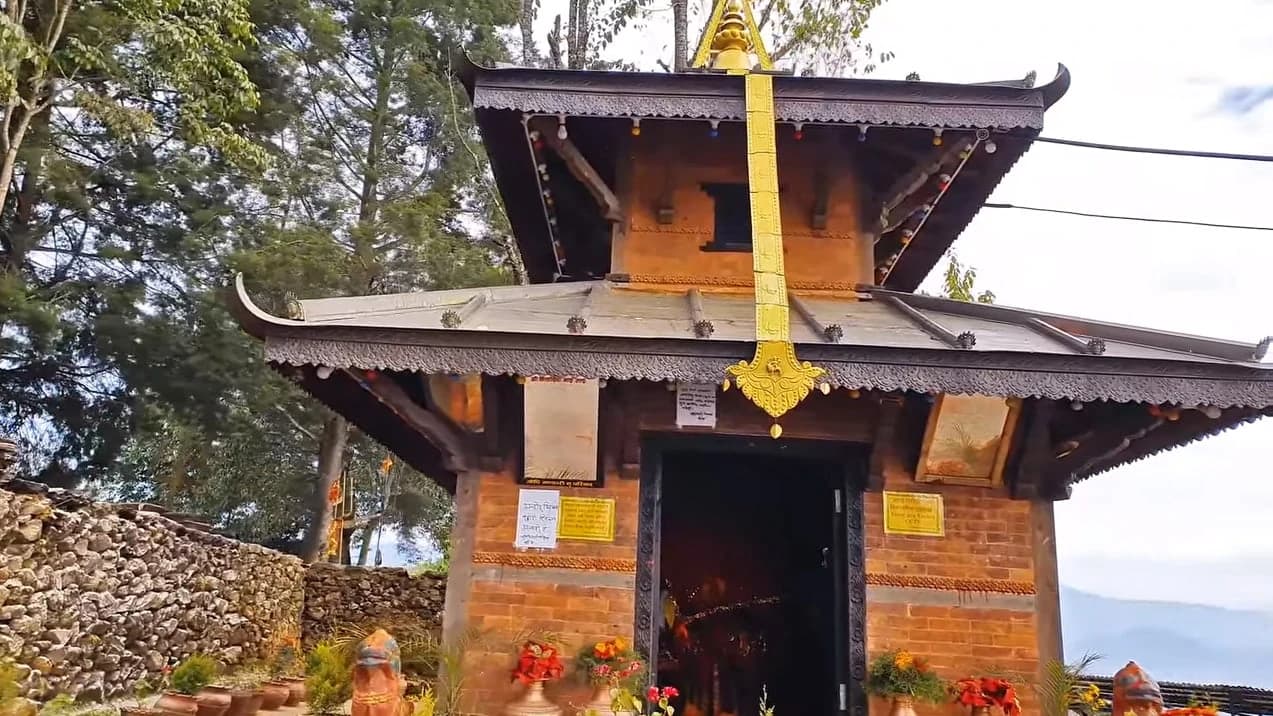
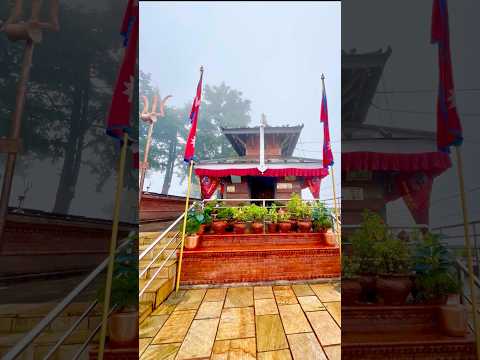
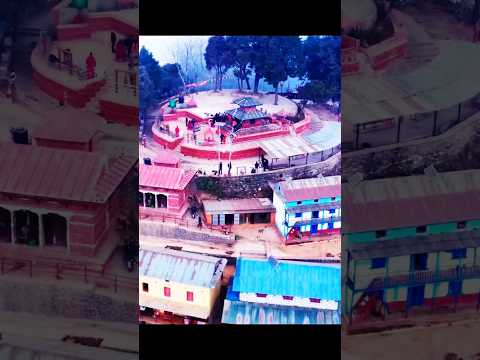
Known as Khandadevi Temple, and also called Khandadevi Mandir or Khandadevi Bhagwati Temple, this revered hilltop Hindu shrine in Ramechhap district is dedicated to Goddess Khandadevi, a powerful manifestation of Goddess Durga. Situated in Khandadevi Rural Municipality, the temple holds significant religious and historical importance and attracts devotees from Ramechhap and neighboring districts throughout the year. According to local tradition, the shrine has strong historical connections with the period of Nepal's unification, adding an interesting heritage dimension to its spiritual importance. Perched high above the surrounding valleys, the temple offers beautiful panoramic views of the Sun Koshi River, rolling hills, terraced countryside, and distant Himalayan landscapes. Devotees visit to offer prayers and seek blessings for protection, prosperity, courage, and fulfillment of wishes, with particularly large gatherings during Dashain and other Hindu festivals. The journey to Khandadevi passes through scenic rural settlements and hill landscapes, allowing travelers to experience the traditional lifestyle and culture of Ramechhap. Its combination of sacred traditions, hilltop scenery, and peaceful surroundings also makes the temple rewarding for photographers and cultural travelers. Whether you're undertaking a pilgrimage or exploring Ramechhap's lesser-known heritage, Khandadevi Temple (Khandadevi Mandir/Khandadevi Bhagwati Temple) offers a memorable blend of spirituality, history, and natural beauty.
Known as Khandadevi Temple, and also called Khandadevi Mandir or Khandadevi Bhagwati Temple, this revered hilltop Hindu shrine in Ramechhap district is dedicated to Goddess Khandadevi, a powerful manifestation of Goddess Durga. Situated in Khandadevi Rural Municipality, the temple holds significant religious and historical importance and attracts devotees from Ramechhap and neighboring districts throughout the year. According to local tradition, the shrine has strong historical connections with the period of Nepal's unification, adding an interesting heritage dimension to its spiritual importance. Perched high above the surrounding valleys, the temple offers beautiful panoramic views of the Sun Koshi River, rolling hills, terraced countryside, and distant Himalayan landscapes. Devotees visit to offer prayers and seek blessings for protection, prosperity, courage, and fulfillment of wishes, with particularly large gatherings during Dashain and other Hindu festivals. The journey to Khandadevi passes through scenic rural settlements and hill landscapes, allowing travelers to experience the traditional lifestyle and culture of Ramechhap. Its combination of sacred traditions, hilltop scenery, and peaceful surroundings also makes the temple rewarding for photographers and cultural travelers. Whether you're undertaking a pilgrimage or exploring Ramechhap's lesser-known heritage, Khandadevi Temple (Khandadevi Mandir/Khandadevi Bhagwati Temple) offers a memorable blend of spirituality, history, and natural beauty.
3 available
2 available
YouTube
Youtube Shorts
YouTube
Youtube Shorts
Discover More

Known as Jatapokhari and Panchpokhari, and also written as Jata Pokhari–Panch Pokhari, these sacred high-altitude lakes in Ramechhap district are important pilgrimage and trekking destinations surrounded by the spectacular landscapes of the Numbur Himal region. Jatapokhari is a sacred alpine lake situated at roughly 4,250 meters, while nearby Panchpokhari refers to a group of five holy lakes located higher in the Himalayan terrain. The lakes hold deep religious importance for Hindu and Buddhist communities, who regard their pristine waters and surrounding mountains as sacred. During Janai Purnima, pilgrims undertake the demanding journey to Jatapokhari to worship, perform rituals, and bathe in the holy waters. The trekking route passes through remote Sherpa villages, rhododendron and pine forests, yak pastures, alpine meadows, waterfalls, and rugged mountain landscapes, providing a remarkable wilderness experience. Trekkers are rewarded with magnificent views of Numbur Himal, Gaurishankar, and other snow-covered peaks along the Nepal–Tibet Himalayan frontier. The area remains far less crowded than Nepal's major trekking regions, making it especially attractive to experienced travelers seeking solitude and untouched landscapes. Whether you're undertaking a sacred pilgrimage or exploring the remote Himalayas, Jatapokhari & Panchpokhari (Jata Pokhari–Panch Pokhari) offer an extraordinary combination of spirituality, alpine beauty, and adventure.

Known as Lapchane, and also simply called Lapchane Village, this peaceful mountain settlement in Ramechhap district is a hidden Himalayan destination known for its unspoiled natural beauty, traditional rural lifestyle, and panoramic hill landscapes. Nestled amidst rolling green hills, terraced farmlands, and dense forests, the village offers visitors an authentic experience of countryside Nepal away from the busy tourist routes. Home to diverse local communities, Lapchane preserves traditional customs, agriculture, and warm village hospitality, allowing travelers to experience everyday life, local cuisine, and seasonal festivals. The surrounding area features scenic trails through pine and rhododendron forests, making it an excellent destination for hiking, nature walks, birdwatching, and photography. On clear days, visitors can enjoy beautiful views of the surrounding valleys and distant Himalayan peaks, creating a peaceful setting for relaxation and outdoor exploration. Spring and autumn are the ideal seasons to visit, when blooming forests, pleasant weather, and crystal-clear skies enhance the region's natural beauty. The village also serves as a gateway to several lesser-known trekking routes and rural hill settlements in Ramechhap, making it attractive to travelers seeking off-the-beaten-path experiences. Whether you're looking for authentic village life, quiet Himalayan scenery, or a relaxing escape into nature, Lapchane (Lapchane Village) offers a rewarding blend of culture, tranquility, and mountain landscapes.

Known as Manthali Bazaar, and also simply called Manthali, this bustling town is the administrative headquarters of Ramechhap district and an important commercial and transportation center of eastern-central Nepal. Situated along the Tamakoshi River, Manthali is surrounded by dry hill landscapes, terraced farmland, and traditional settlements that provide visitors with a glimpse into everyday life in Ramechhap. The town's local bazaar is filled with shops, eateries, small hotels, agricultural products, and everyday goods, making it an interesting place to experience the region's local food and trading culture. Manthali has become particularly important for international travelers because Manthali Airport (Ramechhap Airport) is frequently used for seasonal flights to Lukla, serving as an alternative gateway for travelers heading toward the Everest region. Visitors can explore the riverside, interact with local communities, sample traditional Nepali cuisine, and observe the relaxed lifestyle of this growing provincial town. The surrounding hills also offer opportunities for short walks, countryside exploration, and photography, particularly during the cooler months. For travelers passing through Ramechhap or beginning a journey toward the Himalayas, Manthali Bazaar (Manthali) provides a useful combination of local culture, transportation connections, and authentic small-town life.

Known as Sunapati Hills, and also called Sunapati Danda or simply Sunapati, this scenic highland destination in Ramechhap district is renowned for its panoramic Himalayan views, peaceful forests, and rich Tamang cultural heritage. Rising to an elevation of around 2,300 meters, the hill provides sweeping views across the surrounding valleys and, on clear days, toward the Gaurishankar, Langtang, Ganesh Himal, and Numbur Himal ranges. Sunapati holds strong spiritual significance for local communities, with Buddhist stupas, monasteries, prayer flags, and Hindu shrines reflecting the area's blend of religious traditions. The surrounding villages are predominantly inhabited by Tamang communities, giving travelers opportunities to experience traditional architecture, local cuisine, festivals, music, and everyday rural life. Scenic trails through pine and rhododendron forests make the area well suited for hiking, camping, birdwatching, and nature photography. Sunrise and sunset are particularly beautiful from the open hilltops, when layers of surrounding mountains and valleys create dramatic landscapes. Relatively untouched by mass tourism, Sunapati is ideal for travelers searching for a peaceful destination combining authentic culture with outdoor exploration. Sunapati Hills (Sunapati Danda/Sunapati) offers a rewarding blend of Himalayan scenery, cultural immersion, spirituality, and off-the-beaten-path adventure.

Known as Thodung Monastery, and also called Thodung Gompa or Thodung Mani Monastery, this peaceful Buddhist monastery near Deurali in Ramechhap district is an important center of Himalayan Buddhist spirituality and culture. Situated at an elevation of roughly 3,100 meters, the monastery lies amid beautiful forests and highland landscapes with impressive views toward the Numbur Himal and surrounding mountains. The monastery follows Tibetan Buddhist traditions and serves as a place for prayer, meditation, religious teachings, and community ceremonies for monks and local Buddhist communities. Visitors can experience colorful prayer flags, mani walls, Buddhist statues, murals, prayer wheels, and traditional monastic architecture that create a deeply serene atmosphere. The surrounding region is inhabited largely by Sherpa communities, providing travelers with opportunities to experience traditional mountain culture, hospitality, food, and religious customs. Thodung is also encountered on trekking routes through the lesser-explored highlands of Ramechhap, making it an appealing stop for hikers seeking both cultural immersion and natural scenery. The peaceful forests and relatively low number of tourists give the monastery a quiet, contemplative character rarely found at Nepal's busier pilgrimage destinations. Whether you're interested in Buddhism, meditation, Sherpa heritage, or remote Himalayan landscapes, Thodung Monastery (Thodung Gompa/Thodung Mani Monastery) offers a rewarding cultural and spiritual experience.