YouTube
Open YouTube
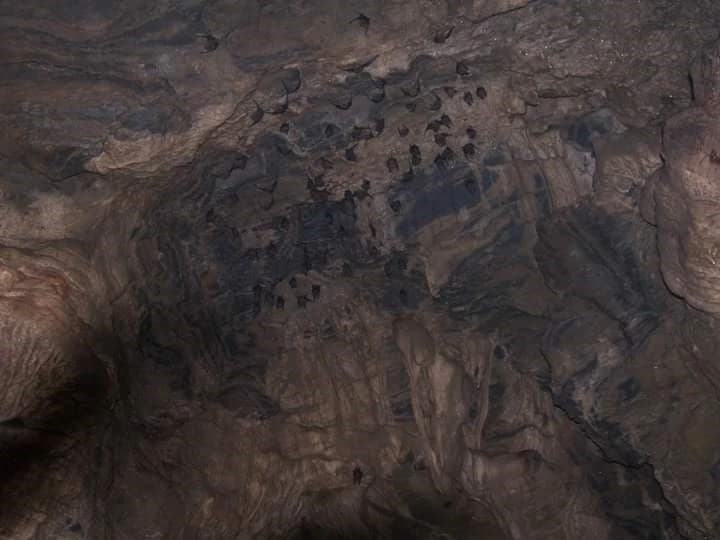
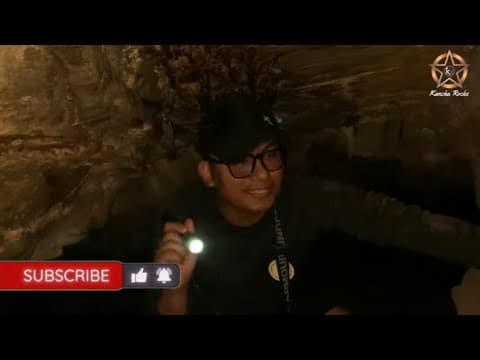
Kailash Cave (कैलाश गुफा), located in the scenic hills of Bahakot within Bhirkot Municipality Ward 7 of Syangja District, is a massive natural subterranean limestone cavern and revered speleological marvel. Nestled amidst terraced hills and sub-tropical forest ridges at an elevation of roughly 1,200 meters, the cave extends deep into the karst mountain bedrock, featuring extensive interconnecting galleries, domed chambers, and dramatic geologic formations. Inside the cavern, thousands of years of mineral-rich water drippings have sculpted extraordinary speleothems, including towering stalagmites, delicate hanging stalactites, and rippling flowstone curtains. Devotees and local elders venerate these natural stone shapes as divine manifestations of Lord Shiva, the sacred Mount Kailash, Kamadhenu's udders, and various Vedic deities. The cave also provides a natural roosting habitat for colonies of mountain bats, adding to its mysterious subterranean ecology. Equipped with internal lighting and safety steps in its main chambers, Kailash Cave has become a favored destination for speleology enthusiasts, school excursions, and religious pilgrims from surrounding districts. The approach route through Bahakot offers scenic walks across quiet traditional farming villages with views of the Aandhikhola river valley below, making it an engaging half-day adventure for visitors touring Bhirkot and Waling.
Kailash Cave (कैलाश गुफा), located in the scenic hills of Bahakot within Bhirkot Municipality Ward 7 of Syangja District, is a massive natural subterranean limestone cavern and revered speleological marvel. Nestled amidst terraced hills and sub-tropical forest ridges at an elevation of roughly 1,200 meters, the cave extends deep into the karst mountain bedrock, featuring extensive interconnecting galleries, domed chambers, and dramatic geologic formations. Inside the cavern, thousands of years of mineral-rich water drippings have sculpted extraordinary speleothems, including towering stalagmites, delicate hanging stalactites, and rippling flowstone curtains. Devotees and local elders venerate these natural stone shapes as divine manifestations of Lord Shiva, the sacred Mount Kailash, Kamadhenu's udders, and various Vedic deities. The cave also provides a natural roosting habitat for colonies of mountain bats, adding to its mysterious subterranean ecology. Equipped with internal lighting and safety steps in its main chambers, Kailash Cave has become a favored destination for speleology enthusiasts, school excursions, and religious pilgrims from surrounding districts. The approach route through Bahakot offers scenic walks across quiet traditional farming villages with views of the Aandhikhola river valley below, making it an engaging half-day adventure for visitors touring Bhirkot and Waling.
1 available
1 available
YouTube
Open YouTube
Discover More

Alamdevi Temple (आलमदेवी मन्दिर), situated in Lasargha within Kaligandaki Rural Municipality Ward 3 of Syangja District, is one of the most historically significant and sacred pilgrimage shrines in western Nepal. Venerated as the ancestral tutelary deity (Kuldevi) of the Shah kings of Nepal, the shrine traces its spiritual origin back over seven centuries. According to historical chronicles, when Prince Mincha Khan and his descendants established the principality of Nuwakot in Syangja and later expanded toward Kaski and Lamjung, Alamdevi was established as their protective sovereign deity. To this day, royal priests and state representatives continue to conduct solemn rituals here during major national festivals. A fascinating and distinctive ritual feature of Alamdevi is its open-air architecture and priestcraft tradition. Unlike typical multi-tiered Hindu pagodas, the main sanctum is a subterranean, roofless pit covered by stone and sacred sal trees, where the deity is worshipped as a hidden divine force. Furthermore, in an enduring testament to historic syncretism between the hill Magar populace and the ruling dynasty, the chief officiating priests (pujaris) belong strictly to the Rana Magar clan. Only the appointed Magar priest is permitted to enter the inner sanctum to perform esoteric Vedic-Tantric rituals and offer daily oblations. Perched on a forested hill overlooking the sweeping bends of the Kali Gandaki valley, Alamdevi attracts tens of thousands of pilgrims, particularly during Chaitra Dashain and the autumn Bada Dashain festivals. Devotees visit from across Nepal and India to seek blessings for protection, courage, and prosperity. The shrine is accessible via a motorable road branching off from the Siddhartha Highway at Waling or Galyang through scenic rural ridgelines.

Andha-Andhi Daha (अन्धा-अन्धी दह), also revered as Shravan Kumar Pokhari, is a sacred natural alpine lake and wetland situated in Aandhikhola Rural Municipality Ward 2 (Chilaunebas) of northern Syangja. Located at an altitude of approximately 1,750 meters in the verdant foothills south of the Panchase protected forest, this tranquil lake is deeply embedded in Hindu mythology as the legendary origin spring of the holy Aandhikhola river. According to the ancient Ramayana epic, when the dutiful son Shravan Kumar was mistakenly struck by King Dasharatha's hunting arrow while drawing water for his thirsty blind parents, the grief-stricken hermits cursed the king and wept inconsolably until their demise. Sacred folklore holds that the perennial springs of Andha-Andhi Daha were formed from the endless tears of the devoted blind parents, and that the waters flowing from the pond gave birth to the tears-river, the Aandhikhola. A dedicated shrine and memorial statue of Shravan Kumar carrying his elderly parents in woven baskets commemorate this immortal tale of filial devotion. The lake is enveloped by pristine rhododendron, oak, and pine woodlands rich in diverse birdlife, medicinal flora, and wild orchids. Its peaceful, reflective surface mirrors towering mossy trees and crisp blue skies, offering an atmosphere of serene contemplation. The site serves as a scenic eco-tourism and cultural retreat, accessible via hiking trails from Panchase or rural motorable roads connecting Aandhikhola with the Siddhartha Highway corridor.

Bhalu Pahad (भालु पहाड), literally 'Bear Hill', is a renowned scenic vantage point and roadside destination situated along the Siddhartha Highway (H10) in Phedikhola Rural Municipality Ward 2 of Syangja District. Carved directly into sheer limestone bluffs perched high above the meandering Aandhikhola river canyon, the viewpoint has evolved from a scenic transit stopover between Pokhara and Butwal into a celebrated tourist attraction in its own right, complete with dedicated observation decks, safety railings, and panoramic rest pavilions. The viewpoint offers spectacular natural panoramas of deep green river gorges, terraced hillsides cascading down toward Phedikhola, and mist-laden valley basins that turn golden during sunrise and sunset. On crisp winter and autumn mornings, visitors can gaze across layered mountain ridges stretching toward the southern Annapurna foothills. The site is famous for its constant refreshing mountain breeze, making it an irresistible natural oasis for travelers journeying across western Nepal's mid-hills. Beyond scenic vistas, Bhalu Pahad has developed a vibrant local culinary culture. Stalls and roadside cafes lining the cliff edge serve freshly plucked local seasonal fruits—including sweet Syangja oranges (suntala), guavas, and cucumbers seasoned with spicy mountain salt and crushed chili—alongside steaming cups of organic Himalayan coffee and tea. Located just a 45-minute drive south of Pokhara's Lakeside, Bhalu Pahad is an essential stop for road-trippers and weekend sightseers seeking fresh mountain air and photography opportunities.

The Kaligandaki 'A' Reservoir at Mirmi (मिर्मी कालीगण्डकी जलाशय) is a remarkable artificial lake created by Nepal's largest run-of-the-river hydroelectric installation (144 MW), located in Kaligandaki Rural Municipality Ward 7 of Syangja District. Engineered near the dramatic confluence where the Aandhikhola river empties into the mighty Kali Gandaki, the massive concrete diversion dam has transformed the rugged gorge into a serene, emerald-blue inland water body framed by soaring limestone cliffs and lush subtropical sal forests. What sets Mirmi apart as an exceptional travel destination is its unique inland water transport system—often referred to as Nepal's only commercial steamer boating network. Large motorized passenger boats and steamers cruise across the 7-kilometer reservoir gorge, carrying locals, pilgrims, and adventurers between Mirmi harbor and the sacred pilgrimage site of Setibeni. Gliding through the quiet, mirror-like canyon waters bordered by pristine vertical gorges offers a waterborne safari experience that is virtually unique in Nepal's mountainous mid-hills. The harbor area at Mirmi features viewing promenades, local fish eateries serving fresh catch from the Kali Gandaki, and boating facilities. The destination serves as an adventurous gateway for travelers exploring rural Gandaki, linking highway transit with thrilling water journeys down to the monumental Shaligram rock at Setibeni. The serene water expanse against the rugged topography provides outstanding landscape photography and birdwatching opportunities.

Keladi Dham (केलादी धाम), also known as Keladighat Radha Damodar Ashram, is an internationally respected Vaishnava spiritual pilgrimage sanctuary located on the banks of the sacred Kali Gandaki river in Chapakot Municipality Ward 6, in the southeastern corner of Syangja District. Situated at the tri-district crossroads where Syangja, Palpa, and Tanahun converge along the holy river, the ashram is celebrated as a cradle of Vedic learning, Gaudiya Vaishnava devotion, and spiritual philanthropy in western Nepal. The holy sanctuary was established in the early 20th century under the guidance of venerated saints, notably Swami Akhandananda Saraswati and spiritual luminaries rooted in the devotion of Chaitanya Mahaprabhu. The complex houses the beautiful Radha Damodar Temple, an extensive residential Sanskrit Gurukul school educating students in Vedic scriptures, a traditional Gaushala (cow sanctuary) caring for indigenous mountain cows, and peaceful meditation groves beside the holy riverbanks. Keladi Dham is particularly renowned for its solemn religious gatherings, including round-the-clock Akhanda Harinaam Kirtan (unceasing devotional chanting), holy bathing festivals during Maghe Sankranti and Kartik Purnima, and traditional Annadana (free food offerings for all visitors). The gentle murmuring of the Kali Gandaki, combined with Vedic chants echoing across the riverbanks, makes Keladi Dham an enchanting sanctuary for spiritual seekers and cultural explorers seeking peace away from urban centers.

Pallo Nuwakot (पाल्लो नुवाकोट गढी), also celebrated as Syangja Nuwakot, is an ancient Chaubisi-era hilltop fortress and former capital kingdom perched at an altitude of approximately 1,900 meters on the high ridges overlooking Putalibazar Municipality and Phedikhola Rural Municipality. Established in the mid-15th century (around 1453 AD) by King Mincha Khan—the historic ancestor of the Shah royal lineage who migrated from the western hills—this strategic stronghold served as the original sovereign seat of the Nuwakot principality long before the unification of Nepal. The complex preserves impressive archaeological fortifications, including stone ramparts, watchtowers, historic durbar palace foundations, cannon embankments, and ancient weapons storage magazines. At the spiritual heart of the fortress stands the formidable temple of Kala Bhairab (काल भैरव), a revered Tantric shrine where kings and warriors swore solemn oaths of allegiance before battle. The hilltop also houses the historic Kot Devi temple, where traditional ritual weapons (khukuris and swords) dating from medieval wars are preserved and venerated during Dashain. Beyond its monumental medieval history, Pallo Nuwakot commands one of the most magnificent 360-degree Himalayan panoramas in the Gandaki region. On clear days, the entire sweep of the Annapurna massif—including Annapurna South, Machhapuchhre (Fishtail), and Hiunchuli—alongside the snowcapped ramparts of Mount Dhaulagiri (8,167 m) and Manaslu, rises dramatically above rolling green hill ridges. Hiking or driving up the winding ridgeline road to Nuwakot rewards travelers with authentic Gurung and Magar village culture, crisp mountain air, and untamed heritage far from commercial tourist crowds.