YouTube
Drone View Shorts
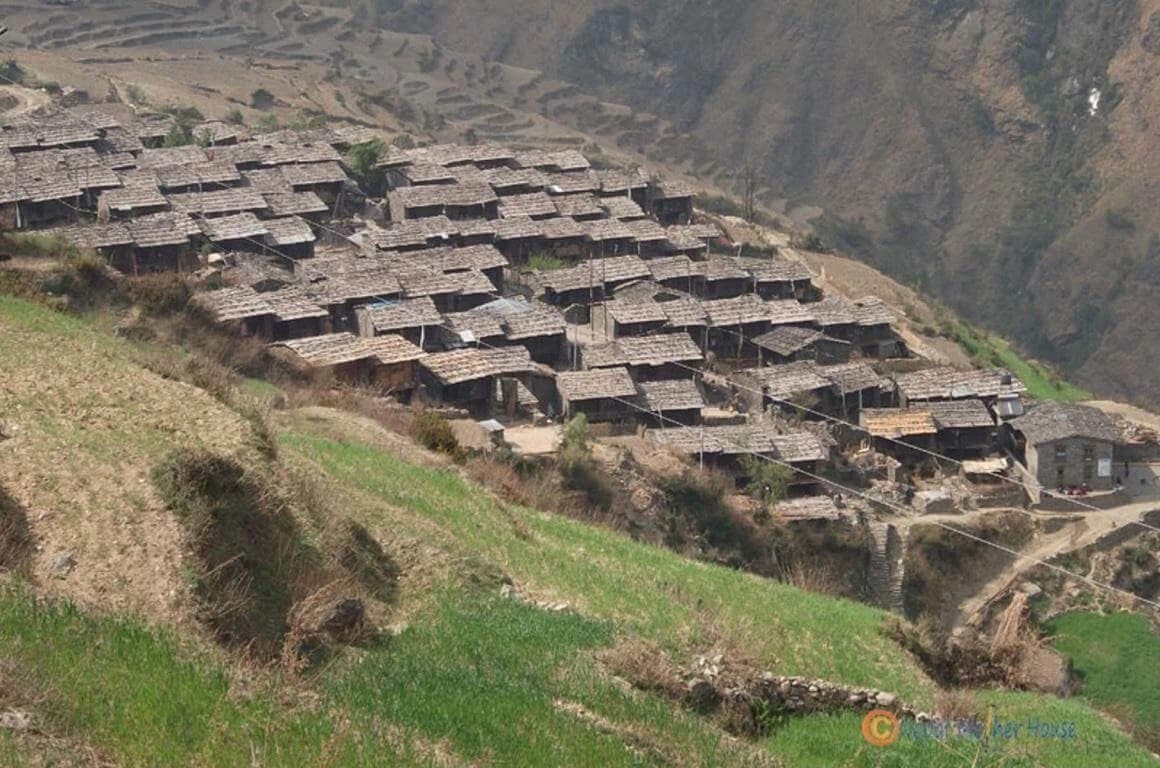
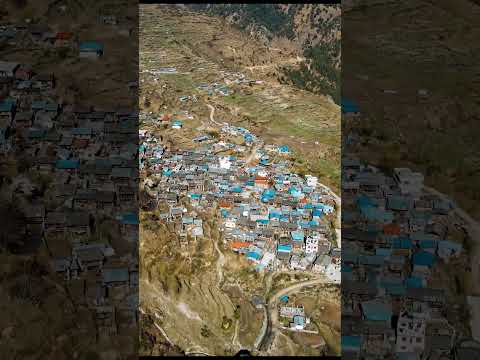
Known as Gatlang Village, and also simply called Gatlang, this picturesque Himalayan settlement in Rasuwa district is one of the most culturally rich villages along the Tamang Heritage Trail. Nestled at an elevation of approximately 2,238 meters, the village is home to the indigenous Tamang community, where visitors can experience centuries-old Tibetan-influenced traditions, warm hospitality, and an authentic mountain lifestyle. The village is characterized by traditional stone houses with slate roofs, colorful prayer flags, ancient monasteries, and terraced fields set against the backdrop of the majestic Langtang and Ganesh Himal mountain ranges. Gatlang is also known for its vibrant local festivals, traditional Tamang music and dance, handicrafts, and delicious local cuisine, offering travelers a deep cultural immersion. Nearby attractions include the sacred Parvati Kunda, natural hot springs, and scenic hiking trails that wind through forests, alpine meadows, and neighboring mountain villages. Spring and autumn are the ideal seasons to visit, when clear skies, blooming rhododendrons, and pleasant weather create perfect conditions for trekking and photography. Whether you're exploring the Tamang Heritage Trail, seeking authentic cultural experiences, or enjoying the tranquility of the Himalayas, Gatlang Village (Gatlang) offers one of Nepal's most memorable rural mountain destinations.
Known as Gatlang Village, and also simply called Gatlang, this picturesque Himalayan settlement in Rasuwa district is one of the most culturally rich villages along the Tamang Heritage Trail. Nestled at an elevation of approximately 2,238 meters, the village is home to the indigenous Tamang community, where visitors can experience centuries-old Tibetan-influenced traditions, warm hospitality, and an authentic mountain lifestyle. The village is characterized by traditional stone houses with slate roofs, colorful prayer flags, ancient monasteries, and terraced fields set against the backdrop of the majestic Langtang and Ganesh Himal mountain ranges. Gatlang is also known for its vibrant local festivals, traditional Tamang music and dance, handicrafts, and delicious local cuisine, offering travelers a deep cultural immersion. Nearby attractions include the sacred Parvati Kunda, natural hot springs, and scenic hiking trails that wind through forests, alpine meadows, and neighboring mountain villages. Spring and autumn are the ideal seasons to visit, when clear skies, blooming rhododendrons, and pleasant weather create perfect conditions for trekking and photography. Whether you're exploring the Tamang Heritage Trail, seeking authentic cultural experiences, or enjoying the tranquility of the Himalayas, Gatlang Village (Gatlang) offers one of Nepal's most memorable rural mountain destinations.
2 available
2 available
YouTube
Drone View Shorts
YouTube
Youtube Shorts
Discover More

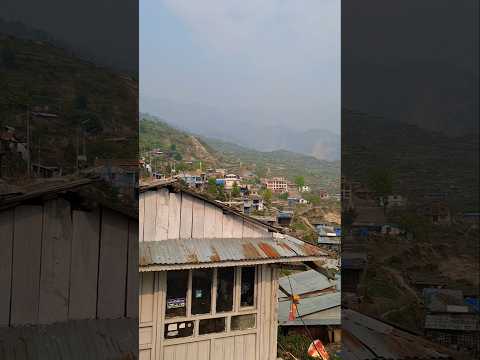
Known as Dhunche, and also spelled Dhunche Bazaar, this charming mountain town in Rasuwa district serves as the district headquarters and one of the main gateways to Langtang National Park. Situated at an elevation of approximately 2,030 meters, Dhunche is surrounded by lush pine forests, rolling hills, and spectacular Himalayan landscapes, making it a popular stop for trekkers and nature lovers. The town is the starting point for renowned trekking routes leading to Gosaikunda Lake, Langtang Valley, and the Tamang Heritage Trail, attracting adventurers from around the world. Home primarily to the Tamang community, Dhunche offers visitors an authentic glimpse into Himalayan culture through its traditional villages, Buddhist monasteries, local markets, and warm mountain hospitality. The nearby forests are rich in biodiversity and form part of Langtang National Park, where travelers may encounter wildlife such as the red panda, Himalayan black bear, musk deer, and a variety of colorful bird species. Spring and autumn are the best seasons to visit, offering blooming rhododendrons, pleasant trekking weather, and crystal-clear views of the surrounding snow-capped peaks. Whether you're preparing for an unforgettable Himalayan trek, exploring local Tamang culture, or simply enjoying the peaceful mountain atmosphere, Dhunche (Dhunche Bazaar) is the perfect gateway to the natural and cultural wonders of Rasuwa.

Known as Gosaikunda Lake, and also spelled Gosainkunda or Gosain Kunda, this sacred alpine lake in Rasuwa district is one of Nepal's most revered pilgrimage sites and a jewel of the Langtang National Park. Situated at an altitude of approximately 4,380 meters, the crystal-clear glacial lake is surrounded by rugged Himalayan peaks, alpine meadows, and pristine wilderness, creating one of the country's most breathtaking high-altitude landscapes. According to Hindu mythology, the lake was created by Lord Shiva, who struck the mountain with his trident to obtain water after consuming poison during the Samudra Manthan (Churning of the Ocean), making it one of the holiest lakes in Nepal. Every year during Janai Purnima, thousands of Hindu and Buddhist pilgrims undertake the challenging trek to bathe in its sacred waters, believing it cleanses sins and brings spiritual blessings. The Gosaikunda Trek passes through rhododendron forests, traditional Tamang villages, and alpine grasslands while offering spectacular views of Langtang Lirung, Ganesh Himal, Manaslu, and surrounding snow-capped peaks. Spring and autumn are the best seasons to visit, providing clear skies, pleasant trekking conditions, and vibrant mountain scenery. Whether you're seeking spiritual fulfillment, an unforgettable Himalayan adventure, or the serenity of Nepal's alpine wilderness, Gosaikunda Lake (Gosainkunda/Gosain Kunda) is a truly iconic destination.

Known as Kyanjin Gompa, and also called Kyanjin Monastery or Kyanjin Monastery Village, this sacred Buddhist monastery in Rasuwa district is one of the most iconic destinations along the Langtang Valley Trek. Situated at an elevation of approximately 3,870 meters within Langtang National Park, the monastery is surrounded by majestic glaciers, alpine meadows, and towering Himalayan peaks, creating one of Nepal's most spectacular mountain settings. Built centuries ago by the local Tamang community following Tibetan Buddhist traditions, Kyanjin Gompa serves as an important spiritual center where visitors can observe peaceful prayer ceremonies, colorful prayer flags, spinning prayer wheels, and ancient Buddhist rituals. The nearby Kyanjin Village is famous for its traditional yak cheese factory, allowing travelers to experience authentic mountain culture and local hospitality. Adventurous trekkers often use Kyanjin Gompa as a base for hikes to Kyanjin Ri and Tserko Ri, which offer breathtaking panoramic views of Langtang Lirung, Langshisa Ri, Yala Peak, and the surrounding snow-covered Himalayan ranges. Spring and autumn provide the best trekking conditions, with crystal-clear skies and unforgettable mountain scenery. Whether you're seeking spiritual serenity, high-altitude adventure, or an authentic Himalayan cultural experience, Kyanjin Gompa (Kyanjin Monastery/Kyanjin Monastery Village) is an unforgettable highlight of the Langtang region.

Known as Langtang Valley, and also called the Valley of Glaciers, this breathtaking Himalayan destination in Rasuwa district is one of Nepal's most spectacular trekking regions, celebrated for its dramatic mountain landscapes, rich Tibetan-influenced culture, and diverse alpine ecosystems. Located within Langtang National Park, the valley stretches beneath towering peaks, glaciers, and pristine rivers, offering magnificent views of Langtang Lirung (7,227 m), Dorje Lakpa, Gangchempo, and numerous snow-covered summits. The famous Langtang Valley Trek takes travelers through lush rhododendron and bamboo forests, cascading waterfalls, yak pastures, alpine meadows, and traditional Tamang villages, providing a perfect blend of natural beauty and cultural immersion. Visitors can explore charming settlements such as Langtang Village and Kyanjin Gompa, where ancient Buddhist monasteries, yak cheese factories, and warm local hospitality create unforgettable experiences. Spring and autumn are the best seasons to visit, when blooming rhododendrons, pleasant temperatures, and crystal-clear skies offer ideal trekking conditions. Despite being significantly affected by the 2015 Nepal earthquake, the resilient local communities have rebuilt the region, welcoming visitors once again to experience its extraordinary beauty and heritage. Whether you're seeking a world-class Himalayan trek, breathtaking alpine scenery, or authentic mountain culture, Langtang Valley (Valley of Glaciers) offers one of Nepal's most rewarding and unforgettable adventures.

Known as Rasuwagadhi Fort, and also called Rasuwa Fort, Rasuwagadhi Border Fort, or simply Rasuwagadhi, this historic fortress in Rasuwa district stands as one of Nepal's most significant military and cultural landmarks near the Nepal–China (Tibet) border. Perched strategically above the Bhote Koshi River, the fort has guarded the ancient Himalayan trade route between Nepal and Tibet for centuries, serving as an important checkpoint for commerce, diplomacy, and defense. During the Nepal–Tibet War (1855–1856), Rasuwagadhi played a vital role as a defensive stronghold, highlighting its strategic importance in Nepal's military history. Today, visitors can explore the remnants of the stone fortifications while enjoying breathtaking views of deep river gorges, forested hills, and the rugged Himalayan landscape that surrounds the border region. The site offers a fascinating glimpse into Nepal's historical trade connections with Tibet and the country's efforts to protect its northern frontier. Located near the modern Rasuwagadhi Border Point, the fort is often visited by travelers exploring the Langtang region or journeying toward the Nepal–China border. Whether you're interested in Nepal's military history, ancient trans-Himalayan trade, or dramatic mountain scenery, Rasuwagadhi Fort (Rasuwa Fort/Rasuwagadhi Border Fort) offers a unique combination of heritage, history, and spectacular landscapes.

Known as Syabrubesi, and also spelled Syabru Besi, this charming mountain town in Rasuwa district serves as the primary gateway to the world-famous Langtang Valley, Gosaikunda, and Tamang Heritage Trail. Situated at an elevation of approximately 1,460 meters along the banks of the Bhote Koshi and Langtang Khola rivers, the village is surrounded by lush forests, steep hills, and breathtaking Himalayan scenery. Home mainly to the Tamang community, Syabrubesi offers visitors an opportunity to experience authentic mountain hospitality, traditional culture, Tibetan-influenced Buddhist heritage, and delicious local cuisine before embarking on Himalayan adventures. The village features comfortable lodges, teahouses, cafés, and trekking services, making it one of Nepal's most important trekking hubs. Nearby attractions include natural hot springs, scenic suspension bridges, riverside trails, and abundant wildlife within Langtang National Park, where visitors may spot red pandas, Himalayan black bears, and diverse bird species. Spring and autumn are the best seasons to visit, offering pleasant weather, blooming rhododendrons, and crystal-clear views of the surrounding mountains. Whether you're beginning an unforgettable Himalayan trek, exploring Tamang culture, or simply enjoying the peaceful beauty of the Langtang region, Syabrubesi (Syabru Besi) is the perfect starting point for discovering the wonders of Rasuwa.