YouTube
Youtube Shorts
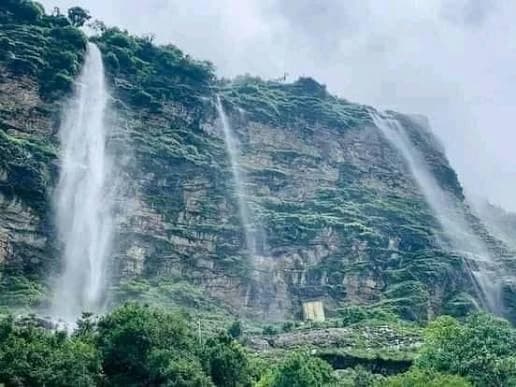
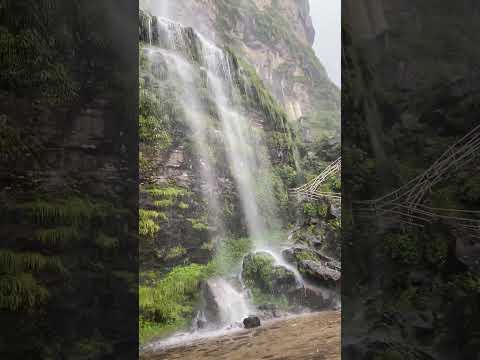
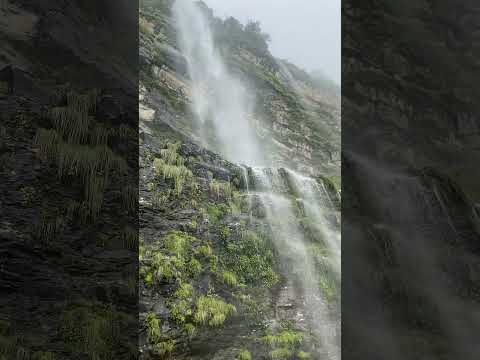
Known as Ganga Jamuna Waterfall, and also called Ganga Jamuna Jharana or Ganga Jamuna Falls, this magnificent twin waterfall in Dhading district is one of Nepal's most beautiful natural and spiritual attractions. Named after the sacred rivers Ganga and Yamuna (Jamuna), the waterfall is revered by locals and is closely associated with Hindu beliefs, attracting both pilgrims and nature lovers throughout the year. Cascading from towering cliffs amidst lush forests and rugged hills, the twin streams create a spectacular sight before merging into a crystal-clear pool below. The journey to the waterfall passes through picturesque villages, terraced farmlands, and scenic forest trails, offering visitors an opportunity to experience the authentic culture and hospitality of the local communities. Every year during the Janai Purnima festival, thousands of devotees gather here to take a holy bath, believing the sacred waters bring purification, good health, and blessings. Spring and autumn provide the best conditions for hiking and sightseeing, while the monsoon season transforms the waterfall into a powerful and dramatic cascade surrounded by vibrant greenery. Whether you're seeking spiritual serenity, breathtaking natural scenery, or an off-the-beaten-path adventure, Ganga Jamuna Waterfall (Ganga Jamuna Jharana/Ganga Jamuna Falls) offers an unforgettable experience in the heart of Dhading.
Known as Ganga Jamuna Waterfall, and also called Ganga Jamuna Jharana or Ganga Jamuna Falls, this magnificent twin waterfall in Dhading district is one of Nepal's most beautiful natural and spiritual attractions. Named after the sacred rivers Ganga and Yamuna (Jamuna), the waterfall is revered by locals and is closely associated with Hindu beliefs, attracting both pilgrims and nature lovers throughout the year. Cascading from towering cliffs amidst lush forests and rugged hills, the twin streams create a spectacular sight before merging into a crystal-clear pool below. The journey to the waterfall passes through picturesque villages, terraced farmlands, and scenic forest trails, offering visitors an opportunity to experience the authentic culture and hospitality of the local communities. Every year during the Janai Purnima festival, thousands of devotees gather here to take a holy bath, believing the sacred waters bring purification, good health, and blessings. Spring and autumn provide the best conditions for hiking and sightseeing, while the monsoon season transforms the waterfall into a powerful and dramatic cascade surrounded by vibrant greenery. Whether you're seeking spiritual serenity, breathtaking natural scenery, or an off-the-beaten-path adventure, Ganga Jamuna Waterfall (Ganga Jamuna Jharana/Ganga Jamuna Falls) offers an unforgettable experience in the heart of Dhading.
2 available
2 available
YouTube
Youtube Shorts
YouTube
Youtube Shorts
Discover More

Known as Dhadingbesi, and also spelled Dhading Besi, this vibrant town in Dhading district serves as the district headquarters and the administrative, commercial, and cultural center of the region. Nestled along the banks of the Trishuli River and surrounded by scenic green hills, Dhadingbesi is the main gateway to many of the district's famous attractions, including Ganesh Himal, the Ruby Valley Trek, Ganga Jamuna Waterfall, and Tripurasundari Mai Temple. The town offers a lively blend of traditional Nepali culture and modern conveniences, featuring bustling local markets, restaurants, hotels, government offices, and shops that cater to both residents and travelers. Visitors can explore nearby temples, riverside viewpoints, and cultural landmarks while experiencing the warm hospitality and diverse traditions of communities such as the Gurung, Tamang, Newar, Brahmin, and Chhetri people. Dhadingbesi also serves as an important transit hub for adventurers heading toward trekking routes and remote Himalayan villages in northern Dhading. Throughout the year, local festivals, fairs, and cultural celebrations add color and vibrancy to the town, offering visitors an authentic glimpse into everyday life in central Nepal. Whether you're beginning a Himalayan adventure, exploring local culture, or simply enjoying the peaceful beauty of the Trishuli Valley, Dhadingbesi (Dhading Besi) is the perfect starting point for discovering the diverse attractions of Dhading.

Known as Ganesh Himal, and also called the Ganesh Himal Range, this magnificent Himalayan mountain range stretching across Dhading, Rasuwa, Gorkha, and Nuwakot districts is one of Nepal's most spectacular yet less-crowded trekking destinations. Named after Lord Ganesh, the Hindu deity of wisdom and prosperity, the snow-covered peaks are said to resemble the elephant-headed god, giving the range its sacred name. The highest summit, Ganesh I (Yangra), rises to 7,422 meters, accompanied by several other majestic peaks that dominate the northern skyline. The region is renowned for its pristine glaciers, alpine meadows, rhododendron forests, hidden valleys, and rich biodiversity, offering an untouched Himalayan experience far from the busier trekking routes. Trekkers pass through traditional Tamang and Gurung villages, ancient monasteries, and scenic mountain trails while enjoying breathtaking views of Langtang, Manaslu, and surrounding Himalayan ranges. Spring and autumn are the ideal seasons to visit, with blooming rhododendrons, crystal-clear skies, and comfortable trekking conditions. Whether you're seeking remote Himalayan adventures, extraordinary mountain photography, or an authentic cultural journey through Nepal's highlands, Ganesh Himal (Ganesh Himal Range) offers one of the country's most rewarding mountain experiences.

Known as Jyamrung Fort Hills, and also called Jyamrung Fort, Jyamrung Kot, or Jyamrung Danda, this historic hilltop destination in Dhading district is one of the region's lesser-known yet fascinating heritage sites. The hill is home to the remains of the ancient Jyamrung Fort (Kot), which once served as an important defensive outpost controlling the surrounding valleys and trade routes during the Malla and Shah periods. Although much of the original fort has weathered over time, the site continues to preserve its historical significance while offering visitors a glimpse into Nepal's military and cultural past. Surrounded by lush forests, terraced hillsides, and traditional villages, the area provides a peaceful setting for hiking, nature walks, and cultural exploration. From the summit, visitors are rewarded with panoramic views of the Ganesh Himal, Manaslu, the Trishuli Valley, and the rolling green hills of central Nepal, making it a favorite destination for photographers and outdoor enthusiasts. Spring and autumn are the ideal seasons to visit, offering pleasant weather, blooming rhododendrons, and crystal-clear Himalayan vistas. Whether you're exploring forgotten historical landmarks, enjoying scenic hilltop hikes, or discovering the hidden heritage of Dhading, Jyamrung Fort Hills (Jyamrung Fort/Jyamrung Kot/Jyamrung Danda) offers a rewarding blend of history, nature, and spectacular landscapes.

Known as the Ruby Valley Trek, and also called the Ruby Valley Trail, this off-the-beaten-path trekking route in Dhading district is one of Nepal's best-kept Himalayan secrets, offering an extraordinary combination of pristine nature, rich indigenous culture, and spectacular mountain scenery. Named after the region's historic ruby gemstone deposits, the trail winds through the remote Ruby Valley between the Ganesh Himal and Langtang mountain ranges, passing traditional Tamang, Gurung, and Ghale villages where visitors can experience authentic Himalayan hospitality and centuries-old traditions. Trekkers journey through dense rhododendron forests, alpine meadows, cascading waterfalls, natural hot springs, and high mountain passes while enjoying breathtaking views of Ganesh Himal, Langtang Lirung, Manaslu, and surrounding snow-capped peaks. The route is also home to diverse wildlife, colorful birds, and unique Himalayan flora, making it a paradise for nature enthusiasts and photographers. Spring and autumn are the best seasons to explore the trail, offering blooming rhododendrons, pleasant weather, and crystal-clear mountain vistas. Unlike Nepal's more crowded trekking routes, the Ruby Valley Trek provides a peaceful and immersive experience, allowing travelers to connect deeply with both nature and local culture. Whether you're seeking an adventurous Himalayan expedition, authentic cultural encounters, or untouched mountain landscapes, the Ruby Valley Trek (Ruby Valley Trail) delivers one of Nepal's most rewarding trekking experiences.

Known as Siddha Baba Temple, and also called Siddhababa Temple or Siddha Baba Mandir, this revered Hindu shrine in Dhading district is a sacred place of worship dedicated to Siddha Baba, a highly respected saint believed to possess divine spiritual powers. Nestled amidst peaceful green hills and forests, the temple offers a tranquil atmosphere where devotees and visitors come to seek blessings for health, prosperity, protection, and success. According to local beliefs, sincere prayers offered at the temple are believed to fulfill wishes and bring good fortune, making it an important pilgrimage destination for people from Dhading and neighboring districts. The temple complex is surrounded by scenic natural beauty, providing visitors with panoramic views of the surrounding hills, forests, and rural landscapes that enhance its peaceful spiritual ambiance. During major Hindu festivals and local religious occasions, especially Shivaratri and other annual temple celebrations, the site comes alive with devotional prayers, traditional music, cultural programs, and community gatherings. The short journey to the temple through picturesque countryside further adds to the experience, allowing travelers to enjoy both nature and local culture. Whether you're seeking spiritual peace, exploring local religious heritage, or enjoying the serene beauty of Dhading's hills, Siddha Baba Temple (Siddhababa Temple/Siddha Baba Mandir) offers a memorable blend of faith, culture, and natural tranquility.

Known as Tripurasundari Mai Temple, and also called Tripurasundari Temple or Tripura Sundari Bhagwati Temple, this revered Hindu shrine in Dhading district is one of the region's most important pilgrimage sites dedicated to Goddess Tripurasundari, a powerful manifestation of Goddess Durga. Believed to be centuries old, the temple has long been a center of faith where devotees seek blessings for protection, prosperity, courage, and family well-being. Built in the traditional Nepalese pagoda style, the temple features beautifully carved wooden details, intricate metalwork, and a peaceful courtyard that reflects the rich architectural heritage of the region. Surrounded by lush green hills and traditional villages, the temple offers a serene atmosphere along with picturesque views of the surrounding countryside. Every year, especially during Dashain, Navaratri, and other major Hindu festivals, thousands of pilgrims gather here to participate in religious rituals, cultural celebrations, and traditional fairs that preserve the district's spiritual heritage. The warm hospitality of the local communities and the tranquil natural surroundings make the visit both culturally enriching and spiritually fulfilling. Whether you're exploring Nepal's sacred temples, learning about local traditions, or seeking a peaceful retreat in nature, Tripurasundari Mai Temple (Tripurasundari Temple/Tripura Sundari Bhagwati Temple) offers a memorable blend of faith, history, and cultural beauty.