YouTube
Open YouTube
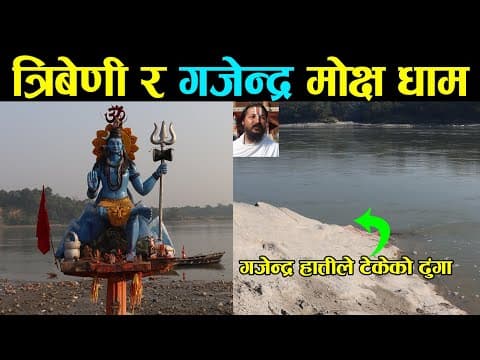
Gajendra Moksha Dham & Triveni Sangam (गजेन्द्र मोक्ष दिव्य धाम तथा त्रिवेणी संगम), situated in Binayi Tribeni Rural Municipality Ward 6 of southern Nawalpur, is one of the most sanctified and ancient Vaishnava pilgrimage hubs in the entire Himalayan subcontinent. Located at the sacred confluence (Triveni) where the Sona and Tamasa rivers merge into the monumental turquoise waters of the Narayani (Sapta Gandaki), the sanctuary is extolled in the Varaha Purana and Himavatkhanda as the mythological site where Lord Vishnu liberated the elephant king Gajendra from the mortal grip of the crocodile makara. The modern spiritual grandeur of the complex centers on the majestic Gajendra Moksha Divya Dham, established under the divine vision of the late revered saint Swami Someshwarananda Maharaj (Kamal Nayanacharya). The complex features soaring South Indian-style Gopuram towers, the revered Sheesh Mahal (a shimmering glass-inlaid temple hall depicting scenes from Vedic epics), an unceasing sacred flame (Akhanda Jyoti), traditional Sanskrit gurukuls, and expansive riverside bathing ghats where saints and pilgrims conduct ceremonial ablutions. Triveni Sangam is renowned for hosting the epic Maghe Sankranti Mela, during which hundreds of thousands of Hindu and Buddhist pilgrims from all across Nepal and northern India congregate for five days of ritual bathing, spiritual discourses, and holy fairs. Every twelve years, the site also celebrates a regional Kumbha Mela. Situated at the tranquil gateway near the Gandak Barrage and the forested buffer zone of Chitwan, Triveni offers a timeless glimpse into ancient riverside Vedic culture, philosophical learning, and deep spiritual communion.
Gajendra Moksha Dham & Triveni Sangam (गजेन्द्र मोक्ष दिव्य धाम तथा त्रिवेणी संगम), situated in Binayi Tribeni Rural Municipality Ward 6 of southern Nawalpur, is one of the most sanctified and ancient Vaishnava pilgrimage hubs in the entire Himalayan subcontinent. Located at the sacred confluence (Triveni) where the Sona and Tamasa rivers merge into the monumental turquoise waters of the Narayani (Sapta Gandaki), the sanctuary is extolled in the Varaha Purana and Himavatkhanda as the mythological site where Lord Vishnu liberated the elephant king Gajendra from the mortal grip of the crocodile makara. The modern spiritual grandeur of the complex centers on the majestic Gajendra Moksha Divya Dham, established under the divine vision of the late revered saint Swami Someshwarananda Maharaj (Kamal Nayanacharya). The complex features soaring South Indian-style Gopuram towers, the revered Sheesh Mahal (a shimmering glass-inlaid temple hall depicting scenes from Vedic epics), an unceasing sacred flame (Akhanda Jyoti), traditional Sanskrit gurukuls, and expansive riverside bathing ghats where saints and pilgrims conduct ceremonial ablutions. Triveni Sangam is renowned for hosting the epic Maghe Sankranti Mela, during which hundreds of thousands of Hindu and Buddhist pilgrims from all across Nepal and northern India congregate for five days of ritual bathing, spiritual discourses, and holy fairs. Every twelve years, the site also celebrates a regional Kumbha Mela. Situated at the tranquil gateway near the Gandak Barrage and the forested buffer zone of Chitwan, Triveni offers a timeless glimpse into ancient riverside Vedic culture, philosophical learning, and deep spiritual communion.
1 available
1 available
YouTube
Open YouTube
Discover More

Amaltari Tharu Community Homestay (अमलटारी थारु सामुदायिक होमस्टे), nestled in the traditional riverside village of Baghkhor in Kawasoti Municipality Ward 15 of Nawalpur District, is a nationally celebrated model of community-based eco-tourism and indigenous cultural preservation. Located approximately seven kilometers south of Danda Bazaar directly on the northern banks of the Narayani River, the homestay lies within the fertile buffer zone of Chitwan National Park and the Gundrahi Dhakaha Community Forest. Initiated in 2013 by local indigenous Tharu, Bote, and Musahar families, the project was designed to generate sustainable eco-tourism livelihoods while simultaneously protecting biodiversity and community wetlands. Guests stay in meticulously maintained traditional homes crafted with natural clay walls, timber beams, and thatched verandas, blending authentic rural warmth with modern hospitality comforts. Visitors are treated to unforgettable evenings of cultural heritage, including the exhilarating Tharu stick dance (Lathi Nach), fire dances, and traditional feasts featuring ghonghi (water snails), freshwater fish, duck curry, and indigenous rice specialties. Amaltari serves as a pristine, tranquil alternative to commercial safari towns like Sauraha. From the village boat harbor, visitors embark on tranquil wooden canoe safaris along the Narayani River to spot endangered Gharial crocodiles, marsh muggers, and migratory waterbirds, or venture into the Gundrahi Dhakaha community grasslands on guided jeep safaris to observe the Great One-Horned Rhinoceros, Bengal tigers, and spotted deer in their natural habitats.

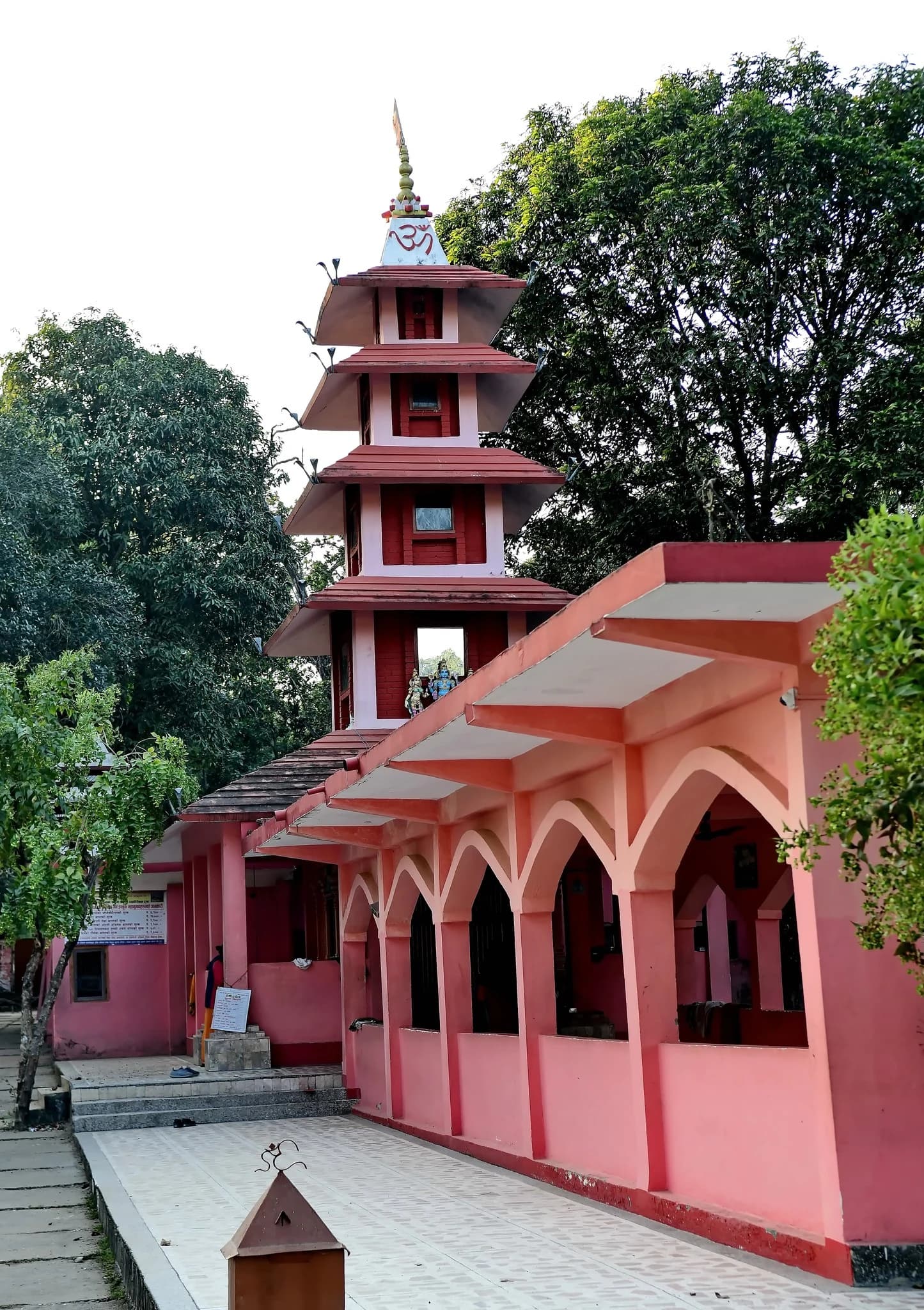
Daunne Devi Temple (दाउन्ने देवी मन्दिर), prominently perched atop the forested crest of Daunne Hill (ancient Trikut Parbat) at an elevation of 1,033 meters (3,379 feet) in Binayi Tribeni Rural Municipality Ward 2 of Nawalpur District, is an iconic hilltop pilgrimage sanctuary and landmark highway destination in western Nepal. Situated where the East-West Highway winds through the precipitous Daunne mountain pass connecting Dumkibas with Bardaghat, the temple has provided spiritual sanctuary and divine blessings for overland travelers and hill devotees for over four centuries. Historical records trace the temple's origins to the 16th century during the reign of King Mukunda Sen I of Palpa, with subsequent royal patronages by King Mahipal Sen in 1816 AD and historic bells offered by prominent Malla and Rana chieftains. The sacred stone idol of Goddess Durga is venerated as a wish-granting and disease-curing Shakti Peeth. An ascetic named Baba Ambika Puri played an instrumental role in the mid-20th century in preserving the jungle shrine and establishing the monastery and pilgrim rest house facilities that stand today. A shaded 30-minute stone stairway flanked by fluttering red prayer flags leads upward from Daunne Bazaar through lush sal and pine woodlands to the temple complex. The summit features ancient Shiva shrines, a Buddhist gumba, and panoramic observation platforms that command sweeping vistas over the rolling Terai plains stretching south toward India. Devotees flock here in large numbers during Bada Dashain, Chaitra Dashain, and Shree Panchami, making it both a revered spiritual destination and an invigorating nature hike.

Devchuli Peak (देवचुली डाँडा), also known as Devchuli Danda, is the highest mountain summit in Nawalpur District and the Chure-Mahabharat range of southern Gandaki Province, towering at an altitude of 1,936 meters (6,352 feet) along the northern boundary of Devchuli Municipality and Hupsekot Rural Municipality. Standing as an imposing natural wall above the lush inner Terai plains, this prominent peak is both an exhilarating wilderness trekking destination and a deeply venerated sacred mountain for both indigenous hill Magar and lowland Tharu communities. The trekking route to Devchuli typically begins from Daldale or Kirtipur along the East-West Highway, winding through Bojhapokhari and traditional stone-terraced Magar hamlets before ascending through untouched subtropical oak, rhododendron, and pine forests. Along the route and near the summit ridge, hikers encounter ancient limestone caves and the sacred Tinkanya Mai Temple, an open-air stone shrine where local shamans and pilgrims gather during Chandi Purnima and Baisakh Purnima to perform traditional rituals praying for timely rains, fertile crops, and protection from natural calamities. The summit ridge, crowned by a dedicated observation view tower, commands an extraordinary 360-degree geographic panorama that showcases the extreme environmental diversity of Nepal. Looking north, trekkers can behold the glistening snowbound ramparts of the Annapurna, Dhaulagiri, Machhapuchhre (Fishtail), and Manaslu mountain massifs floating above the green mid-hills. Turning south reveals the vast, emerald expanse of Chitwan National Park and the winding silver ribbons of the Narayani River traversing the flat Terai plains into India.

The Jatayu Vulture Restaurant (जटायु गिद्ध रेस्टुरेन्ट), located in Pithauli within Kawasoti Municipality Ward 13 of Nawalpur District, is the world's very first community-managed vulture conservation and safe-feeding sanctuary. Established in 2006 by pioneering local conservationist Dhan Bahadur Chaudhary in collaboration with Bird Conservation Nepal (BCN) and local community forest user groups, this globally acclaimed eco-tourism destination was created in response to the catastrophic collapse of South Asian vulture populations caused by veterinary diclofenac poisoning. The sanctuary operates on an innovative community model: aging, non-productive cattle are purchased from local farmers, cared for in a dedicated old-age cow shelter (Gaushala) until they die of natural causes, and tested rigorously to ensure they are completely free of toxic drugs. The clean carcasses are then placed in designated feeding grounds, providing safe food for critically endangered scavenger birds. By naming the facility after Jatayu—the heroic bird king of the Ramayana who sacrificed his life fighting evil—the project transformed local superstitious dread into deep cultural pride and active ecological stewardship. Today, the site is a world-class pilgrimage for ornithologists, birdwatchers, wildlife biologists, and eco-tourists from around the globe. Eight of the nine vulture species recorded in Nepal—including the critically endangered White-rumped vulture, Slender-billed vulture, and Red-headed vulture—flourish here. The sanctuary features camouflaged observation blinds (photo hides) where visitors can watch hundreds of massive raptors swoop down in exhilarating feeding frenzies while preserving undisturbed wildlife habitats along the Narayani River corridor.

Maulakalika Temple (मौलाकालिका मन्दिर), situated atop the scenic Maula Hill at an altitude of 561 meters in Gaindakot Municipality Ward 1 of Nawalpur District, is one of the most celebrated and historic Shakti Peeth pilgrimage destinations in central Nepal. Overlooking the sacred Narayani River directly opposite the bustling cities of Narayangarh and Bharatpur, the shrine has origins tracing back to the 16th century under King Mukunda Sen of Palpa, who consecrated the site with a wooden ceremonial post (Maula) to invoke Goddess Kalika's supreme protection. The temple is traditionally approached by climbing a picturesque stone stairway consisting of approximately 2,000 steps that wind through dense sal, chilaune, and sub-tropical forest ridges inhabited by diverse wildlife. In 2023, the modern Maulakali Cable Car was inaugurated, offering a seamless and scenic 6-minute aerial transit from the base station in Gaindakot directly to the temple ridge, making this sacred hilltop accessible to pilgrims of all ages and abilities. From the temple observation plaza, visitors are treated to breathtaking panoramic vistas encompassing the wide meandering braids of the Narayani River, the fertile agricultural plains of Chitwan, the rolling ridges of the Mahabharat range, and distant snow-capped peaks of the Annapurna and Manaslu massifs on crystal-clear mornings. Tens of thousands of devotees climb the hill during the auspicious Navaratri festivals of Bada Dashain and Chaite Dashain, as well as on Saturdays and public holidays, to offer prayers and experience the tranquil harmony between spiritual devotion and natural grandeur.

Shashwat Dham (शाश्वत धाम), also widely celebrated as the CG Temple, is an exquisite 12-acre Vedic spiritual sanctuary and architectural masterpiece located at Dumkauli in Devchuli Municipality Ward 2 of Nawalpur District, directly along the East-West Highway. Conceptualized and developed by the Chaudhary Group over a span of fourteen years, the spiritual retreat was inaugurated in March 2017 by Sri Sri Ravi Shankar and Shankaracharya representatives, instantly establishing itself as one of the premier cultural and spiritual destinations in South Asia. The jewel of the complex is the Ekambareshwor Shiva Temple, an awe-inspiring stone sanctuary sculpted in the classical Khajuraho and Dravidian temple styles by master artisans. Perched in the center of a serene sacred pond (Santoram Sarovar) infused with holy waters collected from all seven sacred river tributaries of the Sapta Gandaki, the temple radiates profound spiritual tranquility. Surrounding the sanctum are 108 Shivalingas, artistic pavilions honoring sixteen Vedic deities, the Navagraha planetary shrines, a majestic Buddha Astu Dhatu Chaitya, and an imposing bronze statue of Lord Buddha. Beyond its architectural splendor, Shashwat Dham operates as a holistic spiritual and educational center. It houses a residential Vedic Karmakanda Gurukul nurturing traditional Sanskrit scholars, an interactive Hindu Religious Heritage Museum, the Sri Sri Center for Yoga and Meditation, a traditional Gaushala (cow sanctuary), organic herbal gardens, and cultural amphitheaters. At dusk, the entire complex is illuminated by thousands of synchronized lights reflecting upon the water, creating a mesmerizing spiritual spectacle that attracts millions of domestic and international visitors each year.