YouTube
Open YouTube
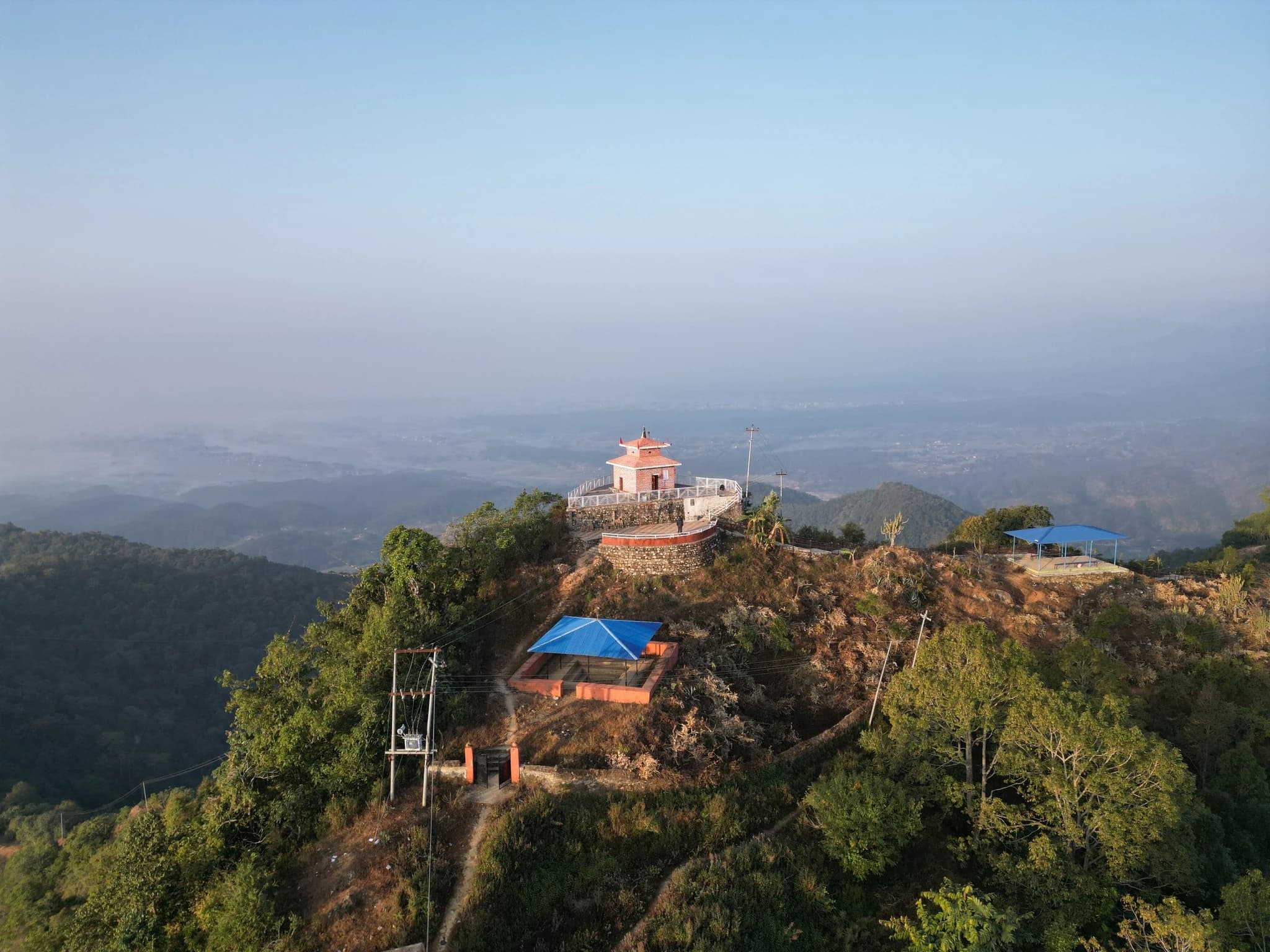
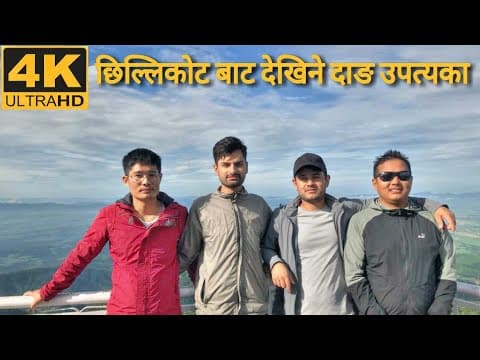
Chhilikot Hill and Kalika Malika Fort (छिलिकोट डाँडा तथा कालिका मालिका गढी), crowning the northern Mahabharat mountain ridge of Dang at an elevation of 1,239 meters in Tulsipur Sub-Metropolitan City-19, is the premier historic hill citadel, viewpoint, and botanical sanctuary of the district. Perched strategically above the northern rim of Dang Valley, Chhilikot served in medieval times as the royal fortified capital (*Kot*) of the historic Thaku kings of Dang. The hilltop preserves ancient stone fortress battlements, defensive trenches, antique armory remnants, and twin sacred mountain shrines dedicated to the protector goddesses Kalika Devi and Malika Devi. The surrounding mountain forests are world-renowned for their unique natural abundance of *Sugandhakokila* (*Cinnamomum glaucescens*, locally known as Malagiri), an indigenous aromatic medicinal tree whose fragrant leaves and berries scent the entire ridge breeze. From the summit vantage points, trekkers and visitors enjoy staggering 360-degree panoramas—gazing south over the vast, shimmering expanse of the Dang and Deukhuri valleys, and north toward the snow-crowned Himalayan summits of Sisne Himal and the Dhaulagiri range. Popular for day hiking, cultural exploration, and birdwatching, Chhilikot is the crowning jewel of northern Dang's mountain heritage.
Chhilikot Hill and Kalika Malika Fort (छिलिकोट डाँडा तथा कालिका मालिका गढी), crowning the northern Mahabharat mountain ridge of Dang at an elevation of 1,239 meters in Tulsipur Sub-Metropolitan City-19, is the premier historic hill citadel, viewpoint, and botanical sanctuary of the district. Perched strategically above the northern rim of Dang Valley, Chhilikot served in medieval times as the royal fortified capital (*Kot*) of the historic Thaku kings of Dang. The hilltop preserves ancient stone fortress battlements, defensive trenches, antique armory remnants, and twin sacred mountain shrines dedicated to the protector goddesses Kalika Devi and Malika Devi. The surrounding mountain forests are world-renowned for their unique natural abundance of *Sugandhakokila* (*Cinnamomum glaucescens*, locally known as Malagiri), an indigenous aromatic medicinal tree whose fragrant leaves and berries scent the entire ridge breeze. From the summit vantage points, trekkers and visitors enjoy staggering 360-degree panoramas—gazing south over the vast, shimmering expanse of the Dang and Deukhuri valleys, and north toward the snow-crowned Himalayan summits of Sisne Himal and the Dhaulagiri range. Popular for day hiking, cultural exploration, and birdwatching, Chhilikot is the crowning jewel of northern Dang's mountain heritage.
1 available
1 available
YouTube
Open YouTube
Discover More

Ambikeshwari Bhagwati Temple (अम्बिकेश्वरी भगवती मन्दिर), gracefully situated along the tranquil banks of the Sechha (Katuwa) River in Ambabali within Ghorahi Sub-Metropolitan City-19, is the premier Shaktipeeth and supreme mother-goddess pilgrimage sanctuary of the Dang Valley. Celebrated in regional scriptures and Hindu lore as one of the 51 sacred Shaktipeeths, legend recounts that the right ear (*Karna*) of Sati Devi fell at this consecrated spot while Lord Shiva roamed the cosmos carrying her physical form. The temple houses an aniconic natural rock shrine representing the divine feminine energy, embellished with sacred silver plating, gilded ornaments, and traditional tridents. The pagoda-style main temple is complemented by subsidiary shrines dedicated to Lord Ganesh, Bhairav, and Shiva, all surrounded by sprawling banyan and peepal trees providing cool shade. During Navaratri, Dashain, and Chaite Dashain, Ambikeshwari becomes the vibrant focal point of western Nepal's religious life, echoing with sacred Vedic hymns, devotional *bhajan-kirtan*, and traditional panche baja music. Pilgrims from Dang, Pyuthan, Rolpa, Banke, and cross-border regions visit to seek blessings for protection, prosperity, and spiritual fulfillment.

Barakune Daha and Baraha Chhetra (बराहकुने दह तथा बराह क्षेत्र), situated approximately 6 kilometers northwest of Ghorahi along the northern Mahabharat hill slopes in Ghorahi Sub-Metropolitan City-4, is an ancient sacred lake and pilgrimage sanctuary dedicated to the Varaha (boar) avatar of Lord Vishnu. Named 'Barakune' due to its unique geological geometry featuring twelve natural corners (*barah kune*), the perennial freshwater lake is fed by natural subterranean springs emerging from the surrounding forested hills. On the eastern shore stands the historic Baraha Temple, where devotees offer prayers to the boar-incarnation deity who rescued the Earth according to Hindu cosmology. The serene lake is encircled by dense greenery, bird sanctuaries, and landscaped stone platforms. Every year on the auspicious festival of Makar Sankranti (Maghe Sankranti) in mid-January, Barakune Daha hosts one of Dang's largest and most colorful religious fairs (*Makar Mela*). Thousands of pilgrims from indigenous Tharu, Magar, and Khas communities gather to take sacred dawn baths in the lake's holy waters, sacrifice coconuts, and celebrate traditional folk dances and songs.

Pandaveshwor Mahadev Temple at Dharapani (पाण्डवेश्वर महादेव धाम, धारापानी), situated 9 kilometers south of Ghorahi along the gentle foothills of the Chure range in Ghorahi Sub-Metropolitan City-5, is the most celebrated Shaivite pilgrimage destination and spiritual landmark of western Nepal. World-renowned for housing the Guinness-recognized world's largest metal trident (*Trishul*)—standing an astonishing 55.5 feet tall and forged from 8,113 kilograms of sacred Panchadhatu alloy—the temple campus is an expansive religious sanctuary attracting pilgrims from across South Asia. According to regional Mahabharata folklore, the five Pandava brothers, alongside Draupadi, performed rigorous penances at this holy hermitage during their period of exile (*Agyatavas*), consecrating sacred Shivalingas and invoking divine blessings from Lord Shiva. Perpetual freshwater mountain springs (*dhara*) cascade into stone bathing spouts and holy ponds surrounding the sanctum, where devotees perform ritual ablutions before worship. Surrounded by serene sub-tropical Sal forests and scenic walking pathways, Dharapani transforms into a vibrant spiritual sea during Maha Shivaratri and the sacred month of Shrawan, when hundreds of thousands of pilgrims, sadhus, and cultural travelers gather to offer prayers, bells, and sacred Bel leaves.

Jakhera Lake and Wetland (जखेरा ताल तथा सिमसार), resting peacefully in Sonpur / Banghushree within Lamahi Municipality-3 approximately 5 kilometers north of the East-West Highway, is the crown ecological, recreational, and wetland wonder of Deukhuri Valley. Covering an expansive surface area of roughly 5.5 hectares, this picturesque natural lake is encircled by dense, virgin Sal (*Shorea robusta*) forests and landscaped botanical gardens. The tranquil freshwater ecosystem supports vibrant aquatic life, water lilies, and over 40 species of migratory and resident wetland birds—including whistling ducks, egrets, kingfishers, and herons. Shrines dedicated to Lord Ganesh and Lord Shiva grace the lake shores, creating a peaceful fusion of eco-tourism and spiritual serenity. Visitors can glide across the placid lake waters aboard paddle boats, relax under sheltered wooden gazebos, stroll along stone-paved nature walkways, or picnic amidst towering Sal trees. Jakhera Lake stands as a model community-conserved wetland and the most popular nature retreat in southern Dang.

Purandhara Waterfall (पुरन्धारा झरना), located in Babai Rural Municipality-5 in western Dang near the southern banks of the Babai River, is the most spectacular natural waterfall and outdoor canyon destination in the district. Plunging over 45 meters down sheer sandstone and limestone rock cliffs, the waterfall crashes into a deep natural plunge pool before flowing directly into the emerald waters of the Babai River corridor. The surrounding landscape features virgin Sal forests, dramatic rock overhangs, natural caves, and diverse wildlife habitats home to spotted deer, monkeys, and colorful sub-tropical birds. A local suspension footbridge spans the river nearby, providing breathtaking aerial vantage points of the rushing waters. Particularly roaring and majestic following the monsoon rains, Purandhara attracts ecotourists, nature photographers, adventurous hikers, and families seeking a scenic wilderness picnic far from the urban bustle. The site is a prime highlight along western Dang's emerging nature and river adventure corridor.

Ratnanath Temple and Chaughera Gorakhnath Math (गोरक्ष रत्ननाथ मन्दिर तथा चौघेरा मठ), located in Ghorahi Sub-Metropolitan City-17 approximately 3 kilometers east of the central bazaar, is the venerated national spiritual headquarters and ancient monastic seat of the Kanphata Nath Yogi tradition in Nepal. Established during the medieval era by Yogi Ratnanath—a revered royal ascetic disciple of Guru Gorakhnath said to have mediated between kings, yogis, and spiritual seekers—the monastery complex is a national archaeological and religious monument preserved under the Department of Archaeology. The sanctuary encompasses centuries-old multi-roofed pagodas, ancient stone chaityas, inscribed copper plaques, and an eternal holy fire (*Akhanda Dhuni*) that has remained continuously lit for centuries, tended day and night by resident Nath ascetics. A centerpiece of trans-boundary heritage, Chaughera is the custodian of the sacred *Patra Devata* (a holy copper vessel consecrated by Yogi Ratnanath). Each year during Bijaya Dashami, the Patra Devata is taken on a celebrated ceremonial pilgrimage journey between Chaughera and sacred shrines in India (including Cachar in Assam and Devi Patan in Tulsipur, UP), symbolizing unbroken centuries of shared cultural history. Visitors can explore antique museum artifacts, admire ancient Newar-Malla style woodcarvings, and observe tranquil monastic yoga traditions.