YouTube
Youtube Shorts
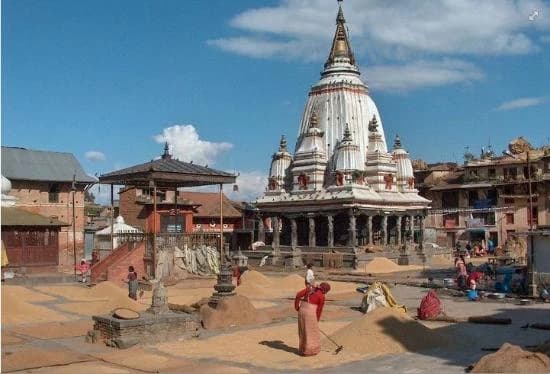
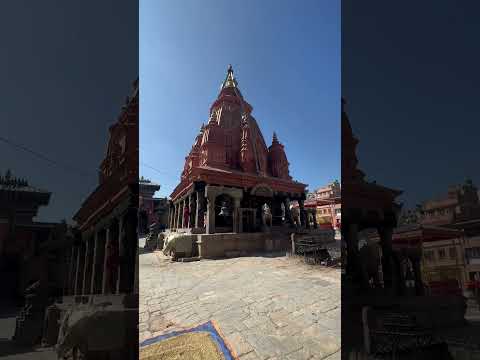
Known as Bungamati, and also spelled Bunga Mati, this charming Newari heritage village in Lalitpur is one of the oldest traditional settlements in the Kathmandu Valley, celebrated for its living culture, exquisite woodcarving, and centuries-old traditions. The village is the revered home of Rato Machhindranath (Bunga Dyah), the patron deity of rain and harvest, making it one of the most important religious and cultural centers of the Newar community. Every year, the world-famous Rato Machhindranath Jatra begins from Bungamati, attracting thousands of devotees and visitors who gather to witness one of Nepal's longest and most spectacular chariot festivals. Walking through its narrow brick streets, visitors can admire beautifully carved wooden houses, ancient temples, traditional courtyards, and skilled artisans preserving generations-old craftsmanship. Bungamati is particularly renowned for its master woodcarvers, whose intricate creations can be seen throughout the village and in heritage sites across Nepal. Despite the damage caused by the 2015 earthquake, extensive restoration efforts have helped preserve the village's unique historical character and cultural identity. Located just a short distance from Khokana and Patan, Bungamati offers an authentic journey into Nepal's rich Newari heritage and timeless village life. Whether you're fascinated by traditional architecture, vibrant festivals, local craftsmanship, or living history, Bungamati (Bunga Mati) promises an unforgettable cultural experience.
Known as Bungamati, and also spelled Bunga Mati, this charming Newari heritage village in Lalitpur is one of the oldest traditional settlements in the Kathmandu Valley, celebrated for its living culture, exquisite woodcarving, and centuries-old traditions. The village is the revered home of Rato Machhindranath (Bunga Dyah), the patron deity of rain and harvest, making it one of the most important religious and cultural centers of the Newar community. Every year, the world-famous Rato Machhindranath Jatra begins from Bungamati, attracting thousands of devotees and visitors who gather to witness one of Nepal's longest and most spectacular chariot festivals. Walking through its narrow brick streets, visitors can admire beautifully carved wooden houses, ancient temples, traditional courtyards, and skilled artisans preserving generations-old craftsmanship. Bungamati is particularly renowned for its master woodcarvers, whose intricate creations can be seen throughout the village and in heritage sites across Nepal. Despite the damage caused by the 2015 earthquake, extensive restoration efforts have helped preserve the village's unique historical character and cultural identity. Located just a short distance from Khokana and Patan, Bungamati offers an authentic journey into Nepal's rich Newari heritage and timeless village life. Whether you're fascinated by traditional architecture, vibrant festivals, local craftsmanship, or living history, Bungamati (Bunga Mati) promises an unforgettable cultural experience.
2 available
3 available
YouTube
Youtube Shorts
YouTube
Youtube Shorts
YouTube
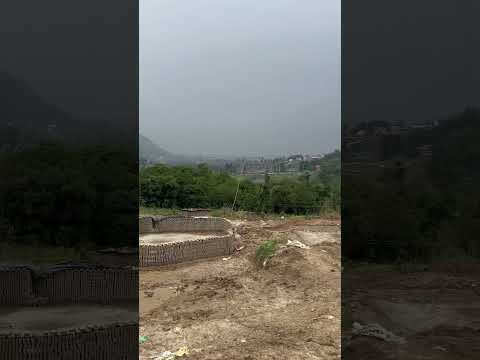
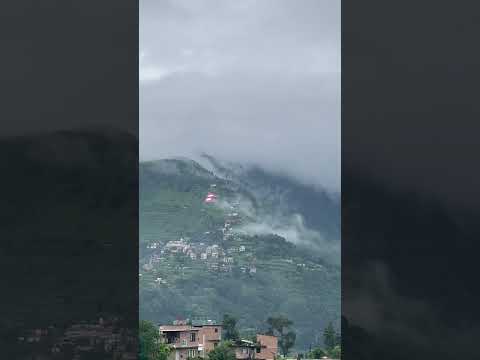
View from Bungamati
Discover More

Known as Central Zoo, and also popularly called the Jawalakhel Zoo or Central Zoo of Nepal, this is the country's oldest and largest zoo, located in Jawalakhel, Lalitpur. Established in 1932 as a private menagerie by the Rana rulers and later opened to the public, the zoo is now managed by the National Trust for Nature Conservation (NTNC). Spread across beautifully landscaped grounds, it is home to more than a hundred species of native and exotic animals, including the one-horned rhinoceros, Royal Bengal tiger, Asian elephant, Himalayan black bear, red panda, gharial crocodile, and numerous colorful birds. The zoo serves not only as a popular recreational destination but also as an important center for wildlife conservation, education, and breeding programs for endangered species. Visitors can enjoy peaceful walks through lush gardens, observe animals in well-maintained enclosures, and relax beside the scenic central pond while learning about Nepal's rich biodiversity. The zoo is especially popular with families, school groups, and wildlife photographers, making it one of the most visited attractions in the Kathmandu Valley. Conveniently located near Patan Durbar Square, Central Zoo (Jawalakhel Zoo/Central Zoo of Nepal) offers an enjoyable and educational experience for visitors of all ages.

Known as Godawari Botanical Garden, and also popularly called the National Botanical Garden or simply Godawari Garden, this lush botanical paradise in Lalitpur is Nepal's largest and oldest botanical garden, nestled at the foothills of the Phulchoki Hills. Spread across more than 80 hectares, the garden is home to thousands of species of native and exotic plants, including colorful orchids, rhododendrons, medicinal herbs, ferns, and rare Himalayan flora. Its beautifully landscaped lawns, peaceful ponds, tree-lined pathways, and vibrant flower gardens make it a favorite destination for nature lovers, photographers, students, and families. The garden also serves as an important center for plant conservation, botanical research, and environmental education, attracting researchers and visitors from around the world. Rich birdlife and butterflies further enhance its tranquil atmosphere, making it an excellent spot for birdwatching and wildlife photography. Spring (March–April) is the best time to visit, when blooming flowers and pleasant weather transform the garden into a spectacular display of colors. Located just a short drive from central Kathmandu and close to Phulchoki Hill, it is an ideal destination for a relaxing day surrounded by nature. Whether you're interested in rare plants, peaceful walks, picnics, or simply escaping the city's hustle, Godawari Botanical Garden (National Botanical Garden/Godawari Garden) offers one of the most refreshing natural experiences in the Kathmandu Valley.

Known as Hiranya Varna Mahavihar, and also popularly called the Golden Temple or Kwa Bahal, this magnificent Buddhist monastery in the heart of Patan, Lalitpur is one of Nepal's most revered and beautifully preserved religious landmarks. Founded in the 12th century by King Bhaskar Verma, the monastery is renowned for its richly gilded façade, intricate bronze sculptures, exquisite wood carvings, and traditional Newari architecture that showcase centuries of artistic excellence. Dedicated to Lord Buddha and the Buddhist deity Shakyamuni, the monastery remains an active place of worship where monks and devotees perform daily prayers, meditation, and religious rituals. The peaceful courtyard is adorned with golden prayer wheels, sacred shrines, colorful murals, and a beautifully crafted golden image of Buddha, creating a serene spiritual atmosphere. Visitors can also admire ancient manuscripts, traditional artworks, and sacred artifacts that reflect Nepal's rich Buddhist heritage. During festivals such as Buddha Jayanti and Samyak Mahadan, the monastery becomes a vibrant center of devotion and cultural celebration. Located just a short walk from Patan Durbar Square, Hiranya Varna Mahavihar (Golden Temple/Kwa Bahal) is an essential destination for anyone exploring Lalitpur's historic and spiritual treasures. Whether you're seeking cultural insight, architectural beauty, or a peaceful place for reflection, this timeless monastery offers one of the most enriching experiences in the Kathmandu Valley.

Known as Khokana, this centuries-old Newari heritage village in Lalitpur is one of Nepal's best-preserved traditional settlements, renowned for its rich culture, timeless architecture, and famous mustard oil production. Believed to have existed since the medieval Malla period, the village offers visitors a glimpse into authentic Newari life with its narrow brick-paved alleys, beautifully carved wooden houses, traditional courtyards, and ancient temples. Khokana is especially famous for producing Khokana Mustard Oil, extracted using traditional wooden presses that have been in use for generations. The village is also home to the revered Rudrayani Temple, where the unique Rudrayani Jatra festival is celebrated with colorful chariot processions and centuries-old rituals. Walking through Khokana feels like stepping back in time, as local residents continue to preserve their customs, festivals, crafts, and traditional way of life. Visitors can sample authentic Newari cuisine, observe local artisans at work, and experience the warm hospitality of one of Nepal's oldest living heritage communities. Located just a short drive from Patan, Khokana is an ideal destination for those seeking cultural immersion beyond the bustling city. Whether you're interested in history, traditional architecture, local food, or authentic village life, Khokana offers one of the most enriching cultural experiences in the Kathmandu Valley.

Known as Krishna Mandir, and also popularly called Patan Krishna Temple, this iconic stone temple in Patan Durbar Square, Lalitpur, is one of Nepal's finest architectural masterpieces and a UNESCO World Heritage landmark. Dedicated to Lord Krishna, the temple was built in 1637 AD by King Siddhi Narsingh Malla and is celebrated as the country's first temple constructed entirely from stone in the magnificent Shikhara architectural style. Inspired by Indian temple architecture, its three-tiered structure is adorned with exquisitely carved stone sculptures depicting scenes from the Mahabharata, Ramayana, and various Hindu deities. Located at the heart of the historic royal square, the temple has remained an important center of worship and a symbol of Lalitpur's rich artistic and cultural heritage for centuries. Every year, thousands of devotees gather here during Krishna Janmashtami, when the temple comes alive with devotional songs, prayers, oil lamps, and vibrant cultural celebrations. Visitors are captivated by its intricate craftsmanship, timeless beauty, and the lively atmosphere created by the surrounding heritage monuments, museums, and traditional Newari settlements. Whether you're a pilgrim seeking blessings, a history enthusiast, or an admirer of exceptional architecture, Krishna Mandir (Patan Krishna Temple) offers one of the most remarkable cultural and spiritual experiences in the Kathmandu Valley.

Known as Lakuri Bhanjyang, and also commonly spelled Lakuri Bhanjang, this scenic hill station in Lalitpur is one of the closest and most popular mountain escapes from Kathmandu, renowned for its breathtaking Himalayan views and peaceful natural surroundings. Perched at an elevation of around 2,000 meters, the destination offers spectacular panoramas of the Kathmandu Valley and, on clear days, snow-capped peaks including the Langtang, Ganesh Himal, Gaurishankar, and Jugal mountain ranges. The winding drive and forest trails leading to Lakuri Bhanjyang pass through charming villages, terraced farmlands, and lush pine forests, making the journey as enjoyable as the destination itself. It is a favorite spot for sunrise and sunset, when golden light transforms the surrounding hills into a stunning landscape for photography. Adventure seekers can enjoy hiking, mountain biking, trail running, and short nature walks, while visitors looking for relaxation can unwind at hilltop cafés and resorts overlooking the valley. The best time to visit is during spring and autumn, when clear skies, blooming rhododendrons, and pleasant weather offer the finest views. Located just a short drive from Kathmandu and close to Godawari and Phulchoki Hill, Lakuri Bhanjyang (Lakuri Bhanjang) is an ideal destination for a refreshing day trip. Whether you're chasing Himalayan vistas, outdoor adventures, or a peaceful retreat in nature, Lakuri Bhanjyang delivers one of the most rewarding hill experiences in the Kathmandu Valley.