YouTube
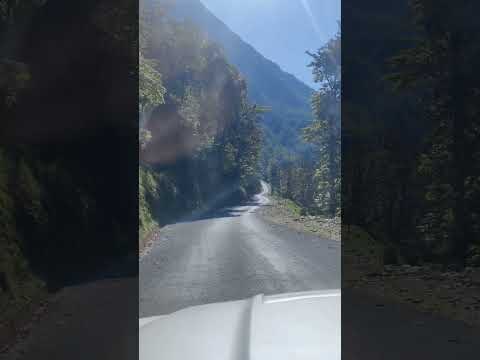
Bheri River Corridor from Kalegaun to Rimna confluence by PG Giri
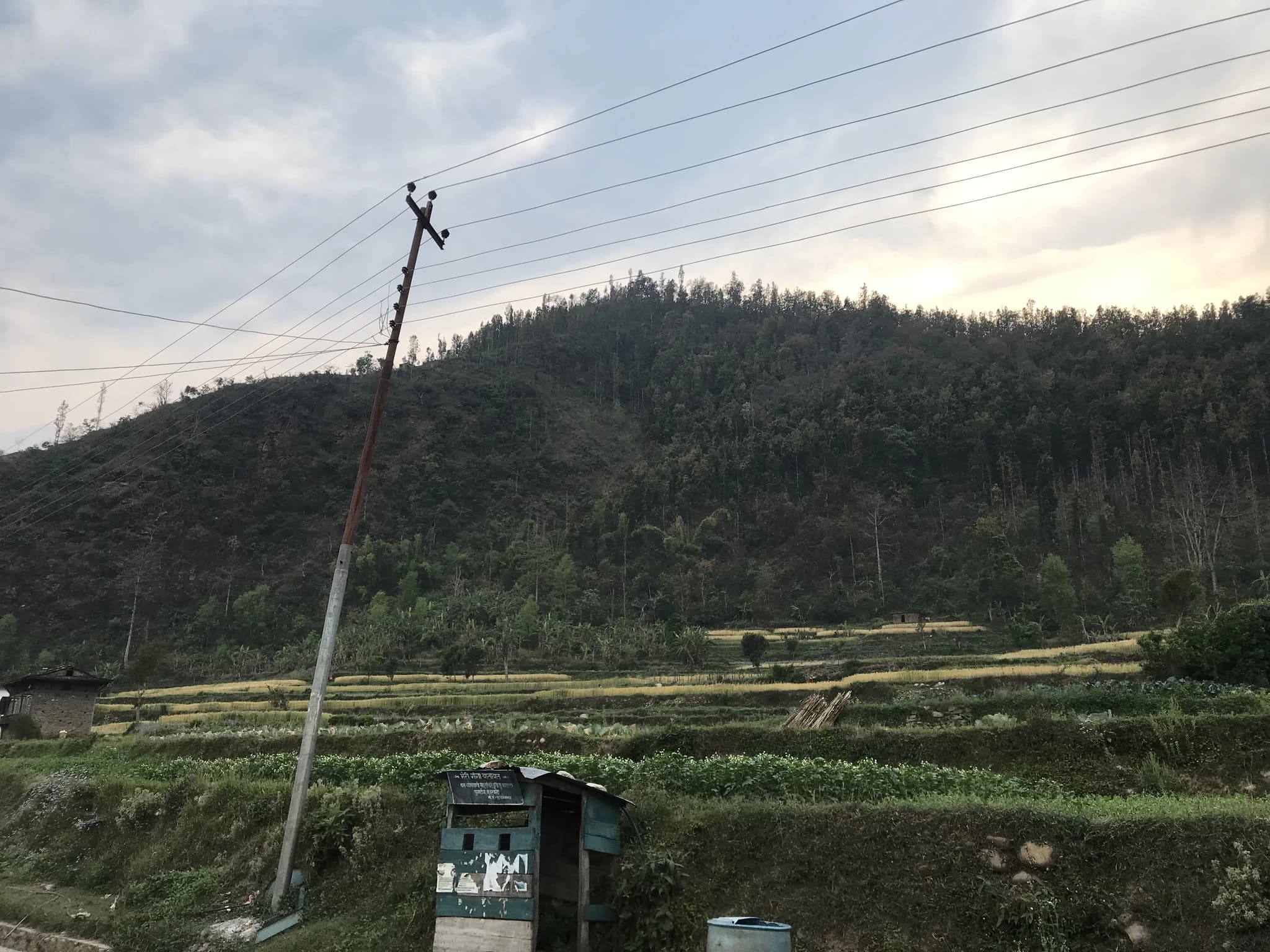
The Bheri River Corridor (भेरी नदी जलयात्रा तथा रिम्ना क्षेत्र) is a spectacular natural and adventure wonder carving through the heart of Jajarkot District. Originating in the high glaciers of the Dhaulagiri and Dolpa ranges, the Thuli Bheri and Sani Bheri rivers converge near Rimna on the border of Jajarkot and Rukum West, swelling into an exhilarating turquoise waterway that cuts deep, forested gorges through the lower Mahabharat hills. Internationally renowned among white-water enthusiasts, the Bheri offers world-class Class III and Class IV rapids interspersed with gentle cruising sections, pristine white sandy river beaches perfect for wilderness camping, and legendary sport angling for the indigenous Golden Mahseer (*Tor putitora*). The river corridor is flanked by traditional fishing settlements, dramatic cliff formations, and pedestrian suspension bridges, providing visitors with an authentic immersion into the rugged natural majesty of mid-western Nepal.
The Bheri River Corridor (भेरी नदी जलयात्रा तथा रिम्ना क्षेत्र) is a spectacular natural and adventure wonder carving through the heart of Jajarkot District. Originating in the high glaciers of the Dhaulagiri and Dolpa ranges, the Thuli Bheri and Sani Bheri rivers converge near Rimna on the border of Jajarkot and Rukum West, swelling into an exhilarating turquoise waterway that cuts deep, forested gorges through the lower Mahabharat hills. Internationally renowned among white-water enthusiasts, the Bheri offers world-class Class III and Class IV rapids interspersed with gentle cruising sections, pristine white sandy river beaches perfect for wilderness camping, and legendary sport angling for the indigenous Golden Mahseer (*Tor putitora*). The river corridor is flanked by traditional fishing settlements, dramatic cliff formations, and pedestrian suspension bridges, providing visitors with an authentic immersion into the rugged natural majesty of mid-western Nepal.
2 available
1 available
YouTube
Bheri River Corridor from Kalegaun to Rimna confluence by PG Giri
Discover More

Jajarkot Durbar (जाजरकोट दरबार), popularly known as the White Palace (Seto Durbar), stands as an imposing seven-story royal citadel perched atop a strategic, ridge-crest promontory in Khalanga, the historic district headquarters of Jajarkot. Originally established during the 14th–15th century by King Hari Shah of the historic Baise Rajya (22 Principalities), the citadel was extensively expanded into an architectural masterpiece around 1768 AD by King Indra Regmi Shah, utilizing skilled Newar artisans from Bhaktapur and Kathmandu. The fortress complex seamlessly blends traditional Khas defensive stone masonry with intricate pagoda and Newari wood-carved multi-tiered windows, decorative cornices, and fortified courtyards. Strategically positioned at an elevation of 1,225 meters, the palace commands sweeping 360-degree panoramic vistas across the entire Khalanga bazaar, the serpentine Bheri River canyon, and the mist-laden Mahabharat ridges of Western Nepal. Throughout the unification era and modern Shah dynasty, Jajarkot Durbar served as the seat of local governance and royal ceremony, standing today as the premier historic symbol of Jajarkot's sovereign heritage.

Kalegaun Shivalaya Temple (कालेगाउँ शिवालय मन्दिर) is one of the most venerated medieval Hindu pilgrimage shrines in Jajarkot District, situated in the tranquil settlement of Kalegaun within Bheri Municipality. Set upon the fertile alluvial terraces just above the sacred Bheri River, this sanctum is dedicated to Lord Shiva and has served as the spiritual sanctuary for regional pilgrims, sages, and royalty for centuries. The temple features traditional multi-tiered pagoda architecture characterized by sloping roofs, ornate wooden struts, a central gilded finial (*Gajur*), and an ancient stone Shivalinga sanctum. Surrounding the main shrine are stone courtyards, sacred bathing *dhara* spouts, and secondary shrines dedicated to Ganesh, Parvati, and Bhairav. During major festivals—most notably Maha Shivaratri, the holy month of Shrawan, and Haritalika Teej—thousands of devotees congregate at Kalegaun to perform sacred rituals, offer Bhel leaves, and bathe in the spiritual ambiance of this revered river-valley sanctuary.

Bat Cave, locally known as Chamero Gufa, is a natural limestone cave situated in Batulechaur, roughly a ten-minute walk from Mahendra Cave. Famous for harboring a dense roosting colony of thousands of horseshoe bats (Rhinolophidae), this dark cavern offers a thrilling, raw caving adventure distinct from the paved show caves of Pokhara. Visitors navigate the unpaved limestone floor using headlamps or torches. The cave ceiling is covered with clusters of resting bats that become particularly active around dusk as they emerge into the surrounding forest to feed. Ancient limestone seepages have carved out natural alcoves and glistening mineral deposits throughout the central gallery. The cave's signature highlight is its legendary exit: a narrow, vertical chimney chute in the bedrock. Visitors can crawl upward through this tight natural opening to emerge back onto the sunny forest hillside above—a popular rite of passage that local folklore claims tests one's purity of conscience.

The Bheri River Rafting Corridor (भेरी नदी जलयात्रा तथा साहसिक करिडोर), traversing the rugged southern canyons of Surkhet District across Bheriganga, Gurbhakot, and Barahatal municipalities, is celebrated internationally as one of Nepal's finest multi-day white-water river adventures and sport angling destinations. Originating high in the glaciated ridges of the Dhaulagiri and Kanjiroba massifs, the Bheri River carves through untamed subtropical valleys, towering limestone bluffs, pristine sal forests, and expansive white sand beaches before uniting with the Karnali River at Kuneghat. The Surkhet section features thrilling Class III and Class IV rapids interspersed with gentle, glassy turquoise pools ideal for beginner and experienced rafters, kayakers, and wilderness campers alike. In addition to exhilarating white-water navigation, the Bheri River is globally acclaimed as a prime habitat for the endangered Golden Mahseer (Tor putitora), attracting catch-and-release sport anglers from around the world. Multi-day river expeditions offer secluded riverside wilderness camping under starlit skies, canyon birdwatching (including endangered river lapwings and fish eagles), and an intimate look at the indigenous fishing lifestyles of the Raji and Majhi river communities.

Known as Bhote Koshi River, and also spelled Bhotekoshi River or Bhote Kosi, this powerful Himalayan river in Sindhupalchok district is one of Nepal's premier destinations for white-water adventure and breathtaking mountain scenery. Originating in the Tibet Autonomous Region of China, the river enters Nepal through the Tatopani border before rushing southward through deep gorges, steep valleys, and dramatic cliffs. Famous for its fast-flowing rapids, Bhote Koshi is internationally recognized as one of the steepest raftable rivers in the world, attracting adventure enthusiasts for thrilling activities such as white-water rafting, kayaking, canyoning, and bungee jumping. The river is surrounded by lush forests, cascading waterfalls, suspension bridges, and traditional Tamang and Sherpa villages, creating spectacular landscapes for nature lovers and photographers. The best seasons to visit are spring and autumn, when river conditions are ideal and the surrounding hills are at their most scenic. The river also plays an important role in local livelihoods through hydropower generation, agriculture, and tourism. Whether you're seeking adrenaline-pumping adventures, stunning Himalayan landscapes, or an unforgettable journey through Nepal's rugged mountain valleys, Bhote Koshi River (Bhotekoshi River/Bhote Kosi) delivers one of the country's most exhilarating outdoor experiences.

Bimalnagar Rock Climbing Crag is Nepal's premier natural outdoor sport climbing destination, situated along the base of towering limestone cliffs flanking the Prithvi Highway and Marshyangdi River in Bimalnagar, Bandipur Rural Municipality. Developed by international mountain guides and local mountaineering enthusiasts, the crag features over 30 permanently bolted single-pitch sport climbing routes ranging in difficulty from beginner 5a to expert 7c. The solid limestone rock face rises up to 55 metres high, featuring vertical slabs, technical overhangs, crimpy finger pockets, and natural tufas that challenge climbers of all skill levels. Located immediately adjacent to the trekking trailhead for Siddha Gufa (Nepal's largest cave), Bimalnagar provides an unmatched adventure hub where travelers can combine rock climbing, caving, and ridge hiking in a single day. Local climbing gear rental, certified instructors, and riverside campsites along the Marshyangdi make Bimalnagar a thriving epicenter for Nepal's growing outdoor climbing community, conveniently accessible halfway between Kathmandu and Pokhara.